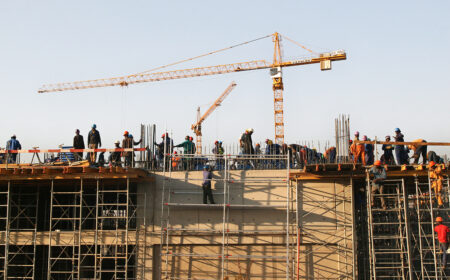



Africa is facing a housing crisis. With rapidly growing populations and urbanization, the demand for affordable, quality housing is skyrocketing. But as the continent continues to develop, we must ask: How do we build a housing market that is inclusive, sustainable, and reflects Africa’s unique identity? The solution lies in rethinking the way we approach housing—focusing on mass production, job creation, sustainable development, and ensuring that everyone has access to a decent home.
1. Mass Production for Affordable Housing
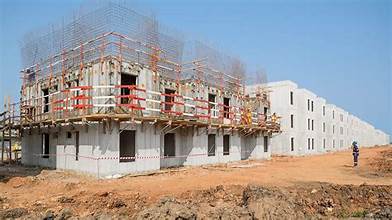
The key to solving Africa’s housing crisis lies in mass production—but not the kind of mass production that leads to cookie-cutter homes. Instead, we need to adopt modular and prefabricated construction techniques that allow for the fast, efficient, and affordable construction of homes, while also providing room for customization and quality design.
Why Modular Housing Works:
- Affordable and Scalable: Modular homes allow for faster construction at lower costs. By building components in a factory and assembling them on-site, we can reduce labor costs, construction time, and material wastage.
- Flexibility: Modular housing doesn’t have to mean small, identical homes. Designs can be customizable, offering enough flexibility to meet the needs of various family sizes and preferences.
Example in Africa:
In Kenya, the government is already experimenting with modular homes to address the affordable housing crisis. The Mavoko Housing Project uses modular, prefabricated components to create affordable homes quickly, and this model could be scaled across the continent to meet demand.
2. Job Creation and Fair Wages: Empowering the Workforce
Affordable housing isn’t just about building houses—it’s about creating jobs and providing fair wages for the workers who will build them. In Africa, where unemployment is high, investing in the construction and manufacturing sectors can provide the stable jobs that are necessary for economic growth.
Key Benefits of Job Creation in Housing:
- Stable Employment: By creating job opportunities in both construction and manufacturing (building materials, prefab components), we can provide stable, long-term work to thousands of individuals.
- Wages that Support Homeownership: Ensuring that workers in the housing sector earn living wages allows them to become homeowners themselves. This creates a cycle of prosperity, where the workers who build the homes can also buy them, stimulating demand and further economic growth.
Real-World Example:
In South Africa, efforts to raise wages in the construction industry have had a direct impact on economic stability. Workers who are paid fair wages have higher purchasing power, which drives demand for goods, services, and, importantly, housing.
3. Sustainable Housing for the Future
Building homes that are not only affordable but also environmentally sustainable is key to creating a resilient future for Africa. Ford’s philosophy of building long-term value can be applied to housing by focusing on eco-friendly building practices and energy-efficient designs.
Why Sustainability Matters:
- Energy Efficiency: Using renewable energy sources, such as solar power, can make homes more affordable by reducing energy costs over time.
- Green Building Materials: Incorporating local materials like clay, wood, and bamboo can reduce both construction costs and environmental impact. It also ensures homes are environmentally friendly and more sustainable in the long run.
- Resilience: Sustainable homes are more resilient to climate change, flooding, and extreme weather, ensuring long-term stability for families living in them.
Real-World Example:
In Kenya, sustainable building techniques, such as the use of compressed earth blocks and solar power in housing developments, have proven to be not only cost-effective but also environmentally sustainable. By incorporating these technologies, Africa can reduce its carbon footprint while providing affordable, long-term housing solutions.
4. Public-Private Partnerships: Scaling Affordable Housing
One of the most effective ways to tackle the housing crisis is through public-private partnerships (PPPs). These collaborations between the government and private developers can pool resources and share risks, making it easier to build affordable homes at scale.
How PPPs Can Help:
- Government Investment: Governments can provide land, subsidies, and tax incentives to encourage private developers to build affordable homes. This lowers the financial burden on developers and makes it easier for them to produce large quantities of housing at lower prices.
- Increased Scale: Private developers can bring in the capital and expertise needed to scale up housing production, while the government provides the necessary regulatory framework and funding.
- Affordable Financing: Governments can also facilitate affordable mortgage options and provide down payment assistance to ensure that these homes are accessible to the working class.
Real-World Example:
In Ghana, the government has partnered with private developers to tackle its housing shortage. These public-private collaborations have helped build thousands of affordable homes while stimulating economic growth and providing job opportunities in construction.
5. Building a Stronger Middle Class through Housing
The goal of building affordable housing is not just about providing shelter; it’s about creating a strong, prosperous middle class. By ensuring that workers can afford the homes they build, we can foster economic growth and social stability.
Key Benefits of Middle-Class Growth:
- Economic Prosperity: Homeownership is one of the primary ways individuals and families build wealth. By making homes affordable, governments can help people accumulate wealth and contribute to a thriving economy.
- Increased Demand: As more people join the middle class, they have more disposable income to spend on goods and services, further boosting the economy.
Real-World Example:
In Nigeria, increasing access to affordable housing is part of the government’s broader strategy to strengthen the middle class. With affordable homes, more families are able to build wealth, thus contributing to the growth of the local economy and supporting long-term social stability.
Conclusion: Creating a Housing Market for All in Africa
The need for affordable housing in Africa is urgent, and the solution lies in mass production, job creation, sustainable development, and public-private partnerships. By focusing on affordable housing projects that empower the workforce with fair wages, promote sustainable construction, and provide housing opportunities to all segments of society, we can create an economy that works for everyone.
- Mass production of housing can bring costs down and meet the growing demand.
- Job creation in construction and manufacturing will build the middle class.
- Public-private partnerships will scale affordable housing across the continent.
- Sustainable and energy-efficient homes will ensure long-term growth and resilience.
Africa has the potential to create a housing market that is both affordable and beautiful—where every citizen has access to a decent home and a chance to thrive. By embracing Ford’s principles of mass production and fair wages, and applying them to Africa’s unique needs, we can ensure a future of sustainable development and economic prosperity.
Next Steps:
- Advocate for public-private partnerships that prioritize affordable housing and job creation.
- Support sustainable building practices and green infrastructure in housing development.
- Promote inclusive growth that benefits all segments of society, from urban centers to rural communities.
Related Posts on Africa Growth Forum