



[ad_1]
Africa’s infrastructure is under growing threat as climate change accelerates. From collapsing power grids to flooded highways, the costs of inaction are rising fast — with billions of dollars in potential annual losses if resilience is not built into every new project.
Rising Losses from Global Warming
Under current warming projections, Africa’s annual infrastructure losses could increase by 27%, from $1.8 billion today to $2.4 billion in the next decade.
Extreme floods once considered “once-in-a-century” events are now expected every 10–20 years by 2050 — and by the end of the century, such disasters could strike as often as every five years.
The Global Center on Adaptation warns that these losses could slice several percentage points off Africa’s GDP each year. In the hardest-hit nations, the impact could reach double-digit declines, reversing decades of economic progress.
🔗 Explore related insight: Climate Finance and Africa’s Trillion-Dollar Transition
The Most Vulnerable Sectors
1. Energy Systems
The energy sector faces the steepest damages — roughly $844 million in annual losses, nearly half of all climate-related infrastructure costs.
Hydropower is especially vulnerable.
-
In 2022, Cyclone Anna wiped out nearly 25% of Malawi’s electricity by destroying a major hydropower station.
-
In 2019, Cyclone Idai plunged Mozambique’s Beira into darkness for five months.
Renewable generation expansion, while vital, must now include resilience planning to prevent such setbacks.
2. Telecommunications
With $418 million in estimated yearly losses, Africa’s fast-growing digital infrastructure is also at risk. Extreme weather events can disrupt mobile connectivity, halting financial transactions, remote education, and emergency coordination.
🔗 Learn more: Africa’s Digital Infrastructure Boom
3. Transport and Trade
Transport systems — roads and railways — account for $282 million in losses each year.
According to the Programme for Infrastructure Development in Africa (PIDA), about $2 billion is already being spent annually to repair climate-related damage. These costs directly undermine trade efficiency under the African Continental Free Trade Area (AfCFTA), slowing regional integration and export competitiveness.
🔗 Related reading: Africa’s Continental Free Trade Area Explained
Adaptation and Investment: The Path Forward
The threat is real, but so is the opportunity. Africa can turn climate risk into resilience by investing in:
-
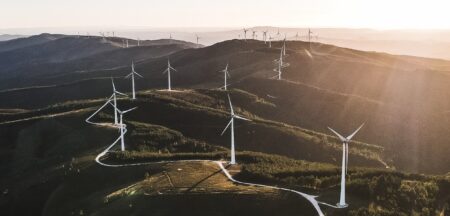
Renewable energy grids that can withstand extreme weather.
-
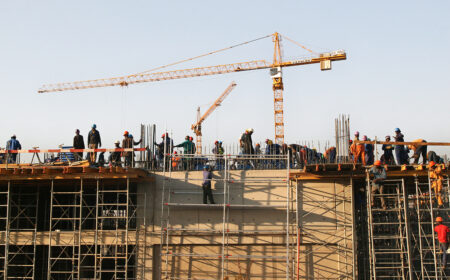
Climate-smart roads and bridges designed for future conditions.
-
Integrated planning that embeds adaptation into all new projects.
The African Union’s Agenda 2063 calls for resilient infrastructure as a cornerstone of prosperity — but achieving this vision requires billions in financing from governments, development banks, private investors, and especially the African diaspora.
Conclusion
Climate change is already reshaping Africa’s infrastructure — eroding power systems, damaging transport routes, and disrupting communications. Without urgent adaptation, these losses will multiply, dragging down GDP and widening inequality.
But with proactive investment, diaspora financing, and continental cooperation through AfCFTA and Agenda 2063, Africa can build resilience that fuels sustainable growth.
This is not just about protecting infrastructure — it’s about safeguarding the continent’s economic future.