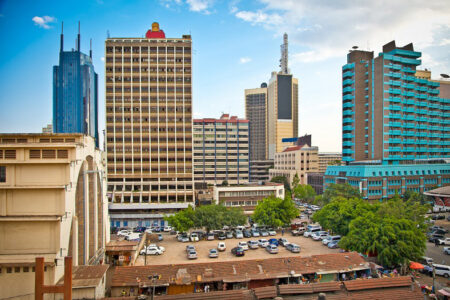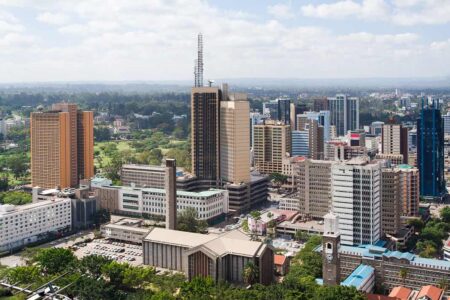



In the eastern Democratic Republic of Congo (DRC), a surprising construction surge is transforming towns like Kirumba—even amid conflict. As the armed group M23 and its political wing, AFC, consolidate control in key territories, more than 30 new building projects have reportedly broken ground within months.
This boom is attracting investor attention, but it comes with serious risks. The combination of simplified construction permits, reduced fees, and loosely regulated governance has made development easier—but also more uncertain.
A Rapidly Changing Construction Landscape
Residents under M23/AFC administration say the process of building approval has been streamlined dramatically.
-
Fees for construction permits have been cut sharply.
-
Bureaucratic hurdles—once a major deterrent—have been largely removed.
-
Developers are only asked to show proof of land ownership, with little further oversight.
Local masons describe this as “a relief.” After years of red tape and arbitrary taxation, they can finally build—though the pace and informality raise broader concerns about standards and sustainability.
For more background on investment trends in the region, see:
👉 Investment Opportunities in Africa 2025
👉 Reclaiming Africa’s Wealth: The Path to Economic Independence
Investment Opportunities Amid Instability
The current environment presents a paradox. On one hand, liberalized permitting opens doors for small and mid-scale developers to act fast.
Demand for housing, commercial centers, and infrastructure is strong, especially in areas where war displaced populations and destroyed older stock. Developers who can secure land and materials early may find exceptional margins in reconstruction and urban renewal.
However, those same advantages mask deep instability. Without recognized governance and reliable courts, developers face high exposure to legal reversals, property disputes, and regulatory uncertainty if political control changes.
Major Risks to Consider
Investors should weigh four critical risk areas:
-
Governance Uncertainty – M23/AFC’s administration is parallel, not officially recognized, and may lack institutional capacity.
-
Legitimacy and Legal Exposure – Buildings approved under the current system may face invalid permits or demolition orders if the central government reclaims control.
-
Infrastructure Gaps – Limited access to roads, power, and water could inflate construction and logistics costs.
-
Financing Barriers – Global banks and insurers are unlikely to back projects in contested zones.
In short, what appears as an open door may close quickly once sovereignty or control shifts.
For comparison, see how other African regions are balancing infrastructure growth and risk:
👉 The Strategic Importance of the Lobito Corridor
👉 Africa Finance Its Own Development
Navigating Opportunity with Caution
For investors with high risk tolerance, deep local partnerships, and flexible time horizons, the construction boom in Eastern DRC offers both first-mover advantages and potential pitfalls.
Key strategies for navigating this environment include:
-
Partnering with trusted local actors who understand the political terrain.
-
Structuring exit options in contracts to hedge against shifts in control.
-
Prioritizing transparency and compliance with recognized national and international frameworks.
If stability endures and oversight improves, early entrants could help rebuild cities once off-limits to formal investment. If conflict resurges, however, the boom could collapse as quickly as it began.
Final Outlook
The DRC’s construction surge reflects a deeper reality: development does not always follow stability—it sometimes creates the illusion of it.
Whether this becomes a foundation for genuine urban renewal or a speculative flashpoint depends on governance reforms, investor caution, and sustained security.
In the meantime, eastern DRC’s construction boom stands as one of Africa’s most complex—and risky—frontiers for real estate and infrastructure investment.