

South Africa enters 2025 with a blend of cautious optimism and renewed energy. Following years of economic headwinds—from global shocks and domestic energy constraints to currency volatility—South Africa is beginning to turn a critical corner. Reforms are taking shape, key sectors are showing signs of life, and international investor confidence is slowly rebuilding. For those looking to enter the African market, South Africa offers not only a gateway to the region, but a diversified and resilient economy that continues to evolve in line with global trends.
In this post, we break down the key macroeconomic indicators, emerging sectors, and the signals that matter most for investors considering South Africa in 2025 and beyond.
Macroeconomic Indicators at a Glance
– GDP Growth (2025): Projected at 1.9% to 2.2%, up from 0.6% in 2023
– Inflation Rate: Stabilized around 5.2%, within SARB’s target band
– Unemployment: Gradually declining, but still high at 31%
– Foreign Reserves: Steady at $55 billion
– Public Debt-to-GDP Ratio: Holding around 71%
– Rand Exchange Rate: Volatile but gaining ground in Q3 2025
Key Drivers of Growth in 2025
1. Energy Reform & Renewable Expansion
Eskom’s unbundling and the acceleration of Independent Power Producers (IPPs) are helping to stabilize electricity supply. Solar and wind projects—especially in the Northern and Western Cape—are drawing billions in investment.
“The green transition is now bankable.” – South African Renewable Energy Council
2. Infrastructure Investment
Public-private partnerships are revitalizing transportation and water infrastructure. Key projects under the Infrastructure Fund (R100 billion) are progressing, opening opportunities in construction, engineering, and smart logistics.
3. Tourism Recovery
With international arrivals rebounding and domestic travel up, the tourism sector is projected to contribute over 8% to GDP this year. Luxury lodges, adventure tourism, and medical tourism are growth niches.
4. Mining & Critical Minerals
South Africa remains a top global producer of platinum, chrome, manganese, and now plays a growing role in the battery minerals supply chain (nickel, vanadium, rare earths). ESG-compliant mining ventures are seeing increased capital flow.
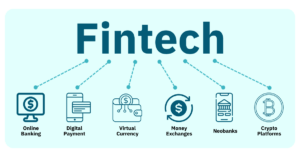
5. Tech & Fintech Innovation
Cape Town, Johannesburg, and Durban are all becoming regional tech hubs. Startups in fintech, healthtech, and agri-tech are drawing local and international VC interest.
Risks & Challenges
– Load Shedding: While reduced, intermittent blackouts still impact productivity
– Political Climate: Pre-election uncertainty remains a concern for some investors
– Regulatory Complexity: BEE compliance, land reform, and labor laws remain hurdles
– Youth Unemployment: A drag on long-term economic stability
Regional & Global Partnerships
– African Continental Free Trade Area (AfCFTA): SA is a logistics and manufacturing hub.
– BRICS Engagement: Hosting G20 in Johannesburg boosts global strategic importance.
– EU & US Trade: South Africa maintains preferential access to developed markets.
Investment Outlook: What This Means for You
Whether you’re exploring real estate, green energy, public infrastructure, or digital ventures, South Africa offers a landscape of rising returns with manageable risk—if approached strategically.
Investor Tip:
Leverage local partnerships, understand BEE dynamics, and engage with investment promotion agencies like InvestSA or IDC early.
Next in the Series:
Read the next article: Top Investment Sectors in South Africa (2025)