
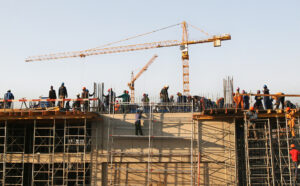



Ethiopia’s property market sits at the intersection of rapid urbanization, export-oriented industrialization, and a housing system still catching up. Addis Ababa continues to densify, secondary cities around industrial parks are expanding, and logistics corridors (to Modjo Dry Port and on to Djibouti) are seeing steady commercial demand. Yet mortgage scarcity, a leasehold land regime, and infrastructure gaps keep formal supply tight. For investors, real estate investment in Ethiopia is not a luxury-tower story; it’s an execution play in mid-income housing, rental communities tied to employment nodes, logistics/warehousing, and reliable mid-tier hospitality.
The Promise: Demand You Can Underwrite
- Urbanization & household formation. Addis and growth cities (e.g., Adama/Nazret, Hawassa, Bishoftu, Dire Dawa) keep absorbing new residents, creating durable demand for safe, serviced, reasonably priced homes.
- Industrial parks as demand anchors. Apparel, leather, agriprocessing, and assembly clusters concentrate jobs and require nearby rental housing, dorm-style accommodation, and daily services.
- Corridor commerce. The Addis–Modjo–Djibouti trade route and airport/air-cargo hub effects around Bole International drive demand for warehouses, cross-docks, and small industrial units.
- Diaspora capital & stays. The diaspora remains a consistent buyer of well-titled units and a key user of serviced apartments and branded mid-tier hotels when visiting or working on projects.
The Pain Points: Why Supply Lags
- Leasehold land & titling friction. All land is state-owned; users obtain lease rights. Assembling serviced plots and perfecting lease documentation takes time and trusted local counsel.
- Mortgage scarcity. Formal mortgages are limited and expensive; most purchases rely on savings or staged developer plans—shrinking the effective buyer pool.
- FX and input volatility. Imported finishes, equipment, and elevators face foreign-currency constraints; cost spikes can derail pro-formas without contingencies.
- Utilities & servicing gaps. Power and water reliability, sewer connections, and last-mile roads often become the developer’s problem—raising capex and timelines.
- Regulatory and macro risk. Permitting varies by city; macro shocks can slow sales velocity. Developers need conservative absorption assumptions and multiple exit options.
Business Angles: Where the Opportunity Actually Sits
1) Mid-Income & Workforce Housing (Built-to-Rent first, then sell)
Design compact, livable 1–3 bedroom units priced to salary affordability near industrial parks and transport spines. Lead with built-to-rent (institutional blocks or managed communities) to stabilize cash flow, then sell a tranche once occupancy proves out. Win with:
- standardized floor plates and local materials,
- reliable water/power (borehole + storage; solar-ready roofs),
- predictable service charges, and
- on-site convenience retail/childcare.
2) Logistics & Light-Industrial Boxes
Spec 1,000–5,000 m² warehouses with 10–12 m clear height, dock levellers, and yard depth, in clusters near Modjo Dry Port, Bole air-cargo zones, and park perimeters. Tenants include 3PLs, FMCG, pharma distributors, and e-commerce. These boxes deliver stickier leases and lower churn than commodity offices or luxury apartments.
3) Serviced Apartments & Mid-Tier Hotels
NGOs, corporates, contractors, and diaspora visitors need dependable mid-market hospitality in Addis and secondary hubs. Focus on 80–150 key hotels or 60–120 unit serviced apartments with:
- efficient keys, self-laundry, kitchenette options,
- small meetings space and café,
- diesel/solar hybrid backup and water security,
- professional brand/manager for GOP discipline.
4) Mixed-Use Near Transport Nodes
At transit junctions or park gates, modest strip retail + offices over podium parking outperforms isolated blocks. Program daily-need retail (pharmacy, mini-mart, F&B), small clinic, and shared work areas to stabilize rent rolls.
5) Affordable, Phased Plotting (Serviced Land First)
Where demand is more price-sensitive, service the land first (roads, drainage, power/water stubs), sell a portion of plots to recycle cash, then verticalize your own phases. Attach approved standard house plans and vetted contractors to lift take-up and quality.
Execution Playbook: How Professionals De-Risk
- Land/lease diligence. Verify lease duration, permitted use, encumbrances, and payment schedule; secure utility wayleaves before paying major premiums.
- Pre-let / pre-commit. For logistics and hospitality, pre-lease 30–40% (or secure franchise/management agreements) before groundbreaking to lower financing cost.
- Cost discipline via standardization. Repeatable cores, local finishes, and bulk procurement protect margins; reserve 10–15% contingencies for FX-exposed items.
- Utility redundancy. Engineer water storage, borehole options, and solar-diesel hybrid backup; reliability is a revenue feature in Ethiopia.
- Payment scaffolds. For housing, offer staged payment plans, rent-to-own pathways, or employer partnerships; treat collections tech and escrow transparency as core capabilities.
- Currency risk hygiene. Match FX where possible (some tenants with foreign inflows), hedge critical imports with forward orders, and keep capex tranches aligned with procurement windows.
Where to Build (Practical Siting Cues)
- Addis Ababa: inner-ring infill (rental apartments), Bole/air-cargo (serviced apartments, logistics), Kaliti/Akaki (light-industrial).
- Modjo corridor: warehousing and cross-docks tied to dry port flows.
- Hawassa / Adama / Dire Dawa: workforce housing and small logistics near industrial parks; mid-tier hotels for project teams.
- Tourism nodes (selective): smaller branded lodges or quality mid-tier hotels where demand and access are stable.
Build for Use, Not for Hype
Ethiopia’s fundamentals—population growth, industrial policy, and corridor trade—create real, recurring demand. The constraints—leasehold complexity, mortgages, utilities—are exactly where moats are built. In real estate investment in Ethiopia, the outperformers won’t be the flashiest towers; they’ll be the dependable rental communities, logistics boxes, and mid-tier hospitality assets that solve day-to-day frictions for workers, companies, and travelers.