
The African Growth and Opportunity Act (AGOA) officially expired in September 2025 after Congress failed to renew it. The 25-year-old trade framework once provided duty-free access for more than 6,000 African products — from textiles to agricultural goods — into the U.S. market.
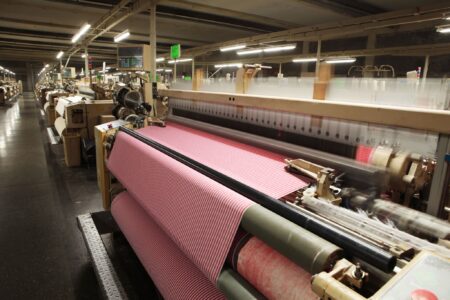
Without AGOA, exports from countries such as Kenya, Lesotho, Madagascar, and South Africa now face tariff rates of 10–20 percent, sharply eroding their competitive advantage. The fallout threatens tens of thousands of manufacturing jobs, particularly in textiles and apparel, where U.S. buyers had long dominated order books.
But the collapse of AGOA is about more than economics — it’s a geopolitical reset. As U.S. engagement recedes, China’s trade and infrastructure influence continues to surge, positioning Beijing as Africa’s most reliable long-term partner.
👉 Related reading: AfCFTA and Africa’s Digital Trade Integration
Why AGOA’s End Matters
AGOA was more than a trade deal — it was one of the few instruments through which the U.S. maintained soft-power influence on the continent. For countries like Kenya, AGOA turned industrial parks into export hubs for brands like Levi’s and Wrangler. Lesotho built an entire manufacturing ecosystem around it.
Now, with tariffs back in place, Africa’s trade competitiveness depends on new partners — and China is already filling the gap through Belt and Road investments and commodity financing deals.
👉 See also: Diaspora Investment Pathways
China Steps In — Fast
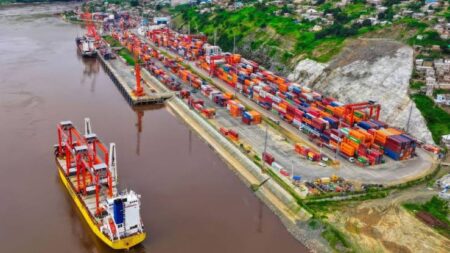
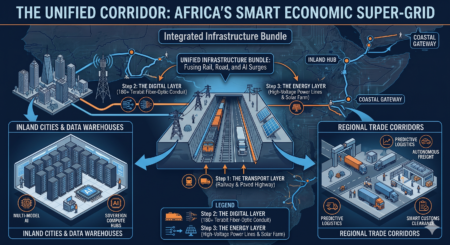
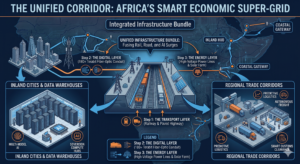
While Washington debates its next steps, Beijing is executing. Through the Belt and Road Initiative (BRI), China has financed over $155 billion in African infrastructure — railways, ports, power grids, and digital corridors — establishing trade dependencies that reach far beyond tariffs.
China’s advantages:
-
Long-term concessional loans for infrastructure.
-
Fast approvals with fewer political conditions.
-
Integrated supply chains linking African raw materials to Chinese industry.
With AGOA gone, these relationships deepen. Africa now sends four times more trade value to China than to the U.S., according to AfDB and UN Comtrade data.
👉 Explore further: China’s Belt and Road in Africa: Infrastructure and Influence
Who Wins and Who Loses
Most Exposed:
-
Kenya, Lesotho, Madagascar – reliant on U.S. textile demand.
-
Eswatini – losing garment contracts that sustained rural employment.
Most Resilient:
-
South Africa – diversified export base and strong AfCFTA integration.
-
Morocco and Egypt – growing ties with the EU and China provide balance.
-
Senegal and Ghana – improving credit outlooks and reform momentum attract new investors.
What It Means for the African Diaspora
For the African diaspora, this policy vacuum opens both risk and opportunity.
As U.S. market access declines, diaspora investors can play a role in bridging capital gaps through:
-
Diaspora bonds for export infrastructure and logistics.
-
Equity investments in manufacturing zones pivoting toward intra-African trade.
-
Digital investment platforms linking diaspora capital with African SMEs.
These vehicles align with the AfCFTA’s regional value-chain push, ensuring African goods circulate within the continent even as Western markets waver.
👉 Watch video: The African Diaspora: Driving Africa’s Global Transformation (2025 Edition)
Policy Lessons — and the Road Ahead
If Washington hopes to regain relevance, it will need to offer more than aid or security cooperation. Africa now expects investment, trade equity, and shared prosperity.
Key takeaways for policymakers and investors:
-
Diversify trade partners: No single partner should dominate Africa’s export agenda.
-
Leverage AfCFTA: Regional supply-chain integration can offset external volatility.
-
Empower diaspora capital: Encourage cross-border investment vehicles.
-
Strengthen governance: Transparent, investor-friendly environments will attract sustainable capital, not just opportunistic lending.
Africa has leverage — a youthful population, rich resources, and a unified market of 1.4 billion people. The end of AGOA could either fragment progress or accelerate the continent’s self-reliance. The direction depends on how leaders and investors respond now.