

Kenya and the East African Community (EAC) are at the center of a new trade revolution. The African diaspora is a driving force behind it — funding startups, investing in fintech, and building digital bridges that connect Africa with the world.
This story is about more than economics. It’s about reconnection. Through AfCFTA, digital trade, and regional cooperation, East Africa is turning cross-border collaboration into real opportunity — linking Nairobi to New York, Kampala to London, and Dar es Salaam to Toronto.
Africa’s Digital Acceleration
Across the continent, digital growth is happening fast. Mobile-first innovation, youth entrepreneurship, and diaspora investment are leading the charge.
According to the Google–IFC Africa Internet Economy Report, the digital economy could add $712 billion to Africa’s GDP by 2050.
This growth depends on three things: better infrastructure, digital skills, and stronger regulations. Together, they will make it easier for African businesses to trade, learn, and innovate — and for the diaspora to join in directly., learn, and innovate globally — and for diaspora professionals to participate directly.
🔗 Explore: Africa’s Digital Infrastructure Boom
Kenya’s Leadership in the EAC: A Gateway for Diaspora Investment
Kenya has become the EAC’s innovation hub — a gateway where policy, technology, and finance converge. Through platforms like M-Pesa, Chipper Cash, and Flutterwave, billions in diaspora remittances are now being reinvested into the formal economy.
These systems have evolved from payment tools into vehicles for diaspora entrepreneurship, enabling cross-border trade and small-business funding across Uganda, Tanzania, Rwanda, Burundi, and South Sudan.
🔗 Related: Kenya’s Role in Regional Trade and East African Integration
Youth, Demographics, and the Diaspora Advantage
Africa’s median age is just 19, and over 70 percent of its people are under 30. This youth advantage, combined with a global diaspora network of more than 170 million people, creates a powerful synergy: local talent meets global expertise.
The diaspora contributes more than $100 billion annually in remittances — far exceeding aid — and much of this can be directed into trade, startups, and digital infrastructure.
However, challenges remain:
- 600 million people still lack electricity
- 900 million remain offline
- 250 million children lack foundational education
Each challenge is also an opportunity for diaspora-led solutions — from investing in renewable energy and e-learning to backing infrastructure that bridges digital divides.
Five Frontiers for East Africa’s Growth
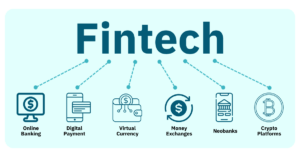
- Fintech & Mobile Money: Expanding financial inclusion through AI-driven payment systems, diaspora-linked lending, and cross-border remittance innovation.
- E-Commerce: Building digital marketplaces and logistics networks that connect East African SMEs with global consumers.
- EdTech: Empowering youth with diaspora-funded training platforms and online education.
- Digital Infrastructure: Expanding 5G, fiber, and data centers across EAC trade corridors.
- Cross-Border Scaleups: Startups expanding continent-wide through AfCFTA — many backed by diaspora mentorship and investment.
🔗 Further reading:
Fintech and Mobile Money in Africa
E-Commerce and Digital Marketplaces
EdTech Innovations Across Africa
Cross-Border Startup Case Studies
Why This Matters for the African Diaspora
For the diaspora, the EAC’s digital transformation represents a direct pathway to participate in Africa’s next economic leap:
- Investment: Diaspora investors can co-finance fintechs, data centers, and e-commerce startups.
- Mentorship: Skilled professionals abroad can help guide new African entrepreneurs.
- Cultural Exchange: Diaspora-founded ventures bring local insight to global markets, ensuring Africa’s innovation remains authentically African.
🔗 See also: The African Diaspora: Driving Africa’s Global Transformation (2025 Edition)
Conclusion: East Africa’s Trade Backbone and Diaspora Bridge
The EAC’s digital revolution — led by Kenya and powered by diaspora engagement — is turning East Africa into the continent’s most connected economic zone.
As trade, technology, and innovation converge, the African diaspora stands not on the sidelines but at the center — funding startups, advising governments, and linking Africa’s markets to the world.
This is more than a policy trend; it’s a movement — one that positions East Africa as the trade and technology bridge between Africa and the global economy.ast Africa.
Finally, Kenya’s business registration and capital markets are increasingly diaspora-friendly. The Kenya Investment Authority, Capital Markets Authority (CMA), and the Diaspora Investment Unit offer platforms for collective investment, regulatory guidance, and expansion support.