
When you hear headlines about a country’s economy “growing,” it almost always refers to GDP — Gross Domestic Product. But here’s the truth: GDP is not a measure of national well-being. It’s a limited snapshot of economic output, not a reflection of prosperity, sustainability, or fairness.
This post explores what GDP really measures, why it often misleads policymakers (especially in Africa), and how focusing on better indicators of development can create more equitable and sustainable growth.
💡 What Is GDP?
Gross Domestic Product (GDP) measures the total value of goods and services produced within a country over a specific period. It’s calculated using four components:
- Consumer Spending (C) – what households spend on goods and services.
- Business Investment (I) – spending on capital goods, machinery, and buildings.
- Government Spending (G) – public expenditures on infrastructure and services.
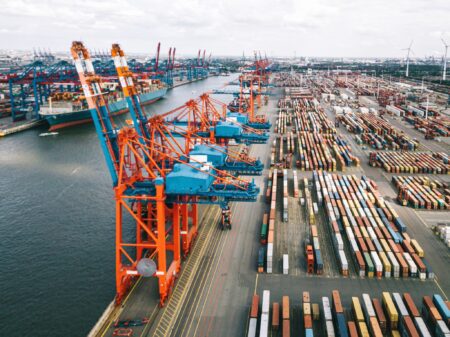
- Net Exports (X–M) – exports minus imports.
While GDP captures a nation’s economic activity, it doesn’t show who benefits or how that activity affects people’s lives. That’s where the myth begins.
📊 The Limitations of GDP
GDP’s dominance in global economics has led to decades of misleading policy focus. Below are three major reasons why GDP growth doesn’t equal true prosperity.
1. GDP Measures Quantity, Not Quality
GDP tells us how much is produced, but not whether it improves lives.
Example:
A factory that produces polluting goods boosts GDP but harms public health and the environment. Meanwhile, unpaid work — like caregiving or subsistence farming — adds no GDP value despite being essential to society.
In other words, GDP rewards activity, even if it destroys long-term value.
2. GDP Doesn’t Reflect Inequality
A country can experience high GDP growth while most citizens remain poor. GDP doesn’t reveal who gains from growth — the elite few or the broader population.
Example:
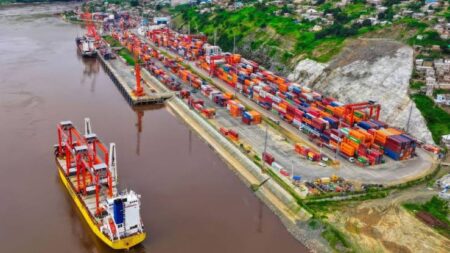
An oil-rich country may see GDP spike due to foreign investment. Yet, if profits flow abroad or remain concentrated among political elites, local communities may see no change in living standards.
This “extractive GDP” is common in African economies dominated by natural resource exports.
3. GDP Ignores Environmental and Social Costs
GDP treats all spending as positive — even rebuilding after a natural disaster. It ignores the depletion of natural resources and the loss of social capital.
Example:
Deforestation raises GDP through timber exports but erodes ecosystems, reduces agricultural productivity, and worsens climate vulnerability. GDP never deducts these losses.
💸 GDP Is Not Wealth
GDP is a flow, not a stock.
It measures economic activity over time — not accumulated wealth or who owns it.
A nation may have high GDP but low wealth per capita if its assets are foreign-owned or its profits repatriated abroad.
Example:
In many African nations, foreign companies extract resources that inflate GDP figures. Yet, since profits leave the country, local communities remain poor, and infrastructure development lags behind.
GDP ≠ national prosperity. It’s possible to have “growth” without improvement in living standards.
🌍 Rethinking GDP: Toward a Holistic View of Prosperity
To understand real progress, we need broader indicators that reflect human and environmental well-being — not just output.
Alternative Measures Include:
- Human Development Index (HDI): Combines life expectancy, education, and income to measure well-being.
- Gini Coefficient: Tracks inequality by showing how evenly income is distributed.
- Environmental Sustainability Index: Evaluates how sustainable economic activity is over time.
- Quality of Life Metrics: Measure healthcare, housing, education, and access to opportunity.
🧭 Policy Relevance for Africa
For Africa, redefining growth beyond GDP is essential for inclusive development. Governments and policymakers can:
- Focus on quality employment and fair wages rather than extractive output.
- Prioritize healthcare and education as key development indicators.
- Invest in renewable energy and sustainable industries that protect natural wealth.
- Encourage local value addition instead of exporting raw resources.
By measuring what truly matters, African nations can escape extractive economic cycles and achieve people-centered growth.
🧠 Final Insight: Beyond the Myth of GDP
GDP may measure movement, but not meaning.
It can rise even as inequality widens, the environment collapses, and citizens struggle to meet basic needs.
For real prosperity — in Africa and beyond — we must look beyond GDP and embrace human-centered, sustainable measures of success.
The goal isn’t just growth — it’s better lives.
🔗 Explore More On This Topic
Why Cutting Government Spending Can Collapse the Economy
What Really Grows the Economy?
The Real Economy vs. the Elite Economy: Who Really Benefits?
The Role of Debt in GDP: How Debt Can Inflate GDP Without Growing the Economy