




When governments face budget deficits or economic crises, one of the first solutions often proposed is cutting government spending. While this might seem like a responsible way to balance budgets and reduce debt, history shows it can backfire — shrinking the economy, raising unemployment, and deepening financial instability.
This article explores why cutting government spending can, in fact, collapse the economy if applied during the wrong phase of the business cycle — and how smarter, strategic investment can prevent long-term damage.
📉 The Feedback Loop of Cutting Government Spending
Government spending drives a large share of total economic activity, especially during recessions. When governments spend, they inject capital into the economy through:
- Public sector wages
- Infrastructure and development projects
- Social services, education, and benefits
When these are cut, a feedback loop of contraction begins.
1. Cutting Government Spending → Unemployment
Public sector layoffs and wage freezes reduce disposable income. With fewer people spending, consumer demand declines — and private businesses suffer as sales fall.
2. Unemployment → Lower GDP
Less demand means lower production and investment. Factories close, small businesses stall, and total GDP — the measure of national output — falls further.
3. Lower GDP → More Spending Cuts
With GDP down, governments collect less in taxes. This reduced revenue often leads to more cuts, worsening unemployment and deepening the crisis.
This cycle can spiral into a self-reinforcing economic collapse if not interrupted by new investment or stimulus.
💡 Why Cutting Government Spending Can Lead to Economic Collapse
When spending cuts remove too much liquidity from the economy, a vicious cycle begins:
- Rising unemployment → Lower consumer spending
- Lower spending → Falling business revenues
- Falling revenues → More layoffs and bankruptcies
Without renewed public spending, growth can stall for years. In extreme cases, such as Greece or Argentina, austerity led to double-digit unemployment, collapsing public services, and widespread social unrest.
🧠 The Case for Counter-Cyclical Spending
During downturns, governments must act as spenders of last resort to offset private sector weakness. This approach — known as counter-cyclical policy — means spending more when the economy slows and saving more when it grows.
Strategic public investment can:
- Build infrastructure that stimulates job creation and future productivity.
- Support social safety nets that stabilize household consumption.
- Encourage private investment through tax incentives and procurement programs.
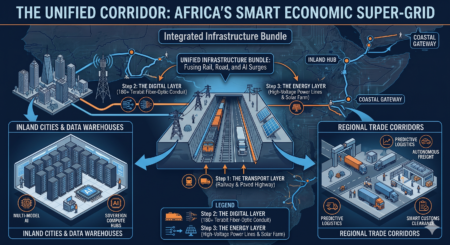
In Africa, this could mean expanding renewable energy grids, transport corridors, and digital infrastructure that lay the foundation for long-term growth — and attract diaspora investors seeking impactful projects.
🌍 Real-World Examples of Austerity’s Risks
Greece (2010s Financial Crisis)
Severe spending cuts led to massive unemployment, declining GDP, and years of stagnation. Austerity deepened the crisis instead of resolving it.
United Kingdom (Post-2008)
Austerity reduced public services and slowed recovery. Inequality rose, and productivity growth stagnated for over a decade.
Argentina (1998–2002)
Budget cuts and rigid fiscal targets triggered a depression, pushing unemployment above 20% and culminating in a historic debt default.
Each example shows that cutting government spending too much, too fast, during downturns undermines recovery.
⚖️ Balancing the Books Without Killing Growth
While controlling debt is vital, the path to fiscal health runs through growth, not cuts. Productive investment can raise tax revenues and reduce debt ratios naturally over time.
Governments should focus on:
- Expanding infrastructure that improves productivity.
- Strengthening education and digital skills for workforce resilience.
- Incentivizing diaspora capital and local entrepreneurship.
The key is balance — maintaining discipline while funding the sectors that generate long-term returns.
🧭 Final Insight: Growth, Not Austerity, Drives Prosperity
Cutting government spending during economic downturns might appear fiscally prudent, but it risks triggering a vicious cycle of job losses, falling demand, and declining GDP.
The wiser path is strategic, counter-cyclical investment that keeps economies growing, supports communities, and builds the infrastructure for future prosperity.
In short: you can’t cut your way to growth — you must invest your way there.
🔗 Explore More On This Topic
The Real Economy vs. the Elite Economy: Who Really Benefits?
What Really Grows the Economy?