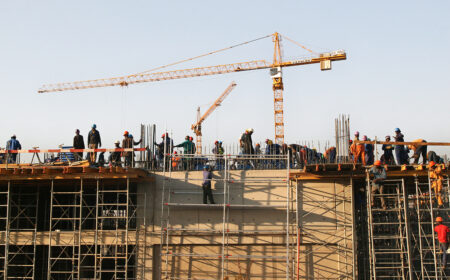
The Durban port expansion in South Africa has become a symbol of Africa’s infrastructure boom — and of its challenges. Handling nearly 60% of South Africa’s container traffic, Durban is the gateway to southern Africa’s trade. Yet years of congestion and inefficiency highlight why Africa’s infrastructure gap, estimated at $170 billion annually, remains one of the continent’s biggest obstacles to growth.
This case study shows how multilateral development banks (MDBs), private capital, and state enterprises collaborate — and why Durban is a test case for infrastructure development under the African Continental Free Trade Area (AfCFTA).
Durban’s Strategic Importance
- Handles over 80 million tons of cargo annually.
- Serves as the main export route for minerals, vehicles, and manufactured goods.
- Congestion and shipping delays cost South Africa billions in lost trade competitiveness (World Bank).
Without urgent upgrades, South Africa risked undermining its position as a regional trade hub.
The Expansion Project
The Durban Port expansion includes:
- New container terminals to double throughput capacity.
- Dredging and quay deepening to accommodate mega-vessels.
- Modern cranes and digital logistics systems to reduce turnaround time.
- Road and rail upgrades connecting the port to Johannesburg and neighboring countries.
Estimated cost: several billion USD, financed in phases through public, private, and development finance.
Who’s Financing Durban’s Expansion?
State Enterprises
- Transnet, South Africa’s state-owned logistics firm, leads the project with baseline equity and operational control.
- State ownership ensures national priorities, but governance and procurement issues create risks.
Multilateral Development Banks (MDBs)
- The African Development Bank (AfDB) and World Bank Group (World Bank) provide anchor lending and technical assistance.
- MDB involvement signals credibility, improves safeguards, and attracts private co-financing.
Private Capital
- International port operators and sovereign wealth funds have been approached for concessions and equity stakes.
- Their role is to inject efficiency and scale, though success depends on strong public-private partnership (PPP) frameworks.
Challenges Along the Way
- Delays: Procurement bottlenecks and governance concerns.
- Cost Escalation: Inflation and shipping shocks have increased capital requirements.
- Complex Collaboration: Aligning state, MDB safeguards, and private investor expectations is slow and politically sensitive.
These hurdles illustrate why Africa’s $170B infrastructure gap is not just about funding — but about execution and coordination.
Why Durban Matters for Africa’s Infrastructure Boom
Durban’s port expansion highlights a broader truth: Africa’s infrastructure boom requires blended financing models.
- For MDBs: Durban shows how concessional lending and technical expertise can de-risk private investment.
- For private investors: It demonstrates opportunity in Africa’s logistics sector — but only with reliable PPP structures.
- For trade under AfCFTA: Durban is a test case for how ports and logistics will determine whether Africa’s continental free trade ambitions succeed.
👉 Related: Africa’s Infrastructure Gap in 2025: Why $170B a Year Still Isn’t Enough
👉 Related: How Africa’s Digital Revolution is Transforming the Economy
Conclusion
The Durban port expansion illustrates the promise and complexity of Africa’s infrastructure boom. With state enterprises like Transnet, MDBs such as the AfDB and World Bank, and private investors all at the table, the project shows how global finance can support Africa’s growth.
But Durban also reveals the limits of current approaches. Even as billions flow, inefficiencies, delays, and governance challenges remain. The lesson is clear: Africa’s infrastructure gap will only close with smarter PPPs, stronger MDB leadership, and more private capital.
Durban’s success could set the precedent for ports, rail, and roads across the continent — turning bottlenecks into gateways of trade.