



[ad_1]
Tokyo, Japan — Japan has announced a $5.5 billion loan package for Africa, positioning itself as a reliable partner at a time when traditional donors such as the United States and the United Kingdom are scaling back foreign aid.
The commitment was unveiled at Japan’s flagship Africa development conference, attended by more than two dozen African presidents and heads of state. The announcement underscores Tokyo’s growing interest in building long-term partnerships with African nations through infrastructure, trade, and investment.
🌍 Bilateral Engagements With African Leaders
During the forum, Japanese Prime Minister Shigeru Ishiba held bilateral talks with the presidents of Angola, Ghana, Kenya, and South Africa. The discussions focused on infrastructure upgrades, energy security, and industrial growth — priorities that align with Africa’s development agenda.
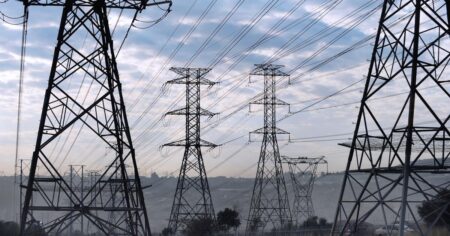
This follows similar calls by African leaders, including Ghana’s Energy Minister urging global investors to accelerate funding for the continent’s power infrastructure, as energy shortages remain a key bottleneck for growth.
🚢 Strengthening Connectivity Through the Indian Ocean
As part of a wider geopolitical strategy, Ishiba announced plans to establish a new economic zone linking Africa with the Indian Ocean.
One of the flagship projects under this initiative is the expansion of Kenya’s Port of Mombasa, which saw cargo volumes rise 8% in the first half of this year following recent upgrades. Japan will provide grant financing to further modernize the port — a development that reinforces East Africa’s role as a gateway for continental trade under the African Continental Free Trade Area (AfCFTA).
🚗 Sectoral Investment: Automotive & Energy in Kenya
Beyond infrastructure, Japan is channeling resources into Kenya’s manufacturing and energy sectors. Nairobi is set to receive a ¥169 million ($169 million) yen-denominated loan, supported by Nippon Export and Investment Insurance (NEXI).
The loan aims to:
-
Boost Kenya’s automotive industry, helping the country emerge as a regional hub for vehicle assembly.
-
Expand investments in renewable and conventional energy, addressing Africa’s infrastructure and power gaps.
This targeted financing mirrors global trends in climate finance and Africa’s trillion-dollar transition, where blended capital is increasingly being used to derisk projects.
📈 Strategic Timing: Global Aid Cuts
Japan’s new pledge comes as the US and UK scale back foreign aid budgets, forcing African nations to diversify their development partnerships. By stepping forward with significant financing, Tokyo is positioning itself not just as a donor, but as a strategic partner in Africa’s long-term growth.
For African governments, this means broader access to capital for infrastructure, energy, and trade — but also greater responsibility to ensure transparent policies and regulatory stability that attract private sector follow-through.
✅ Conclusion: Opportunity Amid Realignment
Japan’s $5.5 billion loan package signals more than aid — it reflects a realignment of global partnerships around Africa’s development future. By combining infrastructure grants, trade facilitation, and sector-specific loans, Japan is embedding itself in Africa’s economic rise.
For Africa, the challenge will be to leverage this commitment effectively — ensuring that investments like the Port of Mombasa expansion and Kenya’s energy projects translate into jobs, industrialization, and inclusive growth.
[ad_2]