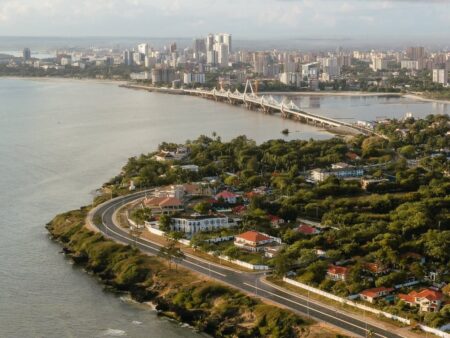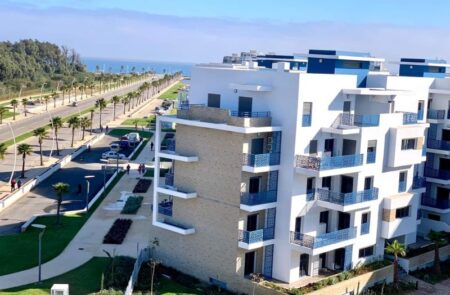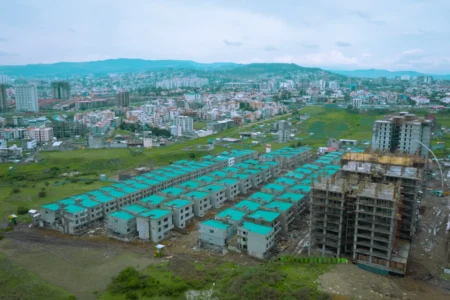

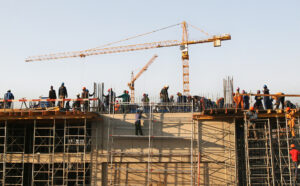



Egypt’s real estate sector has become one of the country’s fastest-growing industries, contributing nearly 20% of GDP and attracting billions in both domestic and foreign investment. From Cairo’s expanding suburbs to luxury resorts along the Red Sea, property remains a safe haven for Egyptians facing inflation and currency devaluation. Massive state-led projects like the New Administrative Capital (NAC) are reshaping the market, while diaspora buyers and Gulf investors drive demand for premium developments. Yet structural challenges — affordability gaps, financing limits, and regulatory complexity — continue to shape outcomes. For investors, the real opportunity in real estate investment in Egypt lies in balancing large-scale government projects with private-sector niches in housing, commercial, and tourism-driven real estate.
The Promise: Scale, Urban Growth, and Tourism Pull
- Urban Expansion: Cairo’s population exceeds 20 million and continues to grow. The NAC and other satellite cities aim to absorb urban sprawl.
- Housing Deficit: Demand for middle-income housing remains strong, especially in Cairo, Giza, and Alexandria.
- Diaspora & Gulf Investors: Egyptian diaspora and Gulf buyers view property as a hedge against inflation and currency risk.
- Tourism & Lifestyle Demand: Coastal cities like Hurghada, Sharm El-Sheikh, and El Gouna attract both foreign buyers and short-term rental investors.
- Government Backing: The state continues to prioritize real estate as a driver of economic growth, launching large projects with incentives for developers.
The Pain Points: Why Growth Faces Frictions
- Affordability Crisis
While luxury and premium segments boom, most Egyptians cannot afford formal housing. Prices far outpace average incomes. - Financing Gaps
Mortgage penetration is less than 1% of GDP, with high interest rates and limited long-term lending products. - Regulatory Complexity
Title registration is often slow and bureaucratic, creating uncertainty for buyers and developers. - Oversupply in Luxury Segments
Cairo and coastal resorts risk oversupply of luxury units, while affordable housing remains scarce. - Currency & Inflation Risk
Devaluations erode returns for domestic buyers but attract foreign and diaspora investors who hold USD or Gulf currencies.
The Business Angles: Where Opportunities Lie
1. Affordable & Middle-Income Housing
The largest demand pool is for units priced for Egypt’s working and middle classes. Developers who innovate with prefabricated construction, micro-mortgages, or rent-to-own schemes can capture this segment.
2. New Administrative Capital & Satellite Cities
Opportunities exist for commercial real estate, retail centers, and mid-income housing to serve the NAC and other satellite cities around Cairo. The state will continue to pour resources here, creating infrastructure-led growth.
3. Coastal & Tourism-Driven Real Estate
Red Sea destinations like Hurghada, Sharm El-Sheikh, and El Gouna offer strong demand for resorts, holiday homes, and Airbnb-style rentals. Niche plays in eco-tourism properties are emerging.
4. Diaspora & Gulf Buyer Platforms
Digital platforms that provide escrow, verified title, and financing options for diaspora and Gulf buyers can capture billions in remittance-backed property demand.
5. Commercial & Logistics Developments
Industrial parks, logistics hubs, and warehousing near Cairo, Alexandria, and the Suez Canal are increasingly in demand as Egypt strengthens its trade role under AfCFTA and its Suez Canal Zone strategy.
The Investor Lens: Structuring for Success
- De-Risk Legal Issues: Work with local partners and legal experts to ensure clean title and compliance with registration requirements.
- Hedge Currency Exposure: Price in USD where legal, and target Gulf and diaspora buyers to mitigate inflation risks.
- Target Underserved Segments: Focus on middle-income housing and logistics real estate rather than saturated luxury developments.
- Leverage State Infrastructure: Anchor developments near NAC, Suez Canal logistics projects, or other government-backed zones to ride policy momentum.
- Bundle Finance Solutions: Partner with banks, cooperatives, or fintech startups to extend micro-mortgage and payment plans to buyers.
Conclusion: Building Beyond Cairo’s Skyline
Egypt’s real estate is not just about skyscrapers in Cairo or luxury villas on the Red Sea. The sector’s resilience comes from deep domestic demand, diaspora inflows, and government commitment to infrastructure-led growth. The pain points — affordability gaps, mortgage scarcity, and regulatory hurdles — also define the opportunity.
For investors, the most attractive real estate investment opportunities in Egypt lie in affordable housing, diaspora-focused platforms, logistics developments, and carefully selected coastal projects. Those who align with state priorities while solving financing and affordability frictions will be best positioned to capture long-term growth in one of Africa’s largest property markets.