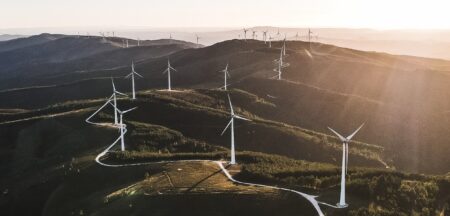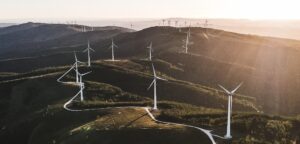



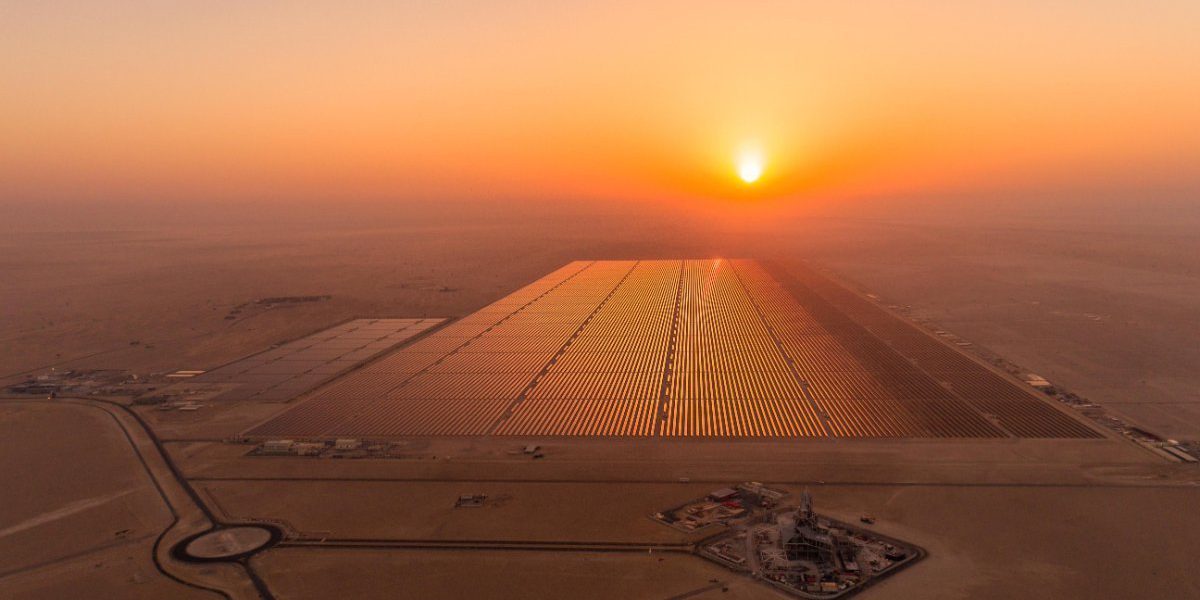
Egypt has positioned itself as one of Africa’s renewable energy frontrunners. From the 1.8 GW Benban Solar Park in Aswan to large-scale wind farms in the Gulf of Suez, the country is making bold strides toward energy diversification. Renewables (mainly hydro, solar, and wind) already account for over 20% of Egypt’s power mix, and the government has set a target of 42% renewable energy by 2035. With strong donor backing, Gulf investment, and favorable geography, the opportunity for investors in renewable energy in Egypt lies in scaling solar, wind, hybrid gas-renewable systems, and new frontiers like green hydrogen.
The Promise: Scale, Geography, and Policy
- World-Class Solar & Wind Resources: Aswan and Western Desert receive some of the highest solar irradiation globally, while the Gulf of Suez offers steady high wind speeds.
- Flagship Projects: The Benban Solar Park is one of the world’s largest, signaling Egypt’s ability to execute at scale. Wind farms near Zafarana and Gabal El-Zeit anchor capacity.
- Government Targets: 42% renewables by 2035, backed by the Integrated Sustainable Energy Strategy.
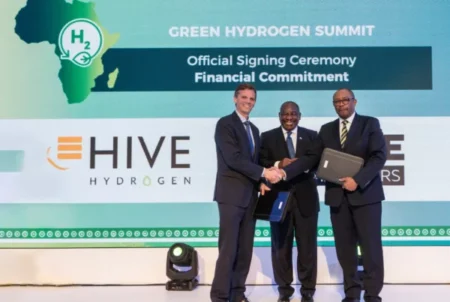
- Green Hydrogen Ambitions: Egypt signed multiple agreements for green hydrogen and ammonia projects in the Suez Canal Economic Zone.
- Strategic Export Hub: Egypt aims to supply renewable energy to both the EU and Africa via interconnectors, leveraging its geographic location.
The Pain Points: What Holds Back Scale
- Grid Transmission Bottlenecks
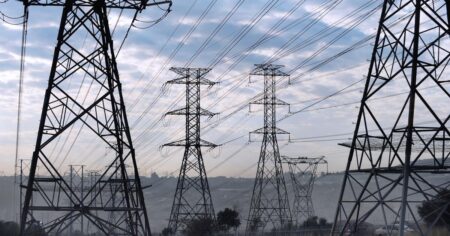
Despite capacity growth, grid infrastructure lags. Transmission lines from Upper Egypt to demand centers remain a challenge. - Financing Constraints
Donor and Gulf funding dominate; local banks have limited appetite for long-term project finance. - Policy & Regulatory Risk
While targets are ambitious, shifting tariff policies and bureaucratic processes add uncertainty. - Natural Gas Dominance
Egypt is a major gas producer, and cheap gas supply sometimes reduces urgency for renewables integration. - Land Use & Permitting
Securing land for solar/wind projects can be complex, especially in desert zones near military-controlled areas.
The Business Angles: Where Opportunities Lie
1. Utility-Scale Solar & Wind
Benban is a blueprint. Similar large-scale solar and wind parks remain viable in Upper Egypt, Western Desert, and Gulf of Suez. Developers with financing and EPC expertise can scale quickly.
2. Industrial & Commercial PPAs
Factories, logistics hubs, and hotels face rising tariffs. Private PPAs for solar rooftops, hybrid systems, and captive wind farms are underdeveloped but increasingly attractive.
3. Hybrid Gas + Renewable Systems
Egypt’s abundant gas and rising renewables allow hybrid models that stabilize supply while reducing emissions. This transitional play is bankable and government-supported.
4. Green Hydrogen & Ammonia
With access to cheap renewables and shipping lanes, Egypt is targeting green hydrogen exports to Europe. Early investors can capture value in electrolysis plants, ammonia terminals, and port-based infrastructure.
5. Grid Infrastructure & Storage
Battery storage, grid modernization, and interconnectors (to Libya, Sudan, and potentially Europe) are critical gaps and long-term investment opportunities.
The Investor Lens: Structuring for Success
- Partner with Gulf & Multilaterals: Projects de-risked by sovereign or donor guarantees attract lower financing costs.
- Anchor with Industrial Offtakers: C&I PPAs with reliable clients reduce reliance on state utilities.
- Bundle Gas & Renewables: Hybrid projects balance risk and are easier to finance than pure renewables.
- Focus on Export Markets: Positioning in hydrogen and interconnectors taps demand from Europe and Africa.
- Engage Early in SEZs: Suez Canal Economic Zone offers tax breaks and infrastructure advantages for renewable ventures.
From Solar Leader to Green Energy Exporter
Egypt’s renewable energy sector has moved from pilot projects to world-scale execution. The promise — abundant solar and wind resources, green hydrogen potential, and strategic location — is undeniable. The pain points — transmission, financing, and regulatory friction — remain, but they create entry points for well-structured investors.
The most compelling renewable energy opportunities in Egypt are in utility-scale solar/wind, C&I PPAs, hybrid systems, hydrogen exports, and grid modernization. For investors, Egypt is not just a national energy play — it is an emerging continental and global clean energy hub.