
Africa’s energy landscape has entered a defining moment. During African Energy Week (AEW) 2025, held from September 29 to October 3 in Cape Town, the African Energy Chamber (AEC) officially launched its State of African Energy 2026 Outlook in partnership with S&P Global Commodity Insights.
Now available for download, the Outlook provides a comprehensive analysis of Africa’s oil, gas, and renewable sectors, offering investors, policymakers, and developers an authoritative roadmap for navigating Africa’s fast-changing energy future.
⚡ A Deep Dive Into Africa’s Energy Value Chain
The State of African Energy 2026 report delivers the most complete overview to date of Africa’s energy ecosystem—from upstream oil and gas production to renewable power and infrastructure. It covers:
-
Upstream exploration in new and frontier basins
-
Midstream logistics, including pipelines, LNG terminals, and storage
-
Downstream refining and fuel distribution
-
Renewable energy and power generation, where demand is expected to triple by 2050
-
Transition strategies, integrating gas, hydrogen, and clean power sources
The AEC projects Africa’s oil and gas output to reach 11.4 million barrels per day by 2026, with growth led by Nigeria, Angola, Mozambique, and frontier exploration zones like Namibia.
For investors, this means a continent in motion—diversifying from fossil-fuel dependence toward an integrated energy mix that balances security, sustainability, and profitability.
💡 Key Investment Opportunities
The Outlook identifies multiple entry points for capital across the energy spectrum:
-
Upstream exploration — new acreage in frontier regions with favorable fiscal regimes.
-
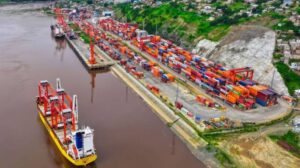
Midstream infrastructure — pipelines, LNG export terminals, and storage hubs to support regional trade.
-
Downstream and refining — modernization of refineries and product-distribution networks.
-
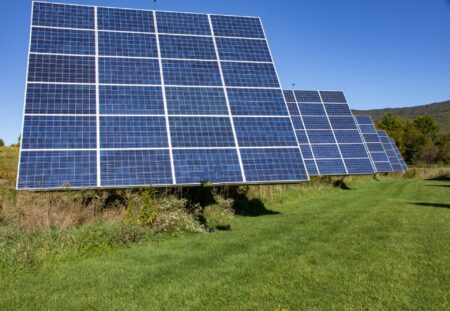
Renewables and power generation — large-scale solar, wind, and mini-grid projects expanding across Ghana, Kenya, and South Africa.
For investors seeking balanced exposure, the report outlines a clear shift toward mixed portfolios that integrate hydrocarbons with renewables, emphasizing risk-adjusted returns.
🌍 Gas as Africa’s Bridge Fuel
Natural gas plays a pivotal role in the continent’s energy transition. As demand for cleaner fuels rises globally, African producers are positioning gas as a bridge between fossil energy and renewables.
Opportunities are expanding in:
-
LNG export infrastructure in Mozambique, Tanzania, and Senegal.
-
Gas-to-power projects serving industrial and urban zones.
-
Domestic pipeline networks connecting producers to local markets.
This “gas-first” approach aligns with global decarbonization trends while addressing Africa’s urgent need for reliable, affordable power.
⚙️ Risks and Realities for Investors
Despite its promise, Africa’s energy sector presents notable risks:
-
Policy and regulatory volatility can delay project approvals.
-
Infrastructure constraints—from grid access to port logistics—raise development costs.
-
Community and environmental sensitivities require proactive stakeholder engagement.
Successful investors are adopting public-private partnerships (PPPs), blended finance models, and local equity participation to manage these challenges while maximizing long-term value.
📈 Strategic Signals from AEW 2025
By unveiling the Outlook at African Energy Week 2025, the AEC ensured the findings reached Africa’s most influential audience—energy ministers, financiers, and multinational CEOs.
The 2026 Outlook is already being cited in deal discussions and policy sessions, underscoring its impact as both an investment compass and a continental statement of intent. Africa is no longer content to be a passive resource supplier—it is shaping the global energy transition on its own terms.