

Kenya’s energy mix is celebrated internationally — over 90% of grid power already comes from renewable sources, primarily geothermal, hydro, and wind. On paper, this makes Kenya a continental leader, outpacing countries many times its size. Yet if the story stopped at capacity, investors would be misled. Beneath the clean grid headline are two unresolved challenges: unreliable transmission infrastructure, and a large segment of the population still living without affordable access. For investors, renewable energy in Kenya is not just about new generation projects; it is about building business models around the frictions in distribution, affordability, and productive use.
Generation Is Strong, Distribution Is Weak
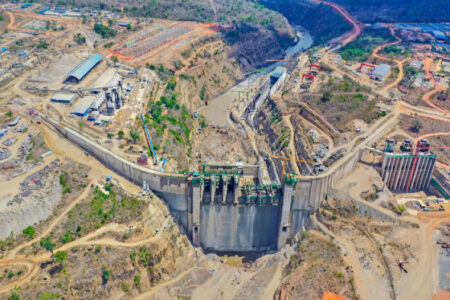
Kenya has over 800 MW of installed geothermal, making it one of the top ten geothermal producers globally. Hydropower dams on the Tana River and Lake Turkana’s 310 MW wind farm cement the country’s reputation for clean generation. But electricity is only as valuable as it is reliable. Transmission losses remain high, outages are frequent even in Nairobi, and grid expansion lags far behind demand. In rural areas, connection fees remain prohibitive, and the utility (Kenya Power) struggles with revenue collection.
The paradox is stark: Kenya exports renewable electricity to neighboring countries while millions of Kenyans rely on kerosene, charcoal, or diesel generators. This misalignment is where the real business opportunities sit.
The Pain Points No Investor Should Ignore
- Transmission and Reliability
Even as capacity expands, outdated lines and substations cause frequent blackouts. Businesses routinely invest in backup diesel or solar hybrid systems. For commercial clients, the issue is not generation but power quality. - Affordability and Access
Connection costs range from $300–$500 for households — unaffordable in a country where many earn under $5 a day. Prepaid meters help, but rural electrification targets consistently lag behind. - Utility Finances
Kenya Power, the main off-taker, is heavily indebted. This creates tariff uncertainty, delayed payments to IPPs, and political pressure around pricing. Investors cannot rely on the utility alone for stable returns. - Policy Volatility
While Kenya has strong renewable energy commitments, feed-in tariffs and PPA negotiations have been slowed or suspended at times. Smaller developers often find themselves caught in regulatory limbo.
Where the Business Angles Truly Lie
1. Off-Grid Solar and Mini-Grids
Kenya has been a pioneer in pay-as-you-go solar models, with firms like M-KOPA proving the case for consumer financing tied to energy. The next wave goes beyond lanterns: bundled appliances (TVs, irrigation pumps, refrigeration) increase revenue per customer and build stickier relationships. Mini-grids backed by donor guarantees are expanding in northern Kenya, often designed to power entire villages.
Investor play: Back platforms that integrate financing, distribution, and productive-use appliances. Returns come not just from energy sales but from the broader rural economy enabled.
2. Industrial and Commercial PPAs
Factories, malls, and large institutions face high tariffs and unreliable supply. Developers offering captive solar systems under long-term power purchase agreements are filling this gap. A well-structured PPA with a blue-chip client hedges against Kenya Power’s payment risk and currency volatility.
Investor play: Focus on commercial and industrial solar developers with dollar-indexed PPAs. This segment grows faster than grid-scale projects and avoids the off-taker risk bottleneck.
3. Storage and Grid Modernization
As solar and wind scale, intermittency becomes a problem. Kenya needs significant investment in battery storage and smart grid systems. Multilateral lenders are beginning to back these projects, but private equity and infrastructure funds have room to move in early.
Investor play: Co-invest with donor-backed programs in storage pilots, targeting long-term concession models with predictable cash flows.
4. Green Hydrogen and Export-Oriented Projects
Kenya is positioning itself as a future hub for green hydrogen, leveraging abundant renewables and proximity to shipping routes. While this is still early-stage, pilot projects are in motion. For large-scale investors, this represents a first-mover advantage similar to Morocco’s Ouarzazate moment in solar.
Investor play: Treat hydrogen as a long-horizon bet. Anchor smaller-scale pilots today, secure land and water rights, and position for export corridors when global demand spikes.
5. Transmission and Distribution Infrastructure
Perhaps the least glamorous but most stable opportunity is in grid infrastructure. Transmission upgrades, substation investments, and rural electrification PPPs generate predictable, concession-style returns. The Kenyan government increasingly relies on private capital for this backbone investment.
Investor play: Partner with multilateral finance institutions (AfDB, IFC) to co-finance transmission lines or distribution concessions, where political risk is partially mitigated.
The Investor Lens: Structuring for Reality, Not Headlines
Investors who succeed in Kenya’s renewable sector do three things well:
- Diversify Revenue Sources — They don’t rely solely on Kenya Power; they mix PPAs, direct-to-consumer solar, and industrial clients.
- De-Risk Currency and Policy — They price contracts in hard currency or peg escalators to inflation, and they secure donor-backed guarantees.
- Integrate Productive Uses — Especially off-grid, they link energy access to income-generating tools like irrigation pumps, refrigeration, and agro-processing equipment.
The real returns are not in megawatts installed but in business models that monetize the gap between capacity and access.
Kenya’s Real Energy Story
Kenya’s renewable energy story is not simply one of abundance — it is one of misaligned systems. World-class geothermal and wind coexist with persistent blackouts and energy poverty. For entrepreneurs and investors, the renewable energy investment in Kenya opportunity lies precisely in these contradictions.
Mini-grids, commercial PPAs, storage systems, and infrastructure PPPs are where the market is moving. The country’s promise is unmatched, but the winners will be those who design projects resilient to regulatory uncertainty, integrate financing models, and prioritize distribution as much as generation. Kenya has already proven it can lead Africa in renewables; the next phase is proving that clean energy can also be reliable, universal, and bankable.