

Kenya has emerged as a continental leader in renewable energy, often cited as the African example of how to build a green power system from the ground up. More than 90% of its electricity already comes from renewable sources, and geothermal capacity in the Rift Valley positions the country as a global pioneer. Yet beneath this success story lies a paradox: while Kenya exports clean power and attracts global climate finance, millions of households and small businesses still lack reliable electricity. For investors, renewable energy in Kenya is not just about building new capacity, but about solving the distribution, access, and financing gaps that prevent universal energy security.
The Promise: Abundant Resources and Strong Policy Signals
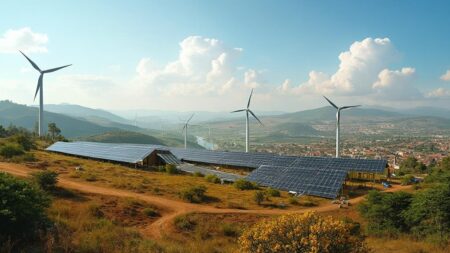
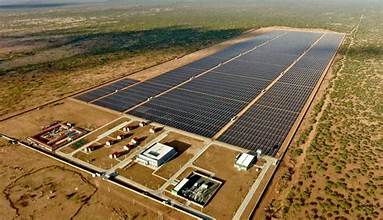
Kenya sits on extraordinary renewable energy potential. The Great Rift Valley holds vast geothermal reserves, while its equatorial location provides high solar irradiance. Wind farms like the Lake Turkana Wind Power Project are among the largest on the continent, and solar projects are proliferating in off-grid communities.
Policy is supportive: the government targets universal access to electricity by 2030, and the Ministry of Energy has consistently prioritized renewables over fossil fuels. Kenya has also positioned itself as a candidate for green hydrogen exports, leveraging its renewable surplus.
The message to investors is clear: Kenya is not only committed to renewables — it is already a proven early mover.
The Pain Points: Why Access Still Lags
Despite Kenya’s achievements, several bottlenecks constrain the sector:
- Grid Reliability. Transmission infrastructure is outdated, causing frequent outages even in urban areas.
- Rural Access Gaps. Roughly 25–30% of households remain without reliable electricity, especially in northern and arid counties.
- High Connection Costs. Even where the grid is present, households face connection fees that are unaffordable for many.
- Financial Barriers. Utilities struggle with revenue collection, and small developers face challenges accessing affordable credit.
- Policy Uncertainty. While strategy is pro-renewables, regulatory delays and tariff uncertainty can discourage private investment.
The paradox is that Kenya is simultaneously an exporter of clean energy and a country where millions remain energy-poor.
The Business Angles: Where the Real Opportunities Lie
1. Off-Grid Solar and Mini-Grids
Kenya is one of the world’s leaders in pay-as-you-go solar, pioneered by firms like M-KOPA and d.light. Mini-grids are expanding in remote regions, often backed by blended finance. Investors can scale here by integrating payment systems, bundling appliances, and leveraging carbon finance.
2. Battery Storage and Smart Grids
As intermittent solar and wind grow, the need for storage becomes acute. Investment in lithium and alternative battery storage, as well as smart grid systems to balance supply and demand, is a frontier play.
3. Industrial and Commercial Solar
Businesses facing high grid tariffs are increasingly turning to rooftop solar and hybrid systems. Developers offering reliable power purchase agreements (PPAs) for factories, malls, and institutions are gaining traction.
4. Green Hydrogen and Export Potential
Kenya’s renewable surplus and proximity to global shipping lanes position it as a candidate for green hydrogen exports. While early, pilot projects backed by international climate funds are already underway.
5. Transmission and Distribution Infrastructure
Perhaps the least glamorous but most critical opportunity lies in upgrading Kenya’s transmission and distribution networks. PPPs, donor-backed projects, and private grid service providers can capture steady, long-term returns here.
The Investor Lens: De-Risking and Scaling
The renewable energy opportunity in Kenya is compelling, but it requires navigating policy and financing constraints. Investors should:
- Partner with established local players who understand regulatory dynamics.
- Structure projects to leverage donor-backed guarantees and climate finance.
- Focus on hybrid business models — e.g., combining solar power with appliance financing, or pairing mini-grids with productive uses like irrigation.
- Target industrial clients with dollar-linked PPAs to hedge currency risk.
In short, returns come not just from capacity installation but from solving distribution and financing frictions.
Conclusion
Kenya’s green energy story is rightly celebrated, but the future lies not in headlines about “percentage renewable generation.” The future lies in closing the gap between abundant resources and actual universal access.
For entrepreneurs and investors, renewable energy in Kenya offers multiple angles: off-grid solar, industrial PPAs, storage, mini-grids, and even green hydrogen. The promise is strong, the pain points are real, and the winners will be those who turn Kenya’s infrastructure gaps into scalable business models that power both households and industries.