


[ad_1]
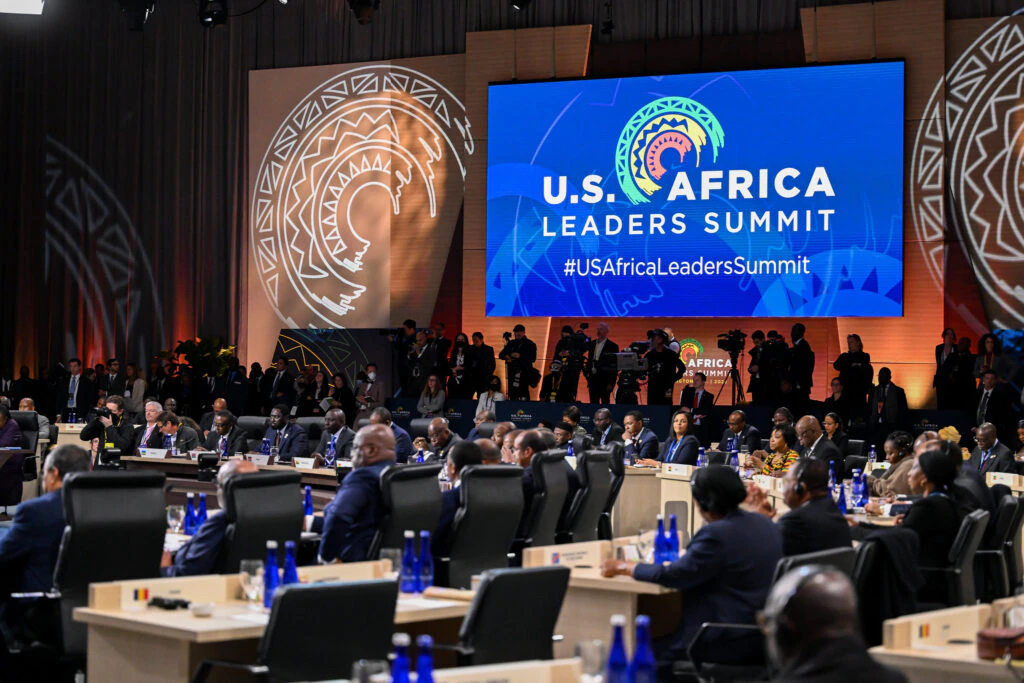
The White House has opened a new chapter in U.S.–Africa relations—one that looks less like aid diplomacy and more like deal-making. On July 9, 2025, President Donald Trump hosted a working lunch with five African heads of state—from Mauritania, Guinea-Bissau, Liberia, Senegal, and Gabon—inside the State Dining Room in Washington, D.C.
While framed as an “African leaders’ summit,” this gathering was intentionally selective. The focus wasn’t aid packages or traditional development pledges, but rather commercial opportunities and the promise of resource partnerships.
From Aid to Trade?
For decades, U.S. policy toward Africa has been mediated by aid programs, notably through USAID. But under Trump’s administration, this framework is being phased down or dismantled in favor of transactional diplomacy.
-
U.S. ambassadors are now expected to measure success by the commercial deals they broker, not the aid delivered.
-
Secretary of State Marco Rubio has made it clear: Washington wants to partner with “nations that help themselves,” signaling a new standard of reciprocity.
This pivot, showcased by the White House lunch, represents what analysts are calling the “New Africa Playbook.”
Who Was at the Table?
The five invited nations may not be Africa’s largest economies, but each holds strategic significance:
-
Mauritania – Rich in iron ore and newly discovered offshore gas.
-
Guinea-Bissau – Small, but geopolitically positioned in West Africa with untapped fisheries.
-
Liberia – Historic ties to the United States and one of the world’s largest shipping registries.
-
Senegal – A stable democracy, growing oil/gas producer, and key U.S. security partner.
-
Gabon – Oil-rich with vital manganese and uranium reserves critical to global supply chains.
Together, they form a cross-section of resource wealth, stability, and political alignment—making them attractive commercial partners for Washington’s new approach.
Highlights From the Lunch
-
Trump praised Africa’s “great minerals, great oil deposits, and incredible opportunities,” underscoring the resource-driven logic behind the outreach.
-
In a widely reported moment, Trump congratulated Liberian President Joseph Boakai on his English skills—despite English being Liberia’s official language. The remark drew criticism and highlighted Trump’s often blunt style of engagement.
-
Several African leaders flattered Trump in return, with some suggesting he deserved recognition for U.S.-brokered peace deals in Central Africa.
Why This Matters
This “mini-summit” signals more than symbolic engagement. It reflects Washington’s competition with China, which has invested heavily in Africa through infrastructure and resource deals. Unlike China’s continent-wide forums, the U.S. approach under Trump appears targeted, transactional, and resource-centric.
Analysts suggest that focusing on smaller, resource-rich states could allow the U.S. to secure quicker wins, strengthen supply chains, and avoid the complexities of negotiating with Africa’s largest powers.
Looking Ahead
Reports indicate this is the first in a series of engagements, with a broader Africa summit expected later in 2025 around the UN General Assembly. Whether this new playbook leads to sustained partnerships or simply short-term deals remains to be seen.
What’s clear: the White House has shifted the tone. Africa is no longer framed as a recipient of aid, but as a partner in trade.
🔗 Related Posts on Africa Growth Forum
[ad_2]