



Ethiopia is one of Africa’s most distinctive destinations — the only country on the continent never colonized, home to ancient Christian civilizations, and endowed with dramatic landscapes from the Simien Mountains to the Great Rift Valley. Its UNESCO World Heritage sites, cultural diversity, and status as the headquarters of the African Union in Addis Ababa make it a hub for both heritage and business tourism. Yet despite its assets, Ethiopia attracts fewer tourists than peers like Kenya or Egypt, mainly due to infrastructure gaps and underdeveloped hospitality services. For entrepreneurs and investors, the most compelling tourism business opportunities in Ethiopia lie in heritage packaging, eco-lodges, mid-tier hotels, and conference facilities that professionalize and scale a market still in its infancy.
A Unique Tourism Brand
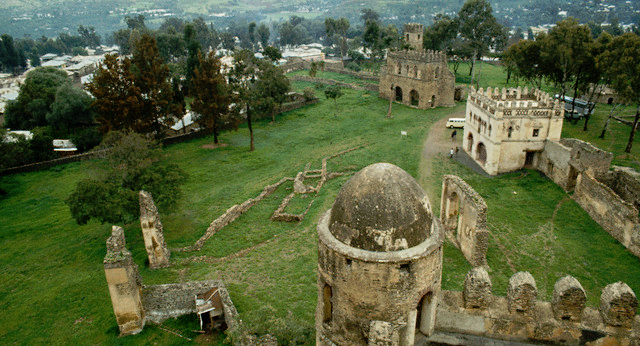
- Heritage & Religion: Rock-hewn churches of Lalibela, Axum’s obelisks, and the castles of Gondar offer unparalleled cultural tourism.
- Natural Wonders: Simien Mountains, Bale Mountains, Rift Valley lakes, and the Danakil Depression provide eco-tourism and adventure potential.
- Cultural Diversity: With 80+ ethnic groups, Ethiopia’s festivals, cuisine, and coffee culture enrich visitor experiences.
- Business & Conference Travel: Addis Ababa hosts the AU and UN Economic Commission for Africa, creating consistent MICE demand.
- Coffee Tourism: Ethiopia as the birthplace of coffee offers unique agro-tourism and branding opportunities.
Why Tourism Underperforms
- Infrastructure Deficits
Roads, airports, and utilities outside Addis and a few hubs remain weak, limiting access to major attractions. - Service Quality Gaps
While luxury hotels exist in Addis, mid-tier accommodation and professional tour services are inconsistent. - Limited Marketing & Digital Presence
Ethiopia lags in global marketing and online booking platforms, reducing visibility compared to regional peers. - Political Instability & Perceptions
Periodic internal conflict and security concerns reduce international arrivals despite safe tourist zones. - Seasonality & Concentration
Most tourists focus on the “historic circuit” (Lalibela–Axum–Gondar) or Addis, leaving other assets underdeveloped.
Where Opportunities Lie
1. Heritage Tourism Packaging
Professionalize multi-stop heritage tours (e.g., Lalibela–Axum–Gondar–Addis) with consistent transport, guides, and accommodation. Diaspora and faith-based tourism offer steady demand.
2. Eco-Lodges & Adventure Tourism
Develop eco-lodges in Simien Mountains, Bale, and Rift Valley lakes. Pair with trekking, birdwatching, or cultural exchanges to extend visitor stays.
3. Mid-Tier Hotels & Serviced Apartments
A major gap exists between luxury hotels and budget guesthouses. Branded 3–4 star hotels and serviced apartments in secondary cities (Bahir Dar, Hawassa, Mekelle) can scale profitably.
4. Conference & MICE Facilities
Addis’s AU and UN presence ensures steady MICE demand. Investors can develop mid-size conference centers, business hotels, and serviced offices.
5. Coffee & Culinary Tourism
Coffee estates and culinary tours appeal to diaspora and international visitors. Experiences linking farms, tastings, and roasting workshops are underdeveloped but highly marketable.
6. Digital Booking & Aggregator Platforms
Tour operators, hotels, and guides are fragmented. Platforms that aggregate and provide seamless booking/payment options could unlock hidden supply for global travelers.
How to Win in Ethiopia’s Tourism
- Anchor in Addis: Use Addis as a hub for MICE and international arrivals, but expand into heritage and eco circuits.
- Bundle Experiences: Heritage tourists want integrated packages — not just site visits, but culture, cuisine, and guided logistics.
- Solve the Mid-Tier Gap: Standardized, branded mid-range hotels and eco-lodges fill the biggest service void.
- Target Diaspora & Regional Travelers: Less sensitive to global travel advisories and more willing to explore beyond Addis.
- Leverage Coffee as a Brand: Position coffee tourism as Ethiopia’s signature experiential differentiator.
From Hidden Gem to Scaled Destination
Ethiopia’s tourism sector is rich in assets but poor in delivery. The promise — world-class heritage, eco-adventure, and coffee culture — is undeniable. The pain points — infrastructure, service gaps, and perception risks — are solvable through targeted investment.
The most attractive tourism business opportunities in Ethiopia are in heritage packaging, eco-lodges, mid-tier hospitality, conference centers, and coffee/culinary tourism. For investors, Ethiopia remains a frontier tourism market — but one with the potential to rival Africa’s top destinations if its assets are packaged and scaled professionally.