



Tanzania stands among Africa’s leading tourism destinations, blending world-class safaris, coastal beauty, and cultural richness. Before the pandemic, the country attracted over 1.5 million visitors annually, contributing nearly 17% of GDP. Now, as the sector rebounds under Tanzania’s Development Vision 2025, a new wave of investors is emerging — including a growing number from the African diaspora.
Diaspora entrepreneurs and investors are increasingly drawn to Tanzania’s booming tourism industry. Their access to global markets, capital, and technology positions them to transform how tourism is financed, marketed, and delivered. Whether through eco-lodges, mid-tier hotels, or cultural heritage ventures, the diaspora is becoming a central player in the next phase of Tanzania’s tourism growth.
Why Tanzania Attracts Global and Diaspora Investors
Tanzania’s unique mix of natural beauty and political stability continues to attract both institutional investors and diaspora entrepreneurs seeking sustainable ventures.
- Natural Wonders: Serengeti, Ngorongoro, and Kilimanjaro remain flagship destinations for global travelers.
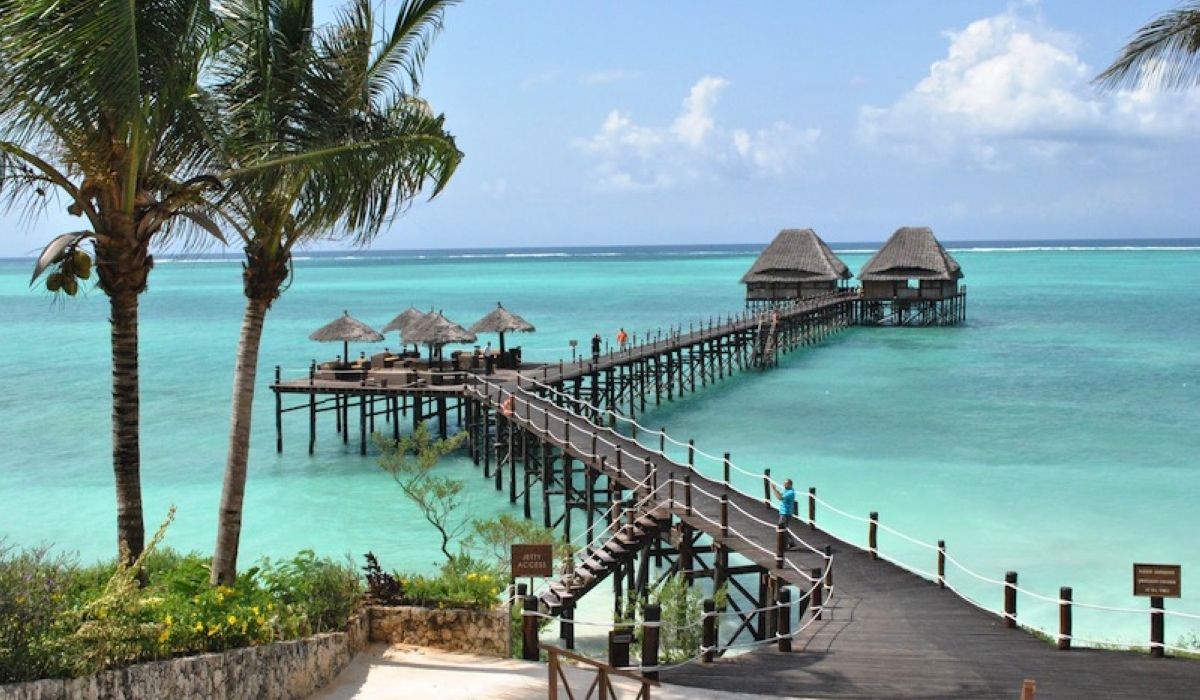
- Coastal Appeal: Zanzibar and Mafia Island offer pristine beaches and growing real estate investment zones.
- Cultural Heritage: Swahili, Maasai, and Chaga traditions present authentic tourism experiences aligned with diaspora interest in identity and heritage travel.
- Policy Support: Vision 2025 and SEZ-linked coastal projects prioritize tourism and diaspora investment participation.
🔗 Read next: The African Diaspora: Driving Africa’s Global Transformation (2025 Edition)
Current Challenges—and Openings for the Diaspora
Several structural barriers still limit tourism growth in Tanzania. However, each challenge represents a tangible opportunity for the diaspora to lead.
- Infrastructure Gaps: Poor roads and limited airport capacity restrict access to southern circuits—ideal for diaspora-backed eco-lodge developments.
- Mid-Tier Shortage: The lack of standardized 3–4 star hotels opens room for diaspora investors with experience in international hospitality chains.
- Digital Gaps: Few operators have integrated booking and payment systems; diaspora tech entrepreneurs can fill that gap.
- Skills Development: Partnerships between diaspora training programs and local colleges can raise service standards.
Five Tourism Sectors Poised for Diaspora Investment
1. Safari and Eco-Lodges
The southern and western parks—Ruaha, Selous, Katavi—are ripe for sustainable expansion. Eco-certified lodges can combine diaspora funding with renewable energy solutions to reduce costs and environmental impact.
🔗 Related: Renewable Energy in Tanzania – Off-Grid Solar for Tourism
2. Coastal and Island Resorts
Zanzibar’s growth continues, but new opportunities are emerging on Mafia Island and along Tanzania’s southern coast. Diaspora investors can bring design expertise, digital marketing, and green construction standards that appeal to global travelers seeking sustainability.
3. Mid-Tier Hotels and Serviced Apartments
A fast-growing diaspora travel market drives consistent demand for affordable, high-quality accommodations. Serviced apartments in Dar es Salaam, Dodoma, and Arusha provide stable returns and meet the needs of returning diaspora families and professionals.
🔗 Related: Real Estate Investment in Tanzania
4. MICE and Business Tourism
As Dar es Salaam and Dodoma rise as business hubs, opportunities for diaspora-led firms include event management, logistics, and conference infrastructure. These align with the government’s regional integration goals under AfCFTA.
5. Cultural and Heritage Tourism
Diaspora investors can play a direct role in connecting heritage tourism with community development. Experiences centered on Maasai villages, Zanzibar’s Stone Town, and Swahili coastal heritage meet the growing demand for cultural reconnection among diaspora travelers.
🔗 See also: Diaspora Bonds: Financing Africa’s Future
Investment Blueprint for the Diaspora
- Anchor in Flagships: Safaris and Zanzibar resorts remain proven draws.
- Diversify Regionally: The southern circuits offer lower entry costs and less competition.
- Invest in Skills: Partner with training centers to enhance service quality.
- Go Digital: Build booking platforms and diaspora-owned tour marketplaces.
- Prioritize Sustainability: Eco-certification attracts both premium guests and ESG-aligned investors.
🔗 Learn more: Africa’s Digital Infrastructure Boom
Conclusion: From Heritage to Opportunity
Tanzania’s tourism revival is more than an economic story — it’s a cultural reconnection. The African diaspora now has the chance to bridge identity and investment, turning ancestral pride into economic power.
By backing eco-lodges, coastal resorts, and heritage projects, diaspora investors can shape a tourism model rooted in sustainability, inclusivity, and shared prosperity. Tanzania’s landscapes may attract visitors — but it is diaspora vision that will define its future.