



[ad_1]
For decades, the United Arab Emirates (UAE) engaged with Africa primarily through aid and humanitarian channels. Today, that relationship has shifted into a new phase. The UAE is now one of Africa’s fastest-growing sources of foreign direct investment (FDI), backing projects that range from ports and logistics hubs to renewable energy and digital infrastructure.
This evolution mirrors Africa’s changing role in the global economy: no longer just a recipient of aid, but a continent where infrastructure and investment drive long-term partnerships.
Beyond Aid: Infrastructure as the New Currency of Partnership
Where aid once defined Gulf–Africa relations, the UAE has pivoted to strategic infrastructure investment.
- Ports & Logistics: Through companies like DP World, the UAE has invested heavily in African port infrastructure in Senegal, Egypt, and the Horn of Africa, giving African economies faster access to global markets.
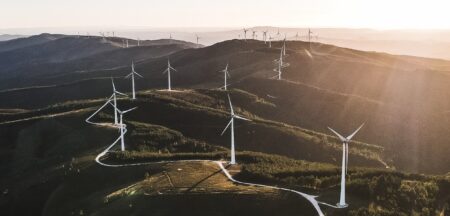
- Energy Projects: UAE firms are active in solar, wind, and power grid investments across sub-Saharan Africa, aligned with the continent’s energy deficit and the global clean energy transition.
- Digital Economy: Investments in ICT, smart cities, and fintech are laying the groundwork for Africa’s participation in the digital economy.
👉 Related: Africa’s Infrastructure Gap in 2025: Why $170 Billion a Year Still Isn’t Enough
Strategic Importance: Why the UAE is Looking South
For the UAE, Africa represents both opportunity and necessity:
- Diversification: As the Gulf economies diversify beyond oil, Africa offers new markets for trade, services, and finance.
- Mineral Access: Africa holds the critical minerals essential to renewable energy and high-tech manufacturing.
- Geopolitical Influence: By investing in Africa’s infrastructure, the UAE strengthens its position as a bridge between Africa, the Middle East, and Asia.
This positions the UAE alongside China, the EU, and the U.S. in competing for influence in Africa’s development future.
Economic Output: Africa Gains More Than Capital
For African nations, UAE investment means more than money. It can:
- Boost Trade Efficiency: Ports, logistics corridors, and transport networks lower the cost of doing business.
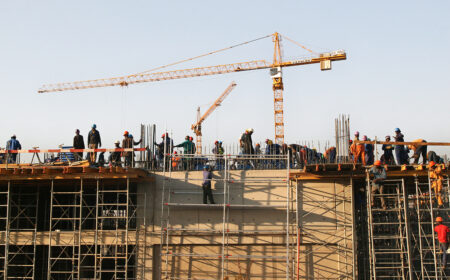
- Create Jobs: Infrastructure and energy projects employ thousands, from construction to operations.
- Attract Secondary Investment: Improved infrastructure draws manufacturers, service providers, and entrepreneurs.
- Support Tourism: UAE airlines and tourism partnerships expand Africa’s global connectivity.
👉 Related: Climate Finance and Africa’s Trillion-Dollar Transition
Why Africa Needs to Develop This Partnership
Africa’s challenge has always been infrastructure first. Without efficient logistics, reliable power, and digital networks, trade remains expensive and industries struggle to grow. The UAE’s model — investment tied to infrastructure and market expansion — directly addresses this bottleneck.
But for this partnership to truly work for Africa, countries must:
- Negotiate Strong Contracts — ensuring value for local economies, not just foreign companies.
- Link Investments to Industrial Growth — using infrastructure to support domestic production.
- Balance External Partnerships — UAE investment should complement, not replace, African-led financing and regional integration.
Top UAE Investments in Africa by Country
Nigeria
- Air travel & logistics: Emirates and Etihad partnerships have expanded routes, supporting trade and tourism.
- Ports & hubs: UAE-backed logistics facilities are helping ease congestion around Lagos.
- ICT investments: UAE firms have supported Nigeria’s drive toward digitalization and smart city initiatives.
Egypt
- DP World Sokhna Port: A flagship UAE investment in the Suez Canal zone, connecting Africa to global shipping routes.
- Renewable energy: Masdar, the UAE’s clean energy company, is investing in Egypt’s solar and wind projects.
- Tourism & real estate: UAE developers are heavily active in Egypt’s Red Sea and Mediterranean coastlines.
Kenya
- Aviation: Emirates flights through Nairobi position Kenya as a hub for East Africa.
- Agribusiness: UAE companies are investing in Kenya’s horticulture and food exports to secure Gulf food supply chains.
- Technology: Growing interest in fintech and digital startups as Kenya consolidates its role as Africa’s “Silicon Savannah.”
👉 Related: AUDA-NEPAD Pushes Africa’s Capital Markets to Bridge the Infrastructure Gap
Senegal
- Port of Dakar: DP World is expanding the port into a major logistics hub for West Africa.
- Energy projects: UAE firms are exploring renewables and natural gas collaborations.
- Tourism infrastructure: UAE investors are supporting Senegal’s plans to boost tourism and coastal development.
Why These Investments Matter
By diversifying across West, North, and East Africa, the UAE is:
- Securing strategic trade corridors.
- Investing in critical infrastructure like ports, roads, ICT, and energy.
- Helping Africa close its infrastructure financing gap, while gaining long-term access to markets and resources.
For Africa, the opportunity lies in leveraging these investments not just for exports, but for industrialization, job creation, and value addition.
Conclusion: The Gulf Meets Africa’s Growth Story
The UAE’s growing role in Africa reflects a continent in transition. Aid is giving way to investment, infrastructure, and strategic partnership. For Africa, this is an opportunity to secure long-term capital while shaping projects that serve not only global markets, but also local development needs.
As Africa looks to close its infrastructure gap and claim its place in the clean energy and digital economies, the UAE has become more than a donor — it is now a stakeholder in Africa’s future.