




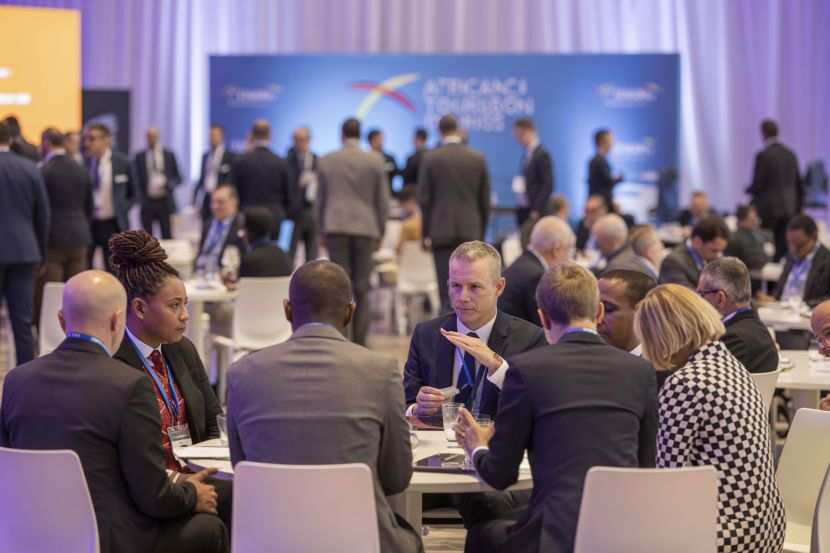
Cape Town, South Africa, will once again host the Africa Tourism Investment Conference (ATIC) from April 14–16, 2026, reaffirming the city’s reputation as Africa’s leading hub for sustainable tourism and global hospitality investment.
Held as part of World Travel Market (WTM) Africa, the 2026 conference will convene governments, financial institutions, investors, developers, and hospitality leaders — all with a shared mission to accelerate investment in Africa’s tourism industry.
This year’s theme, “Tourism Investment for a Sustainable Future,” reflects a growing movement toward green growth, community-based tourism, and digital transformation within Africa’s travel economy.
👉 Related Reading: Top 10 Sectors to Invest in Africa 2025–2030
🏖️ A Premier Platform for Tourism Investment
The Africa Tourism Investment Conference (ATIC) has evolved into one of the continent’s premier business platforms — driving deal flow, partnerships, and infrastructure development. Hosted at the Cape Town International Convention Centre (CTICC), ATIC 2026 will feature a full-day program of panel discussions, investor roundtables, and one-on-one matchmaking sessions designed to convert opportunity into action.
Produced in partnership with JLL Africa, a global real estate and investment advisory firm, the conference emphasizes cross-sector collaboration — connecting hospitality, real estate, transport, and finance under one investment banner.
“Tourism is no longer just about leisure. It’s about economic transformation, infrastructure, and sustainability,” said a JLL Africa spokesperson. “ATIC provides a platform where investors meet policymakers to turn ideas into bankable projects.”
👉 Explore: Bridging Africa’s Infrastructure Gap: Unlocking a $6 Billion Opportunity
💡 Why Tourism Matters to Africa’s Economic Future
Tourism contributes over 8% of Africa’s GDP, supporting more than 25 million jobs and serving as a major foreign exchange earner. Post-pandemic recovery has been faster than expected, with Africa’s international arrivals surpassing 2019 levels by mid-2025, according to the UN World Tourism Organization (UNWTO).
Yet, the continent still captures less than 5% of global tourism investment, highlighting a massive untapped opportunity. ATIC 2026 aims to close that gap by promoting:
-
Destination development through public-private partnerships.
-
Eco-resorts and sustainable hospitality ventures.
-
Cultural and heritage tourism that benefits local communities.
-
Infrastructure investment in airports, roads, and digital platforms.
Africa’s diversity — from safari landscapes to cultural cities and coastal hubs — positions it as one of the world’s most promising regions for long-term tourism investment.
👉 Read next: Africa’s Digital Infrastructure Boom
🧭 ATIC 2026: The Agenda for Transformation
The 2026 conference will focus on three key areas of transformation:
-
Sustainability and Green Investment – Discussions will explore climate-resilient tourism, renewable-powered resorts, and sustainable construction practices aligned with the UN Sustainable Development Goals (SDGs).
-
Financing Africa’s Tourism Projects – Panels will spotlight financing instruments like diaspora tourism funds, sovereign-backed loans, and impact investment vehicles.
-
Technology and Digital Tourism – Topics will include smart destinations, virtual tourism, and data-driven visitor management systems to improve experience and safety.
A dedicated investor lounge will enable one-on-one meetings between developers and financial institutions, aiming to translate conversations into capital commitments.
👉 See also: Diaspora Bonds and Africa’s Development Financing Future
🏗️ Infrastructure and Connectivity: The Backbone of Growth
A recurring message at past ATIC conferences — and expected again in 2026 — is that tourism cannot thrive without infrastructure. Airports, ports, energy grids, and digital networks are the arteries of Africa’s tourism economy.
Cape Town itself exemplifies this approach. Its upgraded airport, renewable energy initiatives, and vibrant hospitality sector have turned it into a global model for integrated tourism ecosystems.
Panel discussions at ATIC 2026 will focus on replicating this model in emerging destinations such as Zanzibar, Namibia, Rwanda, and Ghana, where governments are actively courting tourism-linked infrastructure investment.
👉 Explore further: Africa’s Infrastructure Gap: The $100 Billion Question
🌿 Sustainable Tourism as a Growth Driver
The 2026 conference will spotlight sustainability as a core investment criterion, reflecting the growing awareness that tourism must balance profit with planet.
Expect discussions on:
-
Community-led tourism models empowering local entrepreneurs.
-
Carbon-neutral hotel design and eco-certification programs.
-
Wildlife conservation financing and regenerative tourism practices.
According to JLL, sustainable destinations not only attract more investment but also achieve higher returns through energy efficiency, brand reputation, and long-term market stability.
💬 The Role of the African Diaspora
Africa’s diaspora represents an increasingly powerful force in the tourism economy — as both investors and travelers.
Diaspora-led ventures are emerging in hospitality, adventure travel, and cultural tourism across Africa. ATIC 2026 will include a Diaspora Tourism Investment Roundtable, focusing on mechanisms for:
-
Pooling diaspora capital into destination projects.
-
Co-investing with development finance institutions (DFIs).
-
Marketing Africa’s destinations to second- and third-generation diaspora audiences.
“Diaspora investors are uniquely positioned to combine financial capital with cultural understanding,” said a WTM Africa official. “They can help redefine Africa’s tourism brand for a global audience.”
👉 Related pillar: The African Diaspora: Driving Africa’s Global Transformation (2025 Edition)
🌅 Outlook: Tourism as Africa’s Next Investment Frontier
The Africa Tourism Investment Conference 2026 arrives at a defining moment. With sustainable travel on the rise, climate priorities reshaping investment flows, and AfCFTA enhancing cross-border mobility, the continent’s tourism landscape is set for a revolutionary decade.
If ATIC 2026 succeeds in catalyzing multi-sector partnerships — from green hotels to transport infrastructure — Africa could emerge as the world’s fastest-growing tourism investment destination by 2030.
Cape Town’s hosting of ATIC once again is both symbolic and strategic: it embodies the progress Africa has made, and the promise still ahead.
“Africa is not waiting to be discovered,” said one panelist at the 2025 edition. “It is ready to be invested in.”