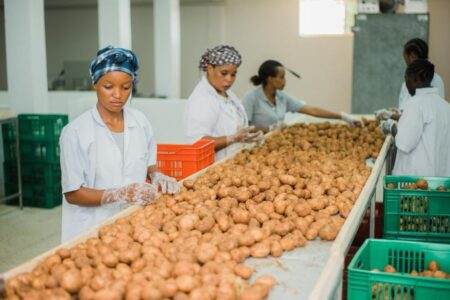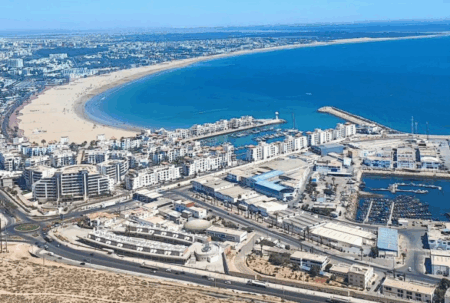





Agriculture is one of Morocco’s most strategic sectors, contributing roughly 13% of GDP and employing nearly a third of the workforce. The country’s diverse climate — from Mediterranean coasts to inland valleys and arid zones — supports a wide variety of crops, making Morocco both a regional food supplier and a major export hub to Europe, Africa, and the Middle East. Flagship policies like the Green Morocco Plan (2008–2020) and its successor, Generation Green 2020–2030, have modernized the sector, boosting exports of citrus, olives, and tomatoes. Yet structural gaps remain in water management, mechanization, and value-added processing. For entrepreneurs and investors, the most compelling agriculture business opportunities in Morocco lie in export-oriented horticulture, agri-processing, climate-smart irrigation, and agritech solutions that align with Morocco’s sustainability goals.
The Promise: Morocco’s Agricultural Strengths
- Export Gateway: Morocco is one of the top suppliers of citrus and tomatoes to the EU and Middle East, leveraging proximity and trade agreements.
- Diverse Agro-Climatic Zones: From Souss-Massa (horticulture) to Meknès (olives and cereals), Morocco produces crops year-round.
- Policy Support: The Generation Green plan prioritizes smallholder integration, digital agriculture, and exports.
- Irrigation Investments: Large-scale irrigation projects in Souss-Massa and Tadla have expanded high-value horticulture.
- Agro-Industrial Parks: Zones like Agropole Meknès integrate farming with processing and logistics.
The Pain Points: Where the Sector Struggles
- Water Scarcity & Climate Stress
Agriculture consumes nearly 85% of Morocco’s water. Droughts are becoming more frequent, threatening yields. - Fragmented Smallholder Base
Millions of small farms lack access to finance, mechanization, and reliable markets. - Limited Value Addition
Many crops are exported raw (e.g., tomatoes, citrus) with limited local processing into juices, oils, or packaged goods. - Logistics & Cold Chain Gaps
Rural logistics remain weak, creating post-harvest losses. - Dependence on EU Market
Heavy reliance on European buyers exposes Morocco to price and trade shocks.
The Business Angles: Where Investors Can Win
1. High-Value Horticulture for Export
- Citrus, berries, tomatoes, and greenhouse vegetables remain strong.
- Controlled-environment agriculture (greenhouses, hydroponics) can extend yields and reduce climate risk.
2. Agro-Processing & Value Addition
- Juice, jam, olive oil bottling, packaged nuts, and frozen vegetables are underdeveloped.
- Agro-processing reduces waste and captures more export value.
3. Climate-Smart Irrigation & Mechanization
- Drip irrigation, solar-powered pumps, and water reuse solutions are increasingly demanded.
- Leasing models for tractors and equipment could scale mechanization for smallholders.
4. Agri-Tech Platforms
- Mobile platforms for farmer credit, input supply, and market linkages are in early stages but rising.
- Precision agriculture (sensors, drones, AI analytics) can optimize water and fertilizer use.
5. Domestic Food Processing & Retail
- Urbanization is driving demand for packaged foods.
- Partnerships with supermarkets and quick-service restaurants create opportunities for local processors.
The Investor Lens: Strategies for Success
- Export Orientation + Diversification: Build for EU, but also target MENA and African markets.
- Cluster Participation: Invest near agro-industrial parks (Agropole Meknès, Souss-Massa) to benefit from infrastructure.
- Public-Private Partnerships: Leverage incentives under Generation Green for irrigation and agri-processing.
- Tech + Finance Bundling: Offer equipment or irrigation tied to microfinance to boost adoption.
- Sustainability as Differentiator: Water-efficient and organic products command premium prices in global markets.
Conclusion: From Traditional Farming to Modern Agribusiness
Morocco’s agriculture is not just a domestic backbone — it is a strategic export engine and a platform for industrialization. The promise — diverse crops, trade access, and strong policy support — is clear. The pain points — water scarcity, fragmentation, and limited processing — create opportunities for smart investment.
The most promising agriculture business opportunities in Morocco are in export horticulture, value-added processing, climate-smart irrigation, agritech platforms, and domestic food processing. For investors, Morocco offers both regional stability and gateway access to EU and MENA markets, making it one of Africa’s most competitive agribusiness destinations.