
Agriculture remains the backbone of Senegal’s economy, employing nearly 40% of the workforce and contributing around 15% of GDP. The sector is diverse — spanning groundnuts (Senegal’s historic export), fisheries, horticulture, and livestock. In recent years, policy reforms under the Plan Sénégal Emergent (PSE) and donor support have modernized the value chain, particularly in rice production and horticultural exports. Yet challenges such as reliance on rain-fed systems, low mechanization, and logistics bottlenecks persist. For entrepreneurs and investors, the most compelling agriculture business opportunities in Senegal lie in rice value chains, horticultural exports, fisheries, agritech, and agro-processing.
The Promise: Why Agriculture Matters in Senegal
- Staple Self-Sufficiency Goals: Government programs aim to make Senegal self-sufficient in rice and reduce food import dependency.
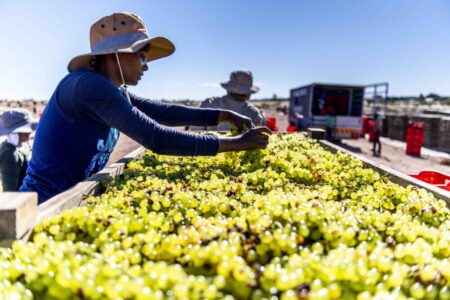
- Export Growth: Green beans, cherry tomatoes, and melons are increasingly exported to Europe.
- Fishing Industry: Senegal’s Atlantic coastline makes fisheries and aquaculture key economic drivers.
- Youthful Workforce: A large labor pool provides manpower for farming and agribusiness ventures.
- Policy Alignment: The PSE prioritizes agriculture as a pillar of national development.
The Pain Points: What Constrains Growth
- Dependence on Rainfall
Limited irrigation infrastructure leaves farmers vulnerable to climate shocks. - Low Mechanization
Most farms rely on traditional methods; tractor density and equipment use are minimal. - Post-Harvest Losses
Lack of cold chain logistics and storage facilities result in high spoilage rates. - Fragmented Land Holdings
Smallholder dominance limits economies of scale. - Export Volatility
Dependence on European buyers makes horticultural exports vulnerable to demand fluctuations.
The Business Angles: Where the Opportunities Lie
1. Rice & Cereal Value Chains
- Investment in irrigation and mechanization can boost rice yields.
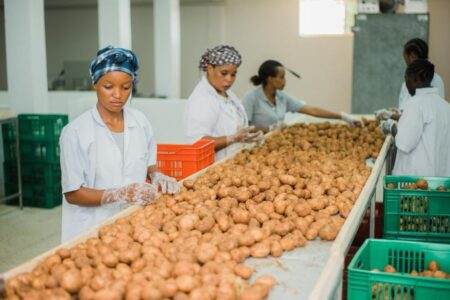
- Milling and packaging facilities are underdeveloped, creating room for agro-processing.
2. Horticultural Exports
- Green beans, cherry tomatoes, and mangoes are in demand in Europe.
- Cold chain infrastructure and certification services are key gaps.
3. Fisheries & Aquaculture
- Senegal’s fish stocks are under pressure, but aquaculture (tilapia, shrimp) offers scalable opportunities.
- Processing plants for fishmeal and frozen exports can capture more value.
4. Agro-Processing & Packaging
- Groundnuts, cashews, and horticultural products are mostly exported raw.
- Local processing into oil, flour, or packaged snacks is a high-value niche.
5. Agritech Platforms
- Mobile-based solutions for farmer finance, input supply, and weather data are scaling.
- Partnerships with telecoms and microfinance institutions can drive adoption.
The Investor Lens: How to Approach Agriculture in Senegal
- Cluster Investments: Locate near irrigation projects and agro-industrial parks.
- Export + Domestic Strategy: Balance export horticulture with local staples like rice for resilience.
- Partner with Donors: Many projects (World Bank, AfDB, USAID) de-risk agricultural investments.
- Bundle Finance + Tech: Provide mechanization and irrigation solutions through lease-to-own models.
- Target Aquaculture: Demand for protein is rising regionally, and aquaculture is underdeveloped.
Conclusion: From Groundnuts to Modern Agribusiness
Senegal’s agriculture is shifting from subsistence to commercial agribusiness. The promise — rice self-sufficiency, horticultural exports, and fisheries — is clear. The pain points — irrigation gaps, low mechanization, and weak cold chains — create opportunities for investors.
The most attractive agriculture business opportunities in Senegal are in rice and cereal value chains, horticultural exports, aquaculture, agro-processing, and agritech platforms. For entrepreneurs, Senegal offers not just a domestic market but also a strategic export base into Europe and West Africa.