

Uganda is one of East Africa’s most promising frontier economies, with a young population, fertile land, and major oil reserves under development. The country’s GDP has grown steadily over the past two decades, supported by agriculture, services, and infrastructure investment. But the coming years will be defined by a dual story: oil megaprojects driving infrastructure and urban growth, and agriculture and renewable energy providing long-term, inclusive development.
For investors, the top three opportunities in Uganda are:
- Oil & Gas and supporting infrastructure
- Agriculture and agro-processing
- Renewable energy and distributed power solutions
Other sectors — real estate, tourism, and ICT — also present growth niches, particularly for diaspora and SME investors.
Oil & Gas & Infrastructure – Uganda’s Defining Project
Uganda holds 6.5 billion barrels of oil in the Lake Albert region, with production expected by 2025–26. The East African Crude Oil Pipeline (EACOP), a $4B cross-border pipeline to Tanzania’s port of Tanga, is the anchor project.
Beyond oil drilling, the sector is driving housing demand in Hoima, logistics depots, roads, and power plants. Investors can tap into oilfield services, real estate, trucking, and downstream processing.
👉 Explore more: Oil & Gas Investment in Uganda
Agriculture & Agribusiness – The Backbone of Growth
Agriculture employs 70% of Ugandans and remains the largest contributor to GDP. Uganda is Africa’s largest coffee exporter, with additional strengths in dairy, fish, tea, and horticulture.
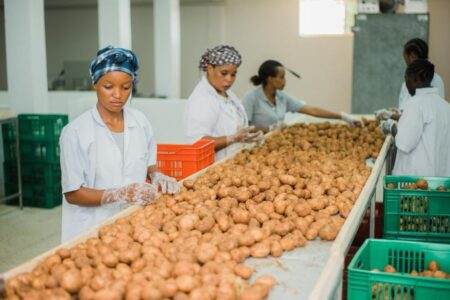
The government’s National Development Plan III prioritizes value addition, from coffee roasting to dairy processing. Investors can find scalable opportunities in agro-processing, cold chain logistics, solar-powered irrigation, and export hubs.
👉 Explore more: Agriculture Business Opportunities in Uganda
Renewable Energy & Power – Beyond Hydropower
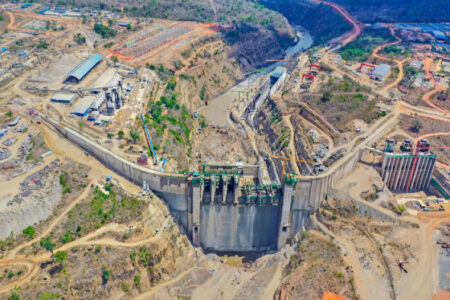
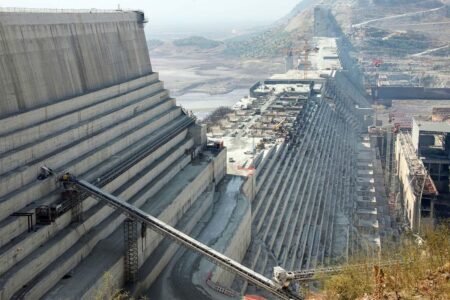
Uganda has long relied on hydropower dams like Karuma and Isimba, but drought risks highlight the need for diversification. Access to electricity is still just 42% of the population.
This gap creates opportunity. Solar IPPs, rural mini-grids, PAYG solar kits, and biomass plants are expanding, backed by programs like GET FiT. Industrial users, especially in agriculture and mining, are adopting captive power solutions to secure reliable energy.
👉 Explore more: Renewable Energy in Uganda
Secondary Sectors to Watch
Real Estate & Housing
Urbanization in Kampala and oil activity in Hoima are fueling demand for housing estates, hotels, and logistics parks. Diaspora remittances (>$1.4B annually) are a key driver of residential projects.
👉 Explore more: Real Estate Investment in Uganda
Tourism & Hospitality
Uganda is famous for gorilla trekking in Bwindi, Murchison Falls, and Lake Victoria. Tourism contributes 7.7% of GDP, but mid-tier hotels and digital platforms remain underdeveloped.
👉 Explore more: Tourism Business Opportunities in Uganda
ICT & Startups
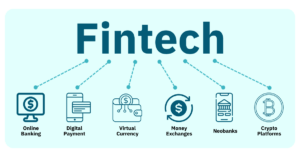
\Uganda’s digital economy is emerging, with MTN MoMo and Airtel Money leading mobile finance. Kampala’s Innovation Village is building a startup ecosystem, though funding gaps remain.
👉 Explore more: (to be drafted) ICT & Startups in Uganda
Guiding Investors to Uganda’s Opportunities
Uganda’s investment map is clear: oil and gas megaprojects will define the next decade, but the most inclusive and scalable opportunities lie in agriculture and renewable energy. Real estate, tourism, and ICT provide complementary niches, especially for diaspora and SME investors.
For large-scale investors, the focus is on oil, power, and infrastructure. For mid-sized firms, opportunities exist in agro-processing, housing estates, and solar mini-grids. For SMEs and diaspora, the strongest entry points are coffee value addition, eco-lodges, serviced apartments, and fintech services.
Uganda is more than just an oil story — it’s a frontier economy where natural resources and demographics meet innovation.