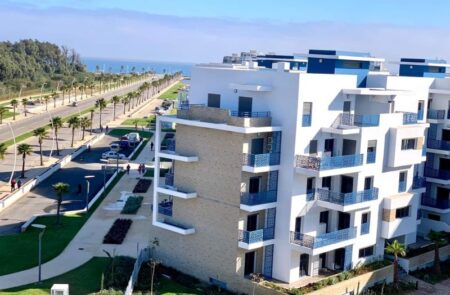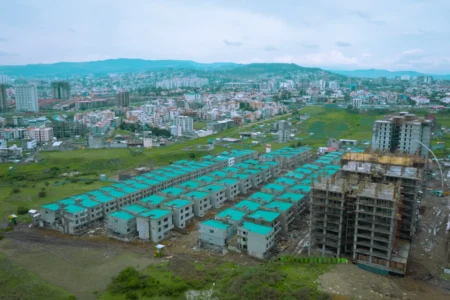

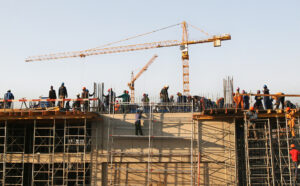



Kenya’s real estate sector has become one of the most dynamic in East Africa. Driven by rapid urbanization, population growth, and diaspora remittances, property development continues to attract both local and foreign investors. In 2025, real estate investment in Kenya spans everything from affordable housing to luxury apartments, commercial centers, and coastal developments.
This article explores the promise of the sector, the structural gaps holding it back, and the business angles where investors can make the most impact.
Why Real Estate Matters in Kenya
Kenya’s urban population grows by more than 500,000 people annually, creating strong demand for housing, offices, and retail spaces. Nairobi remains the heartbeat of the sector, but Mombasa, Kisumu, and emerging satellite towns like Thika and Kitengela are seeing rising interest.
Diaspora remittances — which totaled over $4 billion in 2023 — play a major role in fueling real estate purchases, making the sector a magnet for both domestic and international capital.
The Promise of Real Estate in Kenya
- Housing Demand: The national housing deficit is estimated at 2 million+ units and growing.
- Diaspora Investment: Millions of Kenyans abroad send remittances to fund property purchases and construction.
- Commercial Expansion: Nairobi’s role as a business hub fuels demand for office towers, retail centers, and industrial parks.
- Tourism Tie-In: Coastal regions like Mombasa and Malindi are attracting luxury resort and vacation property investment.
Real estate offers steady returns, resilience, and diverse entry points across income segments.
Pain Points Holding the Sector Back
- Housing Deficit: Affordable housing is the biggest gap, as most urban residents cannot access mortgages.
- High Construction Costs: Heavy reliance on imported materials drives up costs.
- Mortgage Barriers: Only about 20,000 mortgages exist nationwide, in a country of 55 million people.
- Infrastructure Gaps: Road access, utilities, and water availability limit expansion in some areas.
These challenges reveal both the risks and the business opportunities within the sector.
Business Angles: Where the Opportunities Lie
1. Affordable Housing Projects
The government’s “Big Four Agenda” prioritizes affordable housing. Developers who innovate with low-cost materials, prefab construction, or PPP models can scale quickly.
2. Diaspora-Focused Real Estate Platforms
Remittance-backed property purchases are huge. Businesses offering trusted online platforms for diaspora buyers can capture a large market.
3. Commercial Real Estate Development
Office towers, industrial parks, and logistics hubs around Nairobi and Mombasa are in high demand.
4. Luxury and Coastal Properties
Tourism and lifestyle demand drive strong interest in high-end apartments and resorts in Mombasa, Malindi, and Diani.
5. Green & Smart Housing
Eco-friendly, solar-ready, and smart homes are an emerging trend in Kenya’s middle and upper markets.
Risks and What to Watch
- Interest rate fluctuations can raise borrowing costs.
- Oversupply risk in high-end office space.
- Land disputes and unclear titles can create legal challenges.
- Policy changes in taxation and land laws may affect returns.
Despite these risks, the long-term housing deficit and growing urban demand make real estate one of Kenya’s most enduring investment sectors.
Conclusion
Kenya’s real estate market is a story of contrasts: soaring demand for housing and commercial spaces alongside barriers in affordability, infrastructure, and financing. Yet those very barriers define the real estate investment opportunities in Kenya.
Affordable housing solutions, diaspora-backed platforms, commercial centers, and coastal resorts offer investors clear entry points. By bridging gaps in affordability, financing, and infrastructure, real estate developers can build wealth while shaping Kenya’s urban future.
For a deeper analysis of the market, read Real Estate & Housing Investment in Kenya: Where the Real Value Is Created