
Infrastructure & Trade Corridors
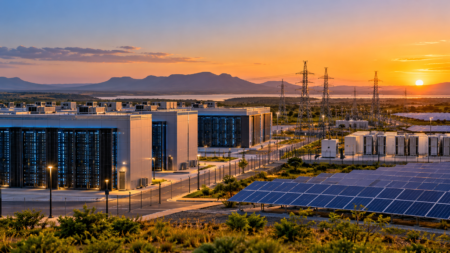
Why participating in the AI economy requires investment in electricity, computing infrastructure, digital connectivity, businesses, and technical capabilities. Artificial intelligence is becoming a significant…
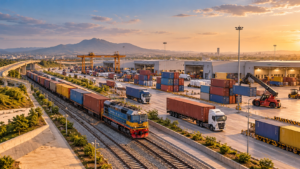
Why inland logistics hubs are becoming important locations for industrial…
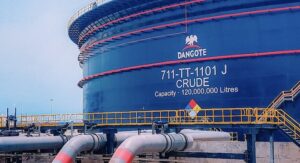
Sub-Saharan Africa has spent half a century in a predictable…
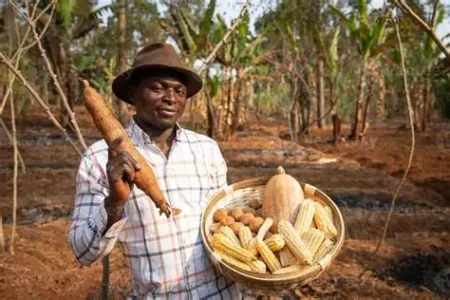
While discussions on African economic integration frequently center on capital markets, transport corridors, and tariff…
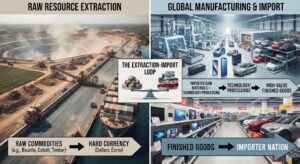
Having examined how private capital and extraction-driven currency dynamics hollow out domestic labor and small-scale…

If you drive down a highway anywhere in the world and look up at the…
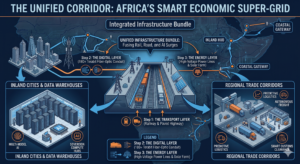
How Africa can coordinate its expanding transportation, energy, and digital infrastructure investments to unlock new…
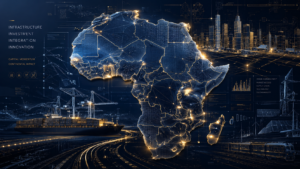
This framework serves as the definitive core directive for the Africa Growth Forum tracking network,…

For decades, African export strategies have been artificially anchored by external preferential trade agreements, most…
Editors Picks
Recent Posts
- How AI and Digital Infrastructure Could Transform African Trade Corridors
- Africa’s Dry Ports and Economic Corridors: Where Infrastructure Creates Investment Opportunities
- Why Won’t Total and Shell Build a Refinery in Uganda? The Dangote Blueprint and Africa’s Refining Question
- The Agricultural Frontier: Breadbasket Zones and Agrarian Potential as Continental Growth Engines
- The Cascading Economy: Major Waterfalls and Ecotourism Corridors as High-Value Natural Assets
Recent Comments
ABOUT US
The Africa Growth Forum, led by the Africa Growth and Investment Institute (AGII), is an independent strategic advisory and economic intelligence institute dedicated to advancing sustainable capital deployment across the continent. Grounded in operational due diligence and AfCFTA market intelligence, the Institute provides board-level counsel, trade corridor structuring, and policy innovation for institutional investors, infrastructure developers, and multinational corporations expanding across 54 African nations.