


For years, Ethiopia was considered Africa’s “last frontier” for ICT — a huge market of over 120 million people, but closed to private telecoms and foreign competition. That has begun to change. The government’s telecom liberalization, Safaricom’s market entry, and expanding internet penetration are opening new frontiers for digital services. While Ethiopia’s startup ecosystem is still early compared to Kenya or Nigeria, the potential is immense. For investors, the most promising ICT business opportunities in Ethiopia lie in building scalable digital platforms for finance, logistics, education, and health — sectors directly tied to Ethiopia’s demographic scale and economic transition.
Market Size and Policy Shifts
- Population Scale: With more than 120 million people — mostly under 25 — Ethiopia is Africa’s second most populous nation, and a natural digital consumer market.
- Telecom Liberalization: Safaricom’s entry has broken Ethio Telecom’s monopoly, spurring competition in mobile and internet services.
- Mobile Money Approval: The 2022 regulatory reform allowed non-bank players to launch mobile money services, opening the fintech floodgates.
- Digital Adoption: Smartphone penetration is rising fast (projected 40%+ by 2025), creating space for app-based services.
- Addis Ababa as a Hub: The capital is emerging as a startup hub, with incubators, co-working spaces, and donor-backed innovation funds.
What Holds Back Growth
- Infrastructure Gaps
Internet penetration lags (around 25–30%), rural connectivity is poor, and electricity shortages disrupt digital services. - Regulatory Uncertainty
Rules around licensing, data protection, and foreign ownership shift frequently, making planning difficult. - Capital Scarcity
Ethiopia’s startup funding ecosystem is thin. Most VC comes from donors or diaspora; local capital markets remain underdeveloped. - Foreign Exchange Controls
Startups struggle to repatriate earnings or access foreign currency for imports, limiting scale-up potential. - Talent Retention
Ethiopia has a growing pool of young coders, but many migrate to global tech markets due to limited opportunities at home.
Where the Opportunities Lie
1. Fintech & Mobile Money
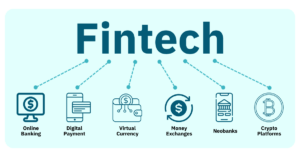
With millions still unbanked, mobile money and fintech services are the largest opportunity. Payments, savings, remittances, and SME lending platforms can scale rapidly now that regulation has opened.
2. Logistics & E-Commerce Tech
As e-commerce slowly expands, logistics tech — including last-mile delivery apps, warehouse management, and digital marketplaces — is a critical enabler.
3. Edtech & Skills Platforms
Ethiopia has millions of young people seeking job-relevant skills. Online learning platforms, coding bootcamps, and mobile-first edtech can fill this gap, especially if tied to job placement.
4. Healthtech & Telemedicine
Access to healthcare remains limited outside major cities. Telemedicine platforms, e-pharmacies, and health data systems are growing areas of need.
5. Agritech Solutions
With agriculture still dominant, mobile platforms for farmer information, market prices, and input distribution are high-impact, especially in rural areas.
6. Diaspora-Focused Digital Platforms
Ethiopia’s diaspora sends billions in remittances annually. Digital platforms that ease money transfer, investment, and diaspora engagement offer scalable niches.
How to Navigate Ethiopia’s ICT Market
- Anchor in Addis, Test in Secondary Cities: Addis Ababa offers the densest startup ecosystem, but long-term growth requires scaling to regional hubs.
- Leverage Donor & Diaspora Capital: Many early-stage startups are backed by grants or diaspora funds; investors can co-invest to de-risk exposure.
- Design for Low-Bandwidth, Mobile-First Use: Apps must function offline or with intermittent connectivity.
- Build Policy Relationships Early: Regulatory engagement is critical; those who align with government priorities (e.g., financial inclusion, job creation) will scale faster.
- Hybrid Revenue Models: Blend subscription, transaction, and service fees to weather regulatory or currency volatility.
From Frontier to Growth Hub
Ethiopia’s ICT sector is finally moving from potential to reality. The promise — a massive population, policy liberalization, and youth demand — is clear. The pain points — infrastructure gaps, regulatory uncertainty, and capital scarcity — are real, but they create entry points for bold, early investors.
The most compelling ICT business opportunities in Ethiopia are in fintech, logistics tech, edtech, healthtech, and agritech. For entrepreneurs and investors, Ethiopia is still a frontier — but one where the right models could scale to millions in one of Africa’s largest untapped digital markets.