


South Africa’s real estate and infrastructure industries stand at the heart of its economic transformation. Together, they contribute nearly 9% of GDP and employ hundreds of thousands of South Africans. Urbanization is accelerating — over 67% of the population now lives in cities — creating continuous demand for new homes, retail hubs, logistics infrastructure, and innovative building solutions.
For entrepreneurs, diaspora investors, and small developers, there are many real estate and infrastructure business opportunities in South Africa that offer both profitability and social impact. From tackling the country’s housing backlog to building green cities of the future, this sector is filled with entry points for those who want to make a difference while building long-term wealth.
The Current State of Real Estate and Infrastructure
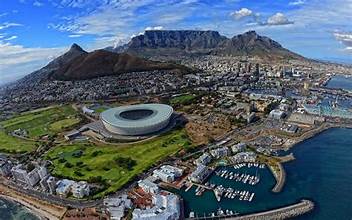
South Africa’s real estate sector is both established and full of gaps. On one end, major cities like Johannesburg and Cape Town boast modern skyscrapers, world-class malls, and luxury housing. On the other, millions of South Africans still lack affordable housing. This imbalance is precisely where opportunity lives.
The National Development Plan 2030 sets out ambitious targets for infrastructure, housing, and inclusive urban growth. Coupled with private investment in renewable energy, transport, and smart housing, the market is shifting quickly. The question for entrepreneurs is no longer if to get involved, but how.
1. Affordable Housing Development
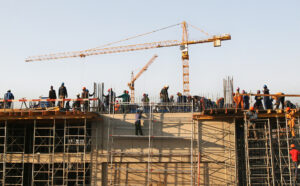
Few sectors in South Africa present as clear an opportunity as housing. The country faces a backlog of over 2 million units, with the gap growing every year. For developers and investors, this is not only a profitable venture but also a way to directly address a social crisis.
Small and medium developers can participate in government-backed initiatives like the Breaking New Ground housing policy, which provides support for affordable housing construction. Diaspora investors can partner with local builders to finance projects in Johannesburg, Cape Town, and Durban, where demand is highest.
The business model here is strong: steady rental income, high occupancy rates, and long-term appreciation. But the real motivation is knowing that every house built contributes to stability, dignity, and economic inclusion for South Africans.
2. Commercial Real Estate Investments
South Africa’s commercial property market is evolving. While corporate office demand has slowed due to remote work, retail centers, co-working spaces, and industrial warehouses are thriving. Townships like Soweto are seeing mall developments that attract thousands of daily shoppers, and e-commerce growth has created intense demand for warehousing around Durban and Johannesburg.
For entrepreneurs, this means flexibility and choice. Some may focus on township retail centers, where returns are tied to vibrant, underserved consumer markets. Others may explore co-working and flexible office space for startups in Cape Town, a hub for digital entrepreneurs.
The opportunity is clear: commercial properties in growth zones deliver solid yields (8–10%) and long-term appreciation. For diaspora investors especially, this is a way to capture steady income while plugging into South Africa’s entrepreneurial ecosystem.
👉 Helpful guide: E-Commerce and Online Retail Business Opportunities in South Africa
3. Real Estate Technology (PropTech)
Real estate in South Africa is ripe for digital disruption. Platforms like Property24 and Private Property dominate listings, but huge gaps remain in rental management, affordable housing search tools, and landlord-tenant apps.
PropTech requires less upfront capital compared to traditional real estate, making it perfect for tech-savvy entrepreneurs or diaspora investors looking to start small. Imagine a mobile app that connects landlords in Cape Town’s student districts with tenants, or a tool that streamlines rural land title management.
The low barrier to entry and high scalability make PropTech one of the most exciting real estate opportunities right now. And with more South Africans going digital, the market is only expanding.
👉 Related: Business Opportunities in South Africa
4. Green & Sustainable Building
South Africa’s rising energy and water costs are driving demand for eco-friendly housing and construction. Already, the Green Building Council South Africa has certified over 500 buildings, but the demand far outstrips supply.
Opportunities here include solar-powered housing estates, water-recycling systems, and green construction materials. Developers who embrace these trends not only cut long-term costs but also attract higher-value tenants and buyers.
This is where business meets purpose. Green building entrepreneurs help South Africa fight climate change while building homes and offices that future-proof communities.
👉 Related: Solar Energy Business Opportunities in South Africa
5. Logistics & Infrastructure Development
South Africa is the gateway to African trade, and logistics infrastructure is its backbone. With projects like the Durban Port expansion and regional transport corridors underway, logistics businesses are positioned for rapid growth.
Entrepreneurs can develop warehousing near Durban and Johannesburg, set up cold storage facilities for agriculture exports, or invest in fleet management companies serving regional trade.
South Africa consistently ranks among Africa’s leaders in the World Bank’s Logistics Performance Index, making this one of the safest bets for diaspora-backed businesses. Logistics doesn’t just generate profits — it powers exports, reduces costs, and connects African markets.
👉 Explore more: Agriculture Business Opportunities in South Africa
6. Short-Term Rentals & Hospitality Real Estate
Tourism is bouncing back, and with it comes strong demand for short-term rentals and boutique guesthouses. Airbnb lists South Africa as one of its fastest-growing African markets, with Cape Town, Durban, and the Garden Route leading the way.
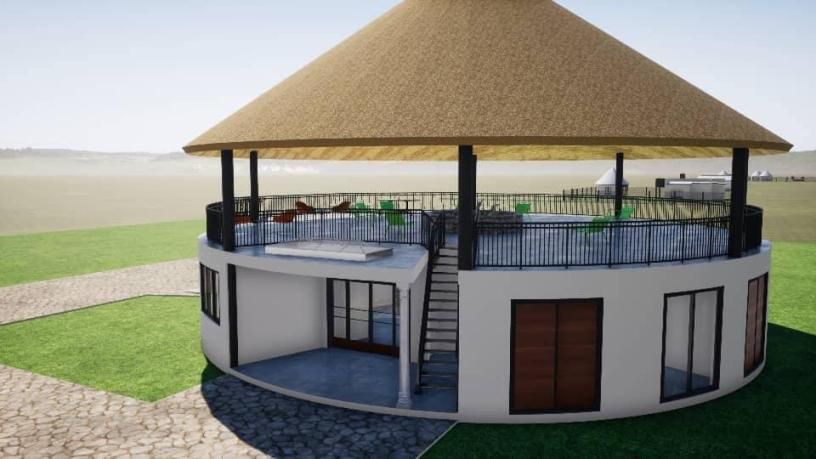
Diaspora investors can buy or co-invest in properties that double as both a personal holiday home and a business asset. Small entrepreneurs can start with guesthouses near safari routes or vineyards, offering authentic experiences that large hotels can’t replicate.
This opportunity combines cash flow from rentals with the long-term asset growth of property ownership. And as South Africa continues to draw international visitors, this niche is only expanding.
👉 Related: Tourism and Hospitality Business Opportunities in South Africa
Conclusion
The real estate and infrastructure business opportunities in South Africa are broad, resilient, and transformative. From affordable housing that addresses social needs to green building that supports sustainability, each path offers both profitability and purpose.
For the African diaspora, this sector is especially attractive. It offers a way to invest back home, generate steady returns, and contribute to building South Africa’s future.