


South Africa’s digital economy is on the rise. With internet penetration above 70%, one of the largest smartphone markets in Africa, and a growing middle class, e-commerce is no longer a luxury — it’s a daily reality. The COVID-19 pandemic accelerated online shopping adoption, and now, entrepreneurs are riding a wave of consumer behavior that is here to stay.
For business owners, diaspora investors, and digital entrepreneurs, there are countless e-commerce and online retail business opportunities in South Africa. From fashion to fintech, the digital marketplace is open, growing fast, and still relatively underdeveloped compared to global standards.
The Current State of E-Commerce in South Africa
- Market Size: South Africa’s e-commerce sector is worth over R55 billion and is projected to grow by over 11% annually through 2025.
- Consumer Trends: Online shoppers prefer fashion, electronics, food delivery, and beauty products.
- Platforms: Major players like Takealot dominate, but niche markets are wide open.
- Mobile First: Most e-commerce growth comes from smartphones, making mobile-friendly stores and apps essential.
- Industry Health: Logistics challenges exist, but fintech innovation and digital payments are rapidly smoothing the experience.
👉 Related: Real Estate and Infrastructure Business Opportunities in South Africa
1. Fashion & Beauty Retail
Fashion and beauty remain the largest e-commerce segments in South Africa. Consumers are increasingly willing to shop online for clothes, accessories, and cosmetics, especially from local brands.
For entrepreneurs, this is a chance to launch niche fashion lines, African-inspired designs, or beauty products tailored to local needs. Diaspora investors can leverage cross-border platforms to sell South African designs abroad.
Platforms like Superbalist show how powerful this model can be. But there is still massive space for smaller players who specialize in quality, niche, or community-focused products.
2. Electronics & Gadgets
South Africans are tech-hungry, with strong demand for smartphones, laptops, and home electronics. Global brands dominate, but consumers are actively seeking affordable options and refurbished gadgets.
Entrepreneurs can build niche stores around affordable tech, accessories, or refurbished electronics, which combine profitability with sustainability. With smartphone penetration still expanding, this remains one of the most profitable business opportunities in South Africa’s e-commerce space.
3. Food Delivery & Grocery E-Commerce
Food delivery has exploded since the pandemic. Companies like Mr D Food and Uber Eats dominate big cities, but suburban and township markets remain underserved.
Entrepreneurs can build businesses around:
- Niche grocery delivery (organic, halal, vegan).
- Township-based food delivery platforms.
- Subscription models for staples and prepared meals.
This space combines high demand with recurring revenue models, making it ideal for small startups.
👉 Related: Agriculture Business Opportunities in South Africa
4. Niche E-Commerce Stores
Beyond fashion and food, South Africans are increasingly looking for specialized online shops. Examples include:
- Baby products and toys.
- African crafts for the diaspora.
- Health and wellness products.
Entrepreneurs who identify underserved communities or cultural niches can build loyal online audiences. With low setup costs (Shopify, WooCommerce, or even WhatsApp stores), this is one of the easiest entry points into digital business.
5. Fintech & Digital Payments
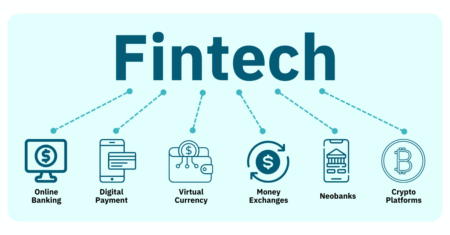
E-commerce cannot thrive without payment solutions. South Africa’s fintech space is booming, with mobile payment platforms and digital wallets expanding access.
Entrepreneurs can build businesses in secure payments, buy-now-pay-later (BNPL), and micro-credit services linked to online retail. As more South Africans shop online, fintech solutions will capture an even larger share of the market.
👉 Related: Tourism and Hospitality Business Opportunities in South Africa
6. Cross-Border & Diaspora E-Commerce
The South African diaspora represents millions of potential customers abroad who crave African products — from crafts to food and textiles. Entrepreneurs can build online shops that target both local buyers and diaspora consumers abroad.
Platforms that ship South African wine, clothing, or crafts internationally can build strong brands while connecting the country to the global marketplace. This is where digital business intersects with cultural pride.
Challenges in South African E-Commerce
- Delivery delays and logistics inefficiencies in rural areas.
- High competition in urban markets from big players.
- Trust barriers with online transactions.
- Load shedding (power outages) disrupting some online retail operations.
Still, these challenges are opportunities in disguise for entrepreneurs who can innovate around them.
Conclusion
From fashion and electronics to food delivery and cross-border trade, the e-commerce and online retail business opportunities in South Africa are vast and growing. With mobile-first adoption, an expanding middle class, and untapped niches, this sector offers entrepreneurs and diaspora investors some of the fastest-growing, highest-potential business ideas on the continent.
For those ready to step into digital entrepreneurship, South Africa is a market full of challenges, but even more full of promise.
👉 Helpful guide: Mobel App Development Business Opportunities in South Africa