

At Africa Growth Forum, we spotlight the investment and digital-economy opportunities transforming the continent. South Africa stands at the center of that story — a nation whose advanced infrastructure and diverse industries continue to attract investors and diaspora entrepreneurs alike. In this 2025 outlook, we explore why South Africa remains one of Africa’s most dynamic business hubs, the sectors driving new growth, and what investors should consider when entering the market.
In this 2025 outlook, we explore why South Africa remains one of Africa’s most dynamic business hubs, the sectors driving new growth, and what investors should consider when entering the market.
South Africa has long been one of Africa’s most dynamic economies. With its advanced infrastructure, diversified industries, and regional influence, the country continues to attract entrepreneurs and investors. For anyone exploring business opportunities in South Africa, 2025 offers both new prospects and long-standing sectors ready for growth. This guide explores why the nation remains a hub for investment, the industries with the greatest potential, and the challenges to consider when entering the market.

Why South Africa is a Prime Business Destination
South Africa combines maturity and potential. It offers the continent’s most sophisticated financial system, robust legal structures, and access to a consumer market of over 60 million people. At the same time, emerging industries in renewable energy, ICT, and agro-processing are reshaping its economic landscape.
For global and diaspora entrepreneurs, the country is also a gateway to the Southern African Development Community (SADC), connecting businesses to a regional market of more than 300 million. With government reforms, incentive programs, and Africa-wide integration through the AfCFTA, the outlook for South Africa business investment remains strong. (World Bank – South Africa Overview).
Best Sectors for Business Opportunities in South Africa
1. Agriculture and Agro-Processing
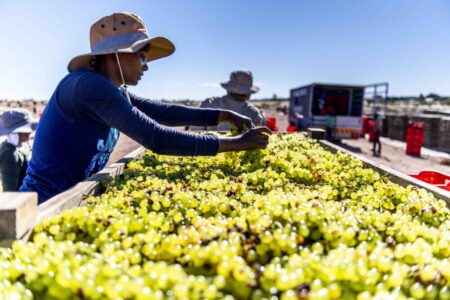
Agriculture has anchored South Africa’s economy for decades. From wine and citrus exports to maize and livestock, the sector is critical for both local consumption and trade. In recent years, agriculture business opportunities in South Africa have expanded through agro-processing — transforming raw produce into high-value goods such as packaged foods, juices, and wines.
For small and medium enterprises, farming and food ventures remain some of the most practical small business opportunities in South Africa. With new technologies in irrigation, cold storage, and logistics, entrepreneurs can scale faster and tap into global demand. According to the South African Government Agriculture Department, agriculture employs nearly 900,000 people and contributes significantly to GDP.
For diaspora investors, agriculture offers a way to build wealth while feeding nations. Investing in modern farming, agro-processing, and export cooperatives connects global capital to local value creation — turning Africa’s fertile land into sustainable prosperity.
➡ Read more: Agriculture and Agro-Processing Business in South Africa
2. Renewable Energy
South Africa’s energy shortages — particularly load-shedding — have accelerated demand for alternative energy sources. Since 2013, the country has added over 6,000 MW of renewable energy capacity, mostly from solar and wind. Government programs such as the Renewable Energy Independent Power Producer Procurement Programme (REIPPPP) continue to create incentives for private sector investment.
Solar farms, wind projects, battery storage, and the emerging green hydrogen market represent some of the fastest-growing investment opportunities in South Africa. Businesses that can deliver scalable solutions in renewable energy South Africa will remain vital to the country’s long-term energy stability.
The energy transition is one of Africa’s biggest opportunities. Diaspora investors can fund solar farms, battery storage, and green-hydrogen projects that cut carbon emissions, create jobs, and secure long-term returns in South Africa’s growing clean-power economy.
➡ See the Solar Energy Business in South Africa guide for entry models and financing routes.
3. Real Estate and Housing
Urbanization, population growth, and housing shortages make real estate one of the most reliable industries for long-term investors. While Johannesburg and Cape Town continue to lead in luxury and commercial property, new developments in Durban are reshaping its skyline. Along the eastern coast, from Gordon’s Bay up toward Durban, mixed-use housing complexes, resorts, and eco-friendly estates are flourishing.
These expansions are creating strong real estate investment South Africa opportunities across the income spectrum. Developers focused on affordable housing are especially well-positioned as demand surges among the middle class.
Investing in housing allows the diaspora to turn capital into communities. Affordable-housing projects, student rentals, and smart-city developments meet real demand while producing steady income and long-term appreciation.
➡ Explore Real Estate and Infrastructure Business in South Africa for regional trends and zoning data.
4. Tourism and Hospitality
Tourism accounts for a significant share of GDP, fueled by iconic attractions such as Table Mountain, Kruger National Park, and the Garden Route. Entrepreneurs are finding profitable business opportunities in South Africa through eco-tourism, adventure tours, boutique guesthouses, and cultural travel experiences.
Post-COVID recovery strategies, including government campaigns and visa policy updates, are further boosting arrivals. The sector remains resilient, offering consistent returns for both small operators and larger hospitality investors.
According to South Africa’s Department of Tourism, the sector supports over 1.5 million jobs and contributes more than 3% of GDP. With new campaigns to promote cultural and eco-tourism, hospitality continues to offer consistent growth potential.
Tourism gives the diaspora a chance to tell Africa’s story through business. Boutique hotels, eco-lodges, and cultural-tour ventures can earn reliable income while preserving South Africa’s natural beauty and heritage.
➡ Read our Tourism and Hospitality Business in South Africa overview.
5. Financial Services and Fintech
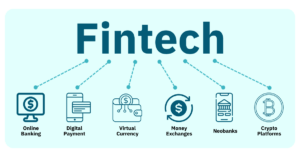
South Africa is home to Africa’s most advanced financial markets. Established banks and insurance companies provide stability, while fintech startups are innovating with mobile payments, lending platforms, and blockchain solutions.
The growth of ICT business in South Africa is closely tied to fintech. Startups are solving real-world challenges in access to finance, and larger institutions are increasingly open to collaboration. This creates a fertile environment for investors exploring South Africa business investment in digital finance. The African Development Bank reports that South Africa is one of the top three African ecosystems for fintech and digital innovation.
Fintech is transforming how Africans move and multiply money. Diaspora investors can back digital-finance startups that simplify remittances, unlock credit for SMEs, and integrate Africa more deeply into global markets.
➡ ➡ Deep dive: Financial Services and Fintech in South Africa
Learn more in Mobile App Development Business Opportunities in South Africa.
(Source: African Development Bank)
6. Manufacturing and Industrialization
South Africa is Africa’s industrial hub, producing automobiles, processed foods, and textiles at global standards. Manufacturers benefit from trade agreements and the African Continental Free Trade Area (AfCFTA), which expands export potential.
Government-backed Special Economic Zones (SEZs) offer tax incentives and infrastructure support, particularly in coastal provinces. Details of SEZ benefits can be found on the Department of Trade, Industry and Competition (DTIC). With rising demand for locally made goods and supply chain diversification, manufacturing South Africa remains a high-value path for both foreign and domestic investors.
By investing in local production, the diaspora helps shift South Africa from importer to exporter. Partnerships in manufacturing and value-added processing strengthen supply chains, create skilled jobs, and build regional competitiveness.
➡ Learn more in Manufacturing and Industrialization in South Africa
7. Waste Management and Recycling
South Africa produces over 100 million tons of waste annually — a challenge that has evolved into a multi-billion-rand opportunity. The government’s National Waste Management Strategy (NWMS) encourages private-sector participation and innovation in recycling, waste-to-energy, and circular-economy ventures.
Entrepreneurs are finding success in transforming plastic, glass, and e-waste into new materials for packaging and construction. Others are introducing small-scale biogas systems that convert organic waste into clean energy for factories and farms.
Green enterprise is the future of African industry. Diaspora investors can fund recycling and waste-to-energy businesses that generate profits while protecting South Africa’s environment and communities.
➡ Complement with Waste Management and Recycling Business in South Africa for circular-economy angles.
8. Mining and Natural Resources
Mining has historically defined South Africa’s economy, and it still contributes significantly. The country leads the world in platinum production and remains a top player in gold, diamonds, and coal.
Beyond extraction, ancillary services present scalable mining opportunities South Africa — including equipment supply, logistics, safety technologies, and environmental rehabilitation services. For entrepreneurs, these niches often require less capital than traditional mining while offering steady demand. The Council for Geoscience reports that mining still makes up around 8% of GDP and remains a critical source of foreign exchange.
South Africa’s mineral wealth still underpins its economy. Diaspora investors can champion responsible mining, refining, and mineral-tech ventures that preserve resources and share benefits more equitably.
➡ Explore Mining and Natural Resources Business in South Africa
9. Telecommunications and ICT
With mobile penetration exceeding 90% and rapid 5G rollout, the telecom sector is among the most advanced in Africa. Coupled with investments in data centers and cloud services, the digital economy is accelerating.
E-commerce, app development, and digital infrastructure are fueling ICT business in South Africa. Entrepreneurs can seize opportunities in online marketplaces, digital payment systems, and cybersecurity services. According to the Independent Communications Authority of South Africa (ICASA), mobile data consumption has doubled in the past five years, creating more demand for digital services.
Digital connectivity is the backbone of Africa’s future. Diaspora entrepreneurs can invest in broadband, cloud, and data-security infrastructure that powers innovation and expands digital access across the continent.
➡ See Telecommunications and ICT Business in South Africa
10. Mobile App Development
The mobile-app industry is at the heart of South Africa’s digital transformation. Tech clusters in Cape Town, Johannesburg, and Durban are producing fintech, logistics, and e-learning apps that reach users across the continent. Programs such as the Innovation Hub, Silicon Cape Initiative, and national Digital Skills training provide funding and mentorship for emerging developers.
Startups are tackling everyday challenges — from mobile payments for informal traders to delivery tracking for SMEs. Investors are also exploring partnerships with universities and coding academies to source talent.
Africa’s mobile market is exploding — and South Africa leads in tech talent. Diaspora innovators can co-create mobile apps in fintech, logistics, and education that solve real problems and scale regionally.
➡ See the Mobile App Development Business Opportunities in South Africa analysis for market entry options.
11. Infrastructure and Construction
Ongoing infrastructure projects South Africa are central to its development agenda. Major investments in railways, ports, highways, and energy grids are being implemented through public-private partnerships.
At the same time, private construction firms are seeing rising demand for housing, office spaces, and industrial facilities. Entrepreneurs and contractors entering the construction space can find steady business opportunities in South Africa across both public and private sectors.
The National Treasury’s Infrastructure Fund highlights that over R100 billion has been committed to new projects, unlocking opportunities for contractors, suppliers, and investors. This makes infrastructure one of the most stable long-term business opportunities in South Africa.
Infrastructure investment lays the groundwork for everything else. Diaspora capital can co-finance transport, housing, and energy projects that drive inclusive growth and connect communities across South Africa.
➡ Visit Infrastructure and Construction Business in South Africa
12. Logistics and Delivery
South Africa handles more than 60 % of southern Africa’s freight traffic, positioning it as the region’s logistics powerhouse. Modernization of Durban and Cape Town ports, road-rail corridors, and customs systems under the AfCFTA is creating lucrative opportunities for logistics firms and SME transport providers.
As e-commerce grows, last-mile delivery and cold-chain logistics for agricultural exports are emerging as high-demand niches. Entrepreneurs are adopting GPS-enabled fleet management, warehousing automation, and digital tracking platforms to improve efficiency and transparency.
Efficient logistics unlock trade. Diaspora investors can modernize fleet systems, warehousing, and delivery platforms that strengthen South Africa’s role as a continental distribution hub under the AfCFTA.
➡ Learn how SMEs benefit in Logistics and Delivery Business in South Africa.
13. Production and Light Industry
Light manufacturing and small-scale production remain accessible entry points for entrepreneurs. Food processing, consumer goods packaging, and local textiles have consistent demand.
South Africa’s relatively strong logistics and transport networks make it easier to scale small production businesses and integrate into regional supply chains. For small businesses, this is one of the most practical investment opportunities in South Africa (AfDB – SME Growth in Africa).
Supporting light manufacturing helps small businesses grow into exporters. Diaspora partnerships can provide financing, equipment, and global-market access that turn local production into regional value chains.
➡ Explore Production and Light Industry in South Africa
14. E-Commerce and Online Retail
E-commerce is one of South Africa’s fastest-growing sectors, driven by affordable data, digital payments, and a mobile-first consumer culture. Platforms like Takealot, Superbalist, and Shoprite Sixty60 have reshaped buying habits, while thousands of SMEs are building online storefronts through Shopify, WooCommerce, and WhatsApp Business.
Under the AfCFTA, cross-border e-commerce is opening new export routes for South African retailers. Entrepreneurs can now reach customers in Namibia, Botswana, and Kenya through local fulfillment partnerships.
Digital trade is rewriting the rules of commerce. Diaspora-led platforms and fulfillment ventures can connect South African products with global buyers, creating income streams and brand visibility abroad.
➡ For startup ideas, see E-Commerce and Online Retail Business in South Africa
15. Fashion, Creative and Cultural Industries
South Africa’s creative economy is booming — from Cape Town’s design studios to Johannesburg’s film and fashion scenes. The Department of Trade, Industry and Competition (dtic) now supports export promotion for film, music, and apparel through its Creative Industries Export Strategy.
Designers are gaining international attention for Afro-contemporary brands showcased at South African Fashion Week, while filmmakers are collaborating with Netflix and Showmax to produce globally distributed content.
Investing in creativity is investing in identity. Diaspora backers can fund films, fashion, and cultural exports that redefine how the world sees Africa — generating both influence and income.
➡ Explore Fashion and Creative Industry Business in South Africa.
16. Education and Skills Training
Education and workforce development are critical as South Africa faces one of the continent’s highest youth-unemployment rates. The government’s National Skills Development Plan and TVET modernization initiatives aim to equip millions with technical and digital capabilities aligned with market demand.
Private education providers and ed-tech startups are expanding rapidly — offering online training in coding, construction, renewable energy, and entrepreneurship. Partnerships between corporations and training institutions are also improving job-placement outcomes.
Knowledge is the most powerful investment. Diaspora educators and investors can build training centers and e-learning programs that equip South Africa’s youth for digital-age careers and entrepreneurship.
➡ See Education and Skills Training Business in South Africa.
Challenges and Risks
While the spectrum of business opportunities in South Africa is wide, investors should remain aware of risks. Load-shedding continues to impact productivity. Policy uncertainty and currency fluctuations can affect profitability. Social inequalities also influence consumer demand.
Mitigation strategies include building strong local partnerships, diversifying revenue streams, and planning for long-term resilience.
Government Incentives and Support
The government provides several incentives to attract business:
- Special Economic Zones (SEZs): tax and infrastructure benefits for manufacturers.
- Independent Power Producer Program (IPP): renewable energy tenders.
- Small Enterprise Development Agency (SEDA): grants, mentorship, and SME support.
- Black Industrialists Scheme (BIS): financing and support for local entrepreneurs.
➡ For a detailed breakdown of these policies, see our Navigating Investment Laws and Incentives in South Africa guide, which explains eligibility criteria, application processes, and compliance requirements for both domestic and foreign investors.
Final Thoughts: South Africa’s Outlook for 2025
South Africa remains a cornerstone of African growth. With its combination of advanced infrastructure, emerging industries, and regional access, the country continues to be a prime target for entrepreneurs.
From agriculture and energy to real estate, manufacturing, and digital services, the range of business opportunities in South Africa is extensive. For investors who act strategically, 2025 is a year to build not just locally but across the continent.
As the global economy shifts, those who recognize the depth of investment opportunities in South Africa will be well-positioned to scale sustainably, innovate regionally, and lead globally, achieving national success and influencing the entire African continent.
Members of the African diaspora will find dedicated programs and partnership options in Investment Opportunities for the African Diaspora in South Africa.
📘 Related Investment Insights on Africa Growth Forum
• The Role of the Johannesburg Stock Exchange
• South Africa’s Resilient Market: Ready for Investment
• Top Investment Sectors in South Africa