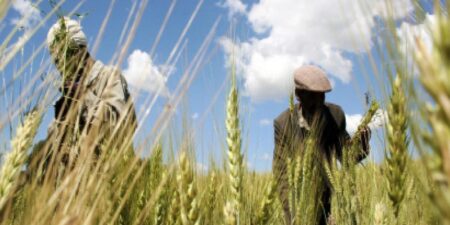




Egypt’s agriculture has always been tied to the Nile, but today it is undergoing one of the largest transformations in Africa. Massive land reclamation projects in the Western Desert, government-backed irrigation modernization, and rising private investment are reshaping the sector. Agriculture contributes about 11–12% of GDP and employs nearly a quarter of the population. Yet the real story for investors is not subsistence farming on the Nile Valley — it is agribusiness models that combine technology, export orientation, and value-added processing. For entrepreneurs, the most compelling agriculture business opportunities in Egypt lie in leveraging scale, logistics, and geographic positioning to serve both domestic and global markets.
The Promise: Scale, Geography, and Policy
- Large Domestic Market: Egypt’s population exceeds 110 million, with demand for cereals, dairy, poultry, and horticulture rising steadily.
- Export Gateway: Egypt’s geographic position gives access to Europe, the Middle East, and Africa — with short shipping times for fresh produce.
- High-Value Crops: Citrus, grapes, pomegranates, onions, and potatoes dominate exports, with Egypt among the world’s top citrus exporters.
- Policy Backing: Programs like the 1.5 Million Feddan Project are expanding cultivated land in desert areas, backed by infrastructure investment.
- Water-Smart Initiatives: Government and donors are financing drip irrigation, water recycling, and desalination to combat water stress.
The Pain Points: Structural Frictions
- Water Scarcity: Egypt depends on the Nile for over 90% of its freshwater. Rising demand and upstream pressures (e.g., Ethiopia’s GERD dam) amplify vulnerability.
- Fragmented Land Holdings: Smallholder dominance complicates scaling and traceability, though reclamation projects offer new aggregation opportunities.
- Input & Mechanization Gaps: Fertilizer, seed, and mechanization access remains uneven, especially for smaller producers.
- Post-Harvest & Cold Chain: Losses in perishable crops (vegetables, fruit, dairy) remain high due to limited cold storage and processing infrastructure.
- Policy Volatility: Subsidy reforms, shifting export bans, and bureaucratic hurdles can disrupt agribusiness planning.
The Business Angles: Where Opportunities Lie
1. High-Value Horticulture for Export
Egypt’s citrus industry is already world-class. Expanding into table grapes, berries, and pomegranates with cold chain and compliance services offers high returns. Exporters who invest in GLOBALG.A.P. certification and residue testing gain premium access to EU and Gulf markets.
2. Controlled-Environment Agriculture
Greenhouses and vertical farms near Cairo and Alexandria are scaling. Demand for high-quality tomatoes, cucumbers, peppers, and herbs is growing among urban consumers and export buyers.
3. Dairy and Poultry Integration
Egypt’s dairy sector is modernizing, with demand for packaged milk, yogurt, and cheese rising. Integrated poultry chains (breeding, feed, processing) are scaling to reduce reliance on imports.
4. Desert Farming & Irrigation Tech
The government’s land reclamation programs open opportunities for irrigation service providers, desalination systems, and solar-powered pumps. Investors can anchor on reclaimed land projects to pilot scalable desert agribusiness.
5. Agro-Processing & Food Manufacturing
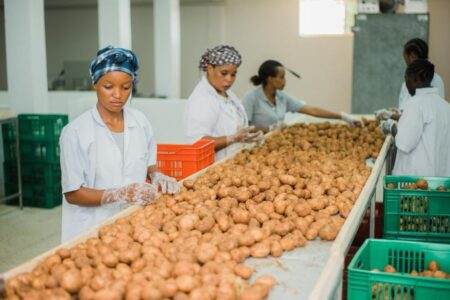
Processing facilities for juice, frozen vegetables, tomato paste, and ready-to-eat foods are undersupplied relative to Egypt’s raw material production. Domestic consumption and export both support this angle.
6. Logistics & Cold Chain Infrastructure
Investments in packhouses, reefer transport, and storage hubs near ports like Damietta and Alexandria can capture value lost in post-harvest inefficiency.
The Investor Lens: Structuring for Scale
- Anchor on Exports: Build models around EU, Gulf, and African demand where price premiums are higher and currency hedging is easier.
- Bundle Technology + Finance: Pair drip irrigation, greenhouses, and mechanization with supplier credit or leasing to increase adoption.
- Leverage Clusters: Target Western Desert and reclaimed land projects where large-scale infrastructure reduces fragmentation risks.
- Integrate Cold Chain: Don’t just produce — manage post-harvest handling to preserve margins.
- Diversify Water Sources: Use desalination, recycling, and precision irrigation to mitigate Nile dependence.
Conclusion: From Nile Farming to Desert Agribusiness
Egypt’s agriculture is no longer just the story of the Nile Valley. It is shifting toward large-scale desert reclamation, export-oriented horticulture, controlled-environment farming, and agro-processing hubs. The promise — huge domestic demand, geographic advantage, and policy support — is matched by the pain points of water stress, infrastructure gaps, and policy volatility.
The winners in agriculture business in Egypt will be those who embrace technology, control post-harvest systems, and align with export and urban market demand. In short, Egypt’s agricultural opportunity lies in building value chains, not just farms.