



Africa in 2025 is a continent in motion. Its population is the youngest and fastest growing in the world. Urban centers are expanding, trade is rising under the African Continental Free Trade Area (AfCFTA), and digital technologies are leapfrogging old systems. These shifts create enormous business opportunities in Africa — but they also expose structural gaps that entrepreneurs and investors must solve.
What sets successful businesses apart is not just chasing growth but recognizing the friction points holding sectors back and building solutions around them. This guide looks at the promise of Africa’s leading industries, the pain points holding them back, and the business angles where opportunities lie.
1. Agriculture & Agribusiness
-
Promise: Agriculture contributes over $400 billion annually to Africa’s GDP and employs more than half the workforce. Countries like Ghana, Ethiopia, and Kenya dominate cocoa, coffee, and horticultural exports. Rising global demand for food and organics keeps the sector strong.
-
Pain Point: Only 10% of farmland is irrigated, and post-harvest losses reach up to 40% due to poor cold storage and logistics. Farmers often lack financing and market access.
-
Business Angle: Agritech solutions for irrigation, farm financing apps, cold chain logistics, and food processing ventures can capture value and reduce losses. Investors who modernize Africa’s agricultural backbone stand to scale quickly.
2. Renewable Energy
-
Promise: Africa holds 60% of the world’s best solar resources. Countries like Kenya, South Africa, and Morocco already export clean energy and plan to expand. Demand is huge: urbanization and industrialization are straining outdated grids.
-
Pain Point: More than 600 million Africans lack reliable electricity access. Grid systems are old, blackouts are common, and rural areas remain underserved.
-
Business Angle: Off-grid solar, mini-grids, battery storage, and green hydrogen projects offer scalable opportunities. Startups in pay-as-you-go energy are already proving profitable and socially impactful.
3. Real Estate & Housing
-
Promise: Africa’s cities are projected to double in size by 2050. Housing demand grows by about 3.5 million units annually, with strong appetite from diaspora investors.
-
Pain Point: The housing deficit exceeds 50 million units. Mortgage financing remains out of reach for most, and construction costs are high due to imported materials.
-
Business Angle: Affordable housing construction, prefabricated building technologies, and fintech platforms that let diaspora finance projects directly offer a huge untapped market. Commercial real estate in cities like Nairobi, Lagos, and Kigali is also expanding rapidly.
4. ICT & Digital Economy
-
Promise: Africa is home to 600 million internet users and some of the fastest-growing mobile penetration rates in the world. Fintech unicorns in Nigeria and Kenya have attracted global investors.
-
Pain Point: Internet access remains uneven (urban vs rural), online payment adoption is limited, and logistics for e-commerce are weak.
-
Business Angle: Fintech platforms for small businesses, rural connectivity projects, logistics startups, and data hosting services are high-demand areas. The ICT business in Africa is moving beyond payments into education, healthcare, and governance tech.
5. Mining & Natural Resources
-
Promise: Africa produces 70% of global cobalt, 60% of manganese, 40% of platinum, and has vast gold, copper, and oil reserves. Global energy transition creates fresh demand for critical minerals.
-
Pain Point: Most minerals are exported raw, with little local processing. Communities see few benefits, and environmental costs are rising.
-
Business Angle: Value addition through local smelting and refining, green mining technologies, and support services (logistics, equipment, environmental compliance) are all growing spaces.
6. Infrastructure & Logistics
-
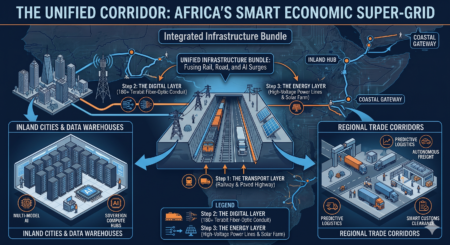
Promise: Intra-African trade surged 12.4% in 2024, hitting $220 billion. AfCFTA could boost trade by 50% in the next decade.
-
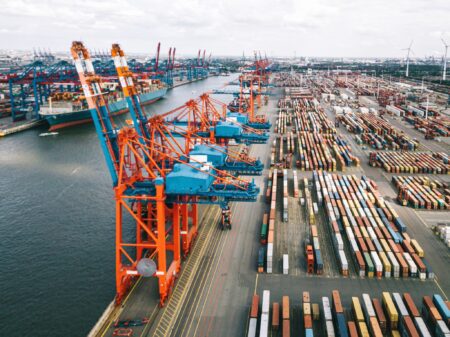
Pain Point: Goods still take an average of 15 days to clear African ports (vs 3–5 days globally). Truckers spend up to 72 hours at borders like Nigeria-Benin. Corridors such as the Northern Corridor (Uganda–Rwanda–DRC to Kenya’s Mombasa) operate far beyond designed capacity.
-
Business Angle: Logistics startups digitizing customs, modern trucking fleets, bonded warehouses, and infrastructure PPPs offer huge upside. Solving Africa’s transport choke points is one of the biggest business opportunities in Africa.
7. Tourism & Hospitality
-
Promise: Africa welcomed 70 million+ tourists annually pre-COVID, with recovery accelerating. Diverse attractions include Morocco’s cities, Kenya’s safaris, and Rwanda’s eco-tourism.
-
Pain Point: Visa restrictions, safety perceptions, and inconsistent infrastructure limit growth. Travelers spend 30–40% more in Asia due to smoother services.
-
Business Angle: Eco-lodges, regional booking platforms, intra-African travel packages, and conference tourism facilities are growing niches. Rwanda’s conference industry and Kenya’s coastal resorts are models for future expansion.
8. Manufacturing & Industrialization
-
Promise: Countries like Ethiopia, Egypt, and Morocco are rising industrial hubs, with SEZs offering tax breaks and infrastructure. Labor costs remain competitive.
-
Pain Point: Energy shortages, import dependence for inputs, and infrastructure bottlenecks slow growth.
-
Business Angle: Light manufacturing (textiles, footwear, electronics), agro-processing, automotive assembly, and pharmaceuticals are high-potential areas, especially in SEZs and free zones.
Conclusion
Africa’s business story is one of dual realities: enormous promise alongside persistent pain points. But this duality is precisely what makes it so compelling. Each friction point signals a business gap waiting to be solved.
For entrepreneurs and investors, the path to success lies in focusing on these gaps. Whether it’s reducing post-harvest losses in agriculture, unlocking off-grid solar, streamlining logistics at borders, or building affordable housing, the opportunities are vast.
As 2025 unfolds, the real winners will be those who don’t just see Africa as a continent of potential, but as a continent of problems to solve and markets to build. That’s where the greatest business opportunities lie.
Additional Reading