

Rwanda this week plays host to MWC Kigali, the flagship African edition of the global Mobile World Congress (MWC) — one of the most influential gatherings for the connectivity, technology, and digital-innovation sectors.
The three-day event, taking place from October 21 to 23 at the Kigali Convention Centre, brings together policymakers, investors, startups, and corporate leaders under the theme of accelerating Africa’s digital transformation.
The MWC Kigali Africa digital transformation agenda focuses on three major pillars: advancing connectivity, scaling artificial intelligence (AI), and promoting inclusive economic growth through fintech and digital infrastructure.
A Turning Point for Africa’s Digital Future
MWC Kigali represents a turning point in how the continent approaches technology and innovation. For years, Africa’s digital economy was measured primarily in terms of mobile-phone penetration and network coverage. This year’s event moves beyond connectivity counts to focus on skills, innovation ecosystems, and applied technology that can drive Africa’s long-term competitiveness.
Organized by the GSMA in partnership with the Government of Rwanda and Smart Africa, the conference aims to catalyze actionable commitments for digital inclusion, regional data integration, and AI adoption.
According to the GSMA, Africa’s mobile industry already contributes over 8 percent of the continent’s GDP, employing millions across the telecom, fintech, and digital-service sectors. The challenge now is to leverage that foundation into a smart, AI-powered economy capable of creating high-value jobs and scalable innovation.
AI Transformation and Digital Skills
One of the dominant themes at MWC Kigali Africa digital transformation is the rapid rise of artificial intelligence and its potential to bridge gaps in healthcare, agriculture, and education. AI is emerging not as a replacement for human labor but as a multiplier of efficiency and opportunity across industries.
Rwanda, Kenya, Nigeria, and South Africa are all developing national AI strategies, aiming to ensure that algorithms and data serve Africa’s priorities rather than replicate global biases. Through partnerships with universities and incubators, these initiatives focus on training developers, data scientists, and engineers to build solutions rooted in African realities.
Digital-skills development remains central to this effort. The World Bank’s Digital Economy for Africa Initiative estimates that the continent needs more than 230 million digital jobs by 2030 to keep pace with population growth and economic expansion. Events like MWC Kigali therefore double as recruitment grounds, connecting employers with Africa’s next generation of digital talent.
Fintech Innovation and Economic Transformation
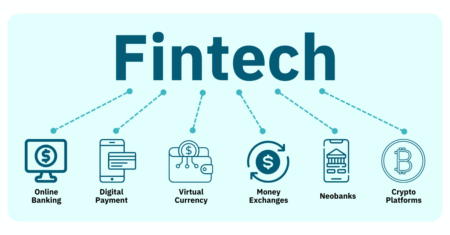
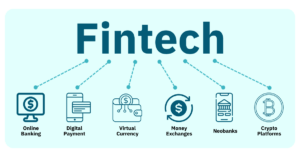
Fintech continues to lead the charge in Africa’s technology ecosystem. With mobile-money transactions surpassing $800 billion annually, Africa remains the global leader in financial inclusion through digital innovation.
At MWC Kigali Africa digital transformation, fintech executives and central-bank officials are expected to discuss cross-border payment systems, digital-currency frameworks, and cybersecurity standards that can strengthen consumer protection and transparency.
Speakers from organizations such as the African Development Bank (AfDB), International Telecommunication Union (ITU), and World Economic Forum are highlighting the role of digital public infrastructure in reducing transaction costs and unlocking Africa’s $3 trillion AfCFTA market.
By scaling fintech integration, Africa can enhance capital mobility, empower small businesses, and accelerate the continent’s move toward a single digital market — one of the ambitions of the Smart Africa Alliance.
Connectivity: From Access to Impact
Connectivity remains the foundation of all digital progress. Africa’s mobile-broadband coverage has expanded rapidly, but affordability and reliability still limit access for millions. At MWC Kigali, telecom operators are unveiling plans for 5G rollout, fiber-optic expansion, and satellite connectivity to reach rural and underserved areas.
The GSMA Mobile for Development (M4D) program is also emphasizing climate-smart networks that minimize carbon footprints while maximizing resilience. These efforts complement Africa’s broader climate and sustainability commitments under the Agenda 2063 and Paris Agreement frameworks.
The transition from access to impact means ensuring that connectivity directly translates into productivity — enabling farmers to use smart-irrigation systems, students to attend online classes, and entrepreneurs to scale e-commerce ventures.
Rwanda’s Leadership in Digital Governance
Rwanda continues to position itself as a model for digital transformation on the continent. Through strategic public-private partnerships, the country has built one of Africa’s most advanced e-governance ecosystems.
Hosting MWC Kigali Africa digital transformation underscores Rwanda’s commitment to making technology an engine for inclusive growth. The government’s National Strategy for Transformation (NST1) emphasizes innovation, data-driven decision-making, and regional collaboration — principles reflected in the MWC platform.
President Paul Kagame’s administration has been widely recognized for prioritizing ICT as a key pillar of socioeconomic development, with ongoing investments in digital identity, online services, and youth entrepreneurship.
Collaboration and Regional Integration
A recurring message throughout MWC Kigali is that Africa’s digital future depends on collaboration and interoperability. Fragmented policies and uneven digital infrastructure continue to hinder regional progress.
Africa50, AfDB, and Smart Africa are calling for a continental approach that harmonizes regulatory frameworks and promotes data sharing across borders. Unified standards for cloud services, cybersecurity, and digital payments could enable Africa to achieve economies of scale similar to those seen in the European Union’s single market.
The event also provides a platform for startups to engage directly with policymakers and investors, ensuring that Africa’s digital growth remains both innovative and inclusive.
Conclusion
The MWC Kigali Africa digital transformation conference marks another milestone in Africa’s journey toward a connected, AI-driven economy. From high-level policy discussions to real-world applications, the event underscores a collective determination to ensure that digital progress benefits every African nation.
As the continent continues to invest in broadband, fintech, and artificial intelligence, events like MWC Kigali demonstrate that Africa is not merely catching up — it is charting its own digital destiny. The conversations held in Kigali will echo far beyond the conference halls, shaping how Africa connects, innovates, and competes in the decades ahead.