

The Democratic Republic of the Congo (DRC) is reshaping how Africa’s mineral wealth is valued and managed. Through a new wave of export regulations, the country aims to capture more economic benefit from its vast reserves of cobalt, copper, and other critical minerals — the lifeblood of the global clean-energy transition.
Once known primarily as a supplier of raw materials, the DRC is now asserting control over how those materials leave its borders. The result is a bold policy experiment that could redefine the balance between foreign investment and local value creation across Africa’s mining landscape.
From Extraction to Transformation
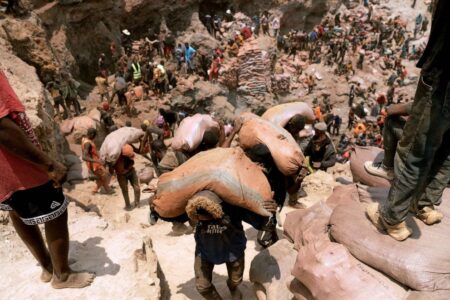
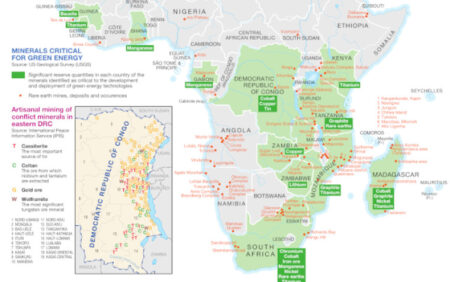
In 2025, the DRC supplies roughly 70% of the world’s cobalt and significant shares of copper and lithium. These resources are essential for batteries, electric vehicles (EVs), and renewable-energy storage systems. For years, most Congolese minerals were exported in raw form to refineries in China and elsewhere.
That model is beginning to change. The DRC government’s new export quotas and licensing restrictions now require miners to process a larger portion of production domestically before export. The goal is to promote local refining, employment, and tax retention — converting extraction into transformation.
By tightening export approvals, the state aims to ensure that global demand translates into domestic industrial growth rather than capital flight.
Policy Drivers Behind the Shift
Three forces explain this transformation:
- Economic Sovereignty:
After decades of dependency on foreign refiners, the DRC seeks to strengthen fiscal stability and diversify away from single-commodity exports. - Sustainable Development:
The government is linking mining reforms to ESG standards — requiring companies to demonstrate environmental compliance and fair-labor practices. - Strategic Leverage:
As the world races toward electrification, the DRC recognizes that control over critical minerals equals bargaining power. Export policies are becoming tools of industrial diplomacy.
These reforms have not been without friction. Some traders complain about shipment delays and licensing bottlenecks. Yet most analysts agree that the long-term effect will be higher in-country value retention and a stronger foundation for future industrialization.
Local Processing and Regional Integration
The DRC’s new policies are accelerating plans for local beneficiation hubs — industrial zones where ores are refined and semi-processed before export.
Partnerships with Zambia are key to this effort. Together, the two countries are developing a regional battery-precursor production initiative supported by the African Export-Import Bank (Afreximbank) and the African Development Bank (AfDB).
This initiative aims to build the first Africa-based value chain for EV batteries — positioning Central Africa as a global supplier of finished materials, not just raw inputs.
If successful, the DRC-Zambia partnership could become a blueprint for regional mineral cooperation across the continent.
Foreign Investment and Market Reaction
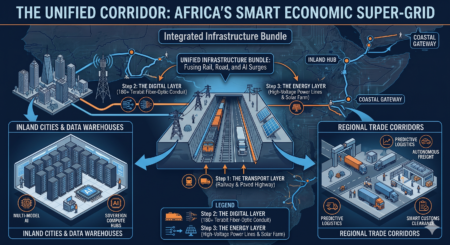
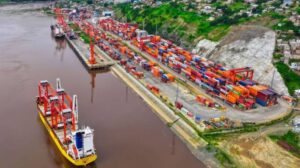
International miners and traders have responded cautiously but constructively. Chinese refineries, which rely heavily on DRC cobalt, are negotiating joint-venture agreements to expand processing capacity within Congo. Western firms, encouraged by the U.S.-EU-backed Lobito Corridor, are exploring logistics upgrades to support compliant mineral exports.
Market volatility remains high — cobalt prices surged nearly 20% earlier this year following temporary export delays — but long-term investor sentiment remains positive.
As one analyst told Africa Growth Forum, “These policies are disruptive in the short term, but they’re necessary if Africa is ever to industrialize around its own minerals.”
The Role of the African Diaspora
The DRC’s export reforms open fresh opportunities for diaspora investors. Congolese and pan-African entrepreneurs abroad are uniquely positioned to finance small-scale refining operations, logistics ventures, and technology transfer projects that meet new compliance standards.
By channeling diaspora capital into clean-mining technology, mineral certification, and ESG reporting, the next generation of African investors can bridge the gap between local policy ambition and global market demand.
This diaspora engagement transforms mining from a purely extractive activity into a development engine that uplifts communities and builds continental competitiveness.
Balancing Regulation and Growth
The DRC faces a delicate balancing act: attract foreign capital while asserting local control. Poorly implemented quotas risk discouraging investment, yet unchecked exports would forfeit national value.
Success will depend on transparent administration, public-private dialogue, and regional policy alignment. When managed well, the DRC’s approach can demonstrate how Africa’s resource wealth can fuel inclusive, sustainable growth.
Outlook: A Model for the Continent
The DRC’s export policies are more than bureaucratic reform — they represent a philosophical shift in how Africa views its minerals. Instead of exporting opportunity, the DRC seeks to export finished value.
If these reforms hold, the country could redefine what it means to be a global mining power: not just a supplier of materials, but a strategic architect of the clean-energy economy.