

"This operational profile serves as foundational field intelligence within our broader macroeconomic tracking network. To evaluate how these localized market variables, infrastructure pipelines, and regional trade dynamics integrate into a continent-wide roadmap for capital deployment, access our master thesis directly through our core document: The Architecture of Momentum Framework."
The Future of Africa’s Fastest Growing Economies
For decades, Africa’s economy has been marked by cycles of resilience, setbacks, and resurgence. After gaining independence in the mid-20th century, many African nations faced significant political and economic challenges. The sudden withdrawal of colonial powers created instability, leading to civil wars, internal conflicts, and economic stagnation. However, since the 1990s, Africa has entered a new phase of development and these nations, recognized as the fastest growing economies in Africa, are driving rapid development and attracting investors.
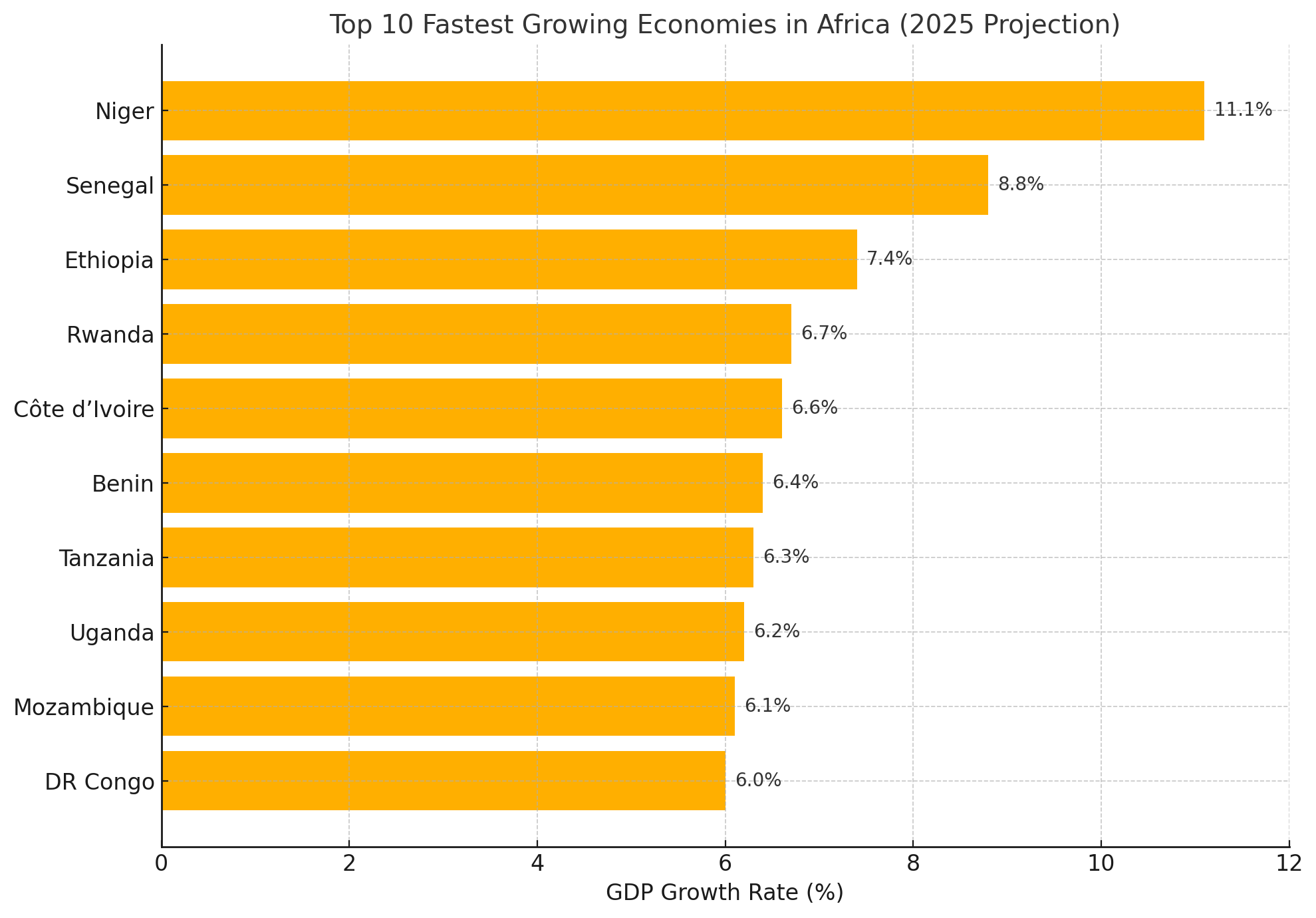
Leading the Charge: Fastest Growing Economies in Africa (2025)
Several African countries are setting the pace for economic growth, driven by strategic investments in infrastructure, energy, and technology. Here are five of the fastest-growing economies on the continent:
1. Ethiopia – Projected Growth: 7.5%
Ethiopia is leading Africa’s economic race, focusing on industrialization, agriculture, and energy. With major infrastructure projects like the Grand Ethiopian Renaissance Dam (GERD), the country is positioning itself as a regional energy hub. Ethiopia is also Africa’s largest coffee producer, with exports playing a crucial role in economic growth. Additionally, government investments in industrial parks, aviation, and manufacturing are attracting foreign investors and boosting exports.
2. Rwanda – Projected Growth: 7.2%
Rwanda has emerged as one of Africa’s greatest success stories. After the devastating 1994 genocide, the country underwent an extraordinary transformation, prioritizing political stability, digital innovation, and entrepreneurship. Today, Rwanda is a leader in smart city infrastructure, AI research, and drone technology for medical supply deliveries. With a strong focus on agri-business and sustainable farming, Rwanda’s government is ensuring food security while expanding trade opportunities.
3. Côte d’Ivoire – Projected Growth: 6.8%
Côte d’Ivoire, located in West Africa, has transitioned from being the world’s largest cocoa producer to a diversified economy with strong banking, manufacturing, and telecommunications sectors. Investments in urban transportation, such as the Abidjan Metro Project, and infrastructure expansion have made the country a financial hub for the region. Additionally, Côte d’Ivoire’s pro-business environment has led to significant foreign direct investment, further accelerating its growth.
4. Tanzania – Projected Growth: 6.5%
Tanzania is one of East Africa’s largest economies, leveraging its strategic location, natural resources, and tourism industry to drive growth. With attractions like Serengeti National Park and Mount Kilimanjaro, tourism is a key economic pillar. Meanwhile, the government’s $10 billion Standard Gauge Railway project aims to modernize regional trade and improve connectivity with neighboring nations. Tanzania’s growing agriculture and energy sectors also contribute significantly to its economic expansion.
5. Senegal – Projected Growth: 6.3%
Senegal is emerging as a rising economic powerhouse in West Africa, thanks to oil and gas discoveries, digital technology, and infrastructure investments. The Greater Tortue Ahmeyim LNG project is expected to double Senegal’s GDP in the coming years, turning the country into a major energy exporter. Additionally, initiatives like Dakar Tech City are promoting innovation, while investments in modern rail networks and deep-water ports are strengthening Senegal’s role in regional trade.
Beyond the Top Five: More African Nations on the Rise
While these five countries are making huge strides, they are not the only African countries experiencing rapid economic growth. Nations such as Kenya, Ghana, Nigeria, Egypt, and South Africa are not far behind and also making significant strides in infrastructure development, technological innovation, and industrial expansion.
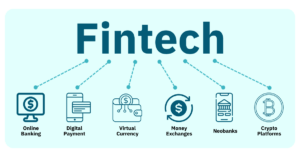
Kenya continues to be a leader in fintech and mobile banking, with innovations like M-Pesa revolutionizing financial access.
Ghana is attracting foreign investment in energy, manufacturing, and agribusiness, solidifying its position as a West African economic hub.
Egypt is rapidly expanding its industrial sector, with large-scale projects like the Suez Canal Economic Zone boosting trade and logistics.
South Africa, the continent’s most industrialized nation, remains a major player in mining, finance, and automotive production.
The Future of Africa’s Fastest Growing Economies
Africa’s economic transformation is just beginning. By embracing innovation, strengthening infrastructure, and fostering investment, these fast-growing nations are positioning themselves as major players in the global economy. However, challenges such as political instability, climate change, and income inequality must be addressed to sustain this growth.
As the fastest growing economies in Africa continue to expand, investors, businesses, and governments must work together to unlock the continent’s full economic potential.
📌 For more insights, visit: World Bank – Africa’s Growth Forecast
📌 Related: Economic Transformation in West Africa