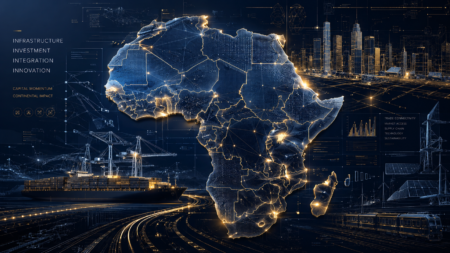
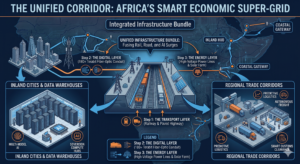


"This operational profile serves as foundational field intelligence within our broader macroeconomic tracking network. To evaluate how these localized market variables, infrastructure pipelines, and regional trade dynamics integrate into a continent-wide roadmap for capital deployment, access our master thesis directly through our core document: The Architecture of Momentum Framework."
When people hear the term GDP, they often imagine it as a single number — like a balance in a national bank account. But that view misses the true nature of economic activity. GDP is not money sitting somewhere — it’s a flow.
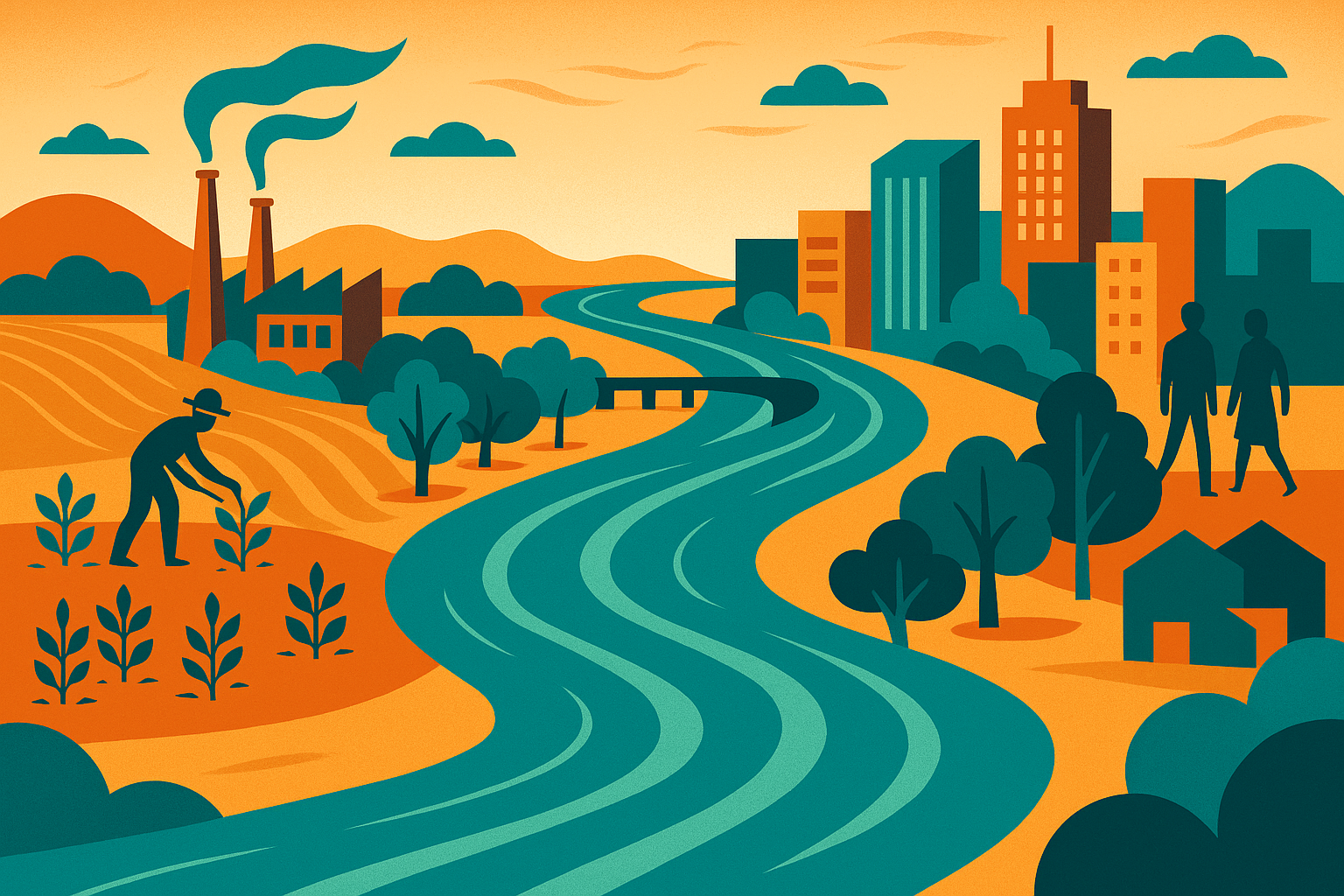
Think of it as a river, constantly moving through households, businesses, and governments. The faster and healthier the flow, the stronger the economy. In this article, we’ll explore why GDP is a river, not a bank account, and how understanding this flow reveals what really drives growth.
💡 What Is GDP?
Gross Domestic Product (GDP) measures the total value of goods and services produced within a country over a specific period — typically a year or a quarter.
However, GDP doesn’t measure wealth accumulation; it measures activity. It captures how money moves through an economy, not how much is stored.
🌊 GDP Is Like a River, Not a Bank Account
The myth of GDP as a stockpile leads many to think that growth simply means “more money.” In truth, GDP reflects how quickly and productively that money circulates.
1. Money Circulates through the Economy
GDP measures ongoing transactions, not static reserves.
Money flows through an economy in a circular system:
- Households earn wages and spend on goods and services.
- Businesses receive revenue and reinvest in production.
- Governments collect taxes and redistribute through spending.
Every dollar earned becomes someone else’s spending — just like water flowing downstream. If the flow slows or stops, economic growth weakens.
2. Money Spent Is Money Earned
When you buy something, the money doesn’t disappear — it becomes income for someone else. That person spends part of it again, creating a ripple effect of further activity.
Example: A construction worker earns wages for building homes, then spends part of that income at local shops and markets. Those shop owners, in turn, hire employees and restock inventory, keeping the economic river flowing.
3. Money Moves — It Doesn’t Sit Still
Unlike a bank account that stores savings, GDP measures flowing transactions. The amount of money moving through the system changes constantly based on spending, investment, and government policy.
When spending slows — as during recessions — the river narrows. When activity picks up, the current strengthens and GDP rises.
📊 GDP and the Flow of Economic Activity
To visualize this flow, imagine an interconnected river system:
- Households: Spend wages on food, housing, transport, and services.
- Businesses: Use income to pay workers, expand factories, or invest in innovation.
- Governments: Fund infrastructure, schools, and healthcare through tax revenue.
GDP growth means more goods and services are being produced and exchanged. It reflects speed and circulation — not wealth sitting idle.
Example: In Africa, when governments invest in renewable energy or public transport, GDP rises as thousands of workers, engineers, and suppliers participate in the economic flow.
🔄 Why GDP Isn’t the Same as Wealth
A country can have high GDP and still face inequality or poverty. That’s because GDP tracks activity, not ownership or fairness.
GDP is not wealth. Wealth depends on:
- Natural resources — minerals, energy, and land.
- Capital — factories, technology, and infrastructure.
- Household assets — property, savings, and investments.
Example: Nigeria’s GDP surged during oil booms, but much of that income flowed to foreign corporations and local elites rather than communities. The river flowed — but most of the water never reached the people who needed it most (IMF).
🌍 The African Perspective: Keeping the River at Home
For Africa and its global diaspora, understanding GDP as a flow helps explain why “growth” doesn’t always improve lives. Much of the value produced in African economies still flows outward — through resource extraction, foreign debt payments, and capital flight.
The solution: Build systems that keep the flow circulating locally.
That means:
- Strengthening regional trade (AfCFTA).
- Supporting local manufacturing and services.
- Attracting diaspora investment that stays in African markets.
When money flows within communities, not just through them, GDP growth translates into real prosperity.
🧠 Final Insight: GDP Flows, Wealth Grows
GDP is not a balance — it’s a motion. It represents the heartbeat of economic life, showing how value moves, changes hands, and multiplies.
A growing GDP doesn’t automatically mean a richer nation — it simply means the river is flowing faster. What truly matters is where the current goes and who benefits from it.
By focusing on inclusive investment and sustainable development, nations can make sure the GDP river enriches everyone — not just the banks at its edges.
🔗 Explore More On This Topic
- What Really Grows the Economy?
- The Real Economy vs. the Elite Economy: Who Really Benefits?
- The Role of Debt in GDP: How Debt Can Inflate GDP Without Growing the Economy
- Why Cutting Government Spending Can Collapse the Economy
Stay Ahead of the Market Subscribe to our newsletter for the latest insights on African infrastructure and industrial policy.