

In today’s world, the myth of efficiency shapes nearly every discussion about economic growth. We’re told that higher productivity automatically leads to higher living standards. In theory, efficiency should mean doing more with less — giving workers more free time, higher wages, and better lives.
But in reality, the myth of efficiency often hides a harder truth: while output and profits rise, workers face longer hours, greater stress, and stagnant wages. This article explores why efficiency doesn’t always equal prosperity — and how we can redefine what real economic progress means.
⚙️ 1. The Efficiency Myth: More Work, Less Leisure
1.1 The Promise of Efficiency
Efficiency is often seen as the engine of progress — businesses produce more, and consumers enjoy cheaper prices. But the myth of efficiency ignores how those gains are distributed. In many industries, greater productivity simply increases expectations for workers without improving their quality of life.
1.2 Overwork: The Price of Efficiency
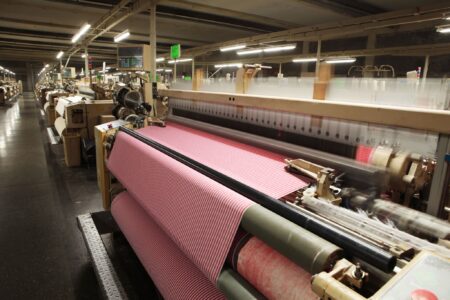
Automation and digital tools have made companies more efficient, but often at the expense of employees. Workers are expected to do more in less time — without a fair increase in wages or benefits.
Real-World Example: In the tech sector, employees now work longer hours as firms chase efficiency targets, leading to burnout rather than better living standards.
🌍 2. Globalization and the Myth of Efficiency
2.1 Globalization Expands Profits, Not Prosperity
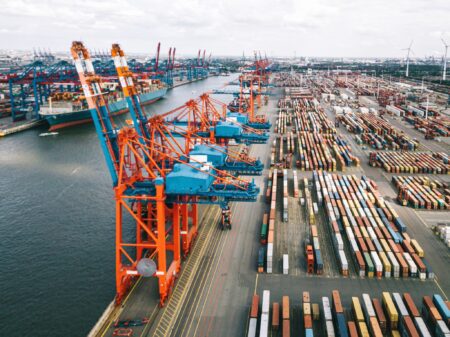
Globalization has helped multinational corporations cut costs and grow profits — but it’s also fueled inequality. Efficiency gains from global supply chains rarely reach workers, who face job displacement and lower job security.
Real-World Example: Offshoring manufacturing to cheaper labor markets increased corporate efficiency but devastated middle-class jobs in North America and Europe.
2.2 Workers’ Share Shrinks
Even as global GDP rises, wages lag behind productivity growth. Businesses focus on efficiency by cutting labor costs instead of rewarding workers for their output.
Real-World Example: Walmart’s efficient logistics have lowered consumer prices but kept wages low, enriching shareholders instead of employees (World Bank).
🤖 3. Automation: When Efficiency Costs Jobs
3.1 The Rise of Automation
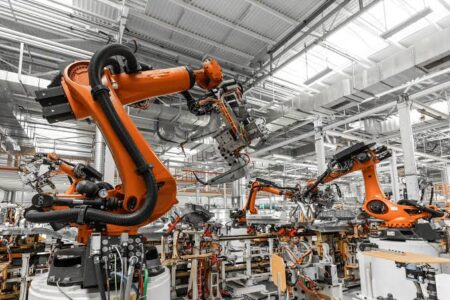
Automation boosts productivity but displaces millions of workers. As machines take over routine tasks, workers are pushed into lower-paying or temporary jobs.
Real-World Example: Robotics in manufacturing increased output but reduced stable employment, forcing many into precarious gig work (ILO).
3.2 The Myth of Full Employment
Automation’s supporters argue that new jobs replace the old — but those jobs often offer less pay and stability. The myth of efficiency assumes progress automatically benefits all, yet many workers are left behind.
🧠 4. The Real Impact of Efficiency on Well-Being
4.1 Increasing Work Intensity
Efficiency has made work faster but not easier. Many professionals now work longer hours and struggle to disconnect due to remote technologies and “always-on” expectations.
Real-World Example: The rise of email and smartphones has extended workdays for millions, increasing burnout and mental health issues (OECD).
4.2 Reclaiming Work-Life Balance
True economic growth must prioritize well-being, not just output. Governments and companies should promote flexible schedules, fair pay, and labor protections that make efficiency serve people, not exploit them.
🌱 5. Redefining Prosperity Beyond the Myth of Efficiency
Economic progress should be measured by human well-being — not just output per worker. Growth that relies solely on efficiency often enriches the few at the expense of the many.
To build inclusive economies, nations must focus on sustainable development, fair wages, and education. In Africa, this means channeling innovation toward job creation and equitable growth, ensuring the continent’s efficiency gains benefit all — including the African diaspora investing in new industries.
🧭 6. Conclusion: Rethinking the Myth of Efficiency
The myth of efficiency assumes that more productivity means more prosperity — but the evidence says otherwise. True prosperity isn’t measured by how much we produce, but by how well people live.
By rethinking efficiency, we can build an economy that values leisure, health, and equality alongside progress — one where workers share in the rewards of their labor.
🔗 Explore More On This Topic
The Real Economy vs. the Elite Economy: Who Really Benefits?
What Really Grows the Economy?