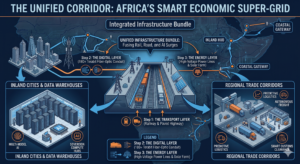

"This operational profile serves as foundational field intelligence within our broader macroeconomic tracking network. To evaluate how these localized market variables, infrastructure pipelines, and regional trade dynamics integrate into a continent-wide roadmap for capital deployment, access our master thesis directly through our core document: The Architecture of Momentum Framework."
Nigeria has taken a major step toward universal electricity access and sustainable industrial growth with the signing of $435 million in renewable energy investment deals. The agreements were finalized during the Nigeria Renewable Energy Innovation Forum 2025 in Abuja, representing one of the country’s largest coordinated commitments to clean energy expansion.
The deals, facilitated by the Rural Electrification Agency (REA) in partnership with several state governments, private investors, and development partners, aim to accelerate deployment of solar, wind, hydro, and hybrid systems nationwide.
Vice President Kashim Shettima, who officiated the signing, described the initiative as a cornerstone of Nigeria’s long-term power strategy. “These investments will not only expand access but also build the foundation for a renewable manufacturing hub that serves the entire African continent,” he said.
A Central Pillar of Nigeria’s Energy Transition
The Nigeria renewable energy investment 2025 deals align with the government’s vision to achieve 277 gigawatts (GW) of installed power capacity by 2060, positioning clean energy at the heart of national development.
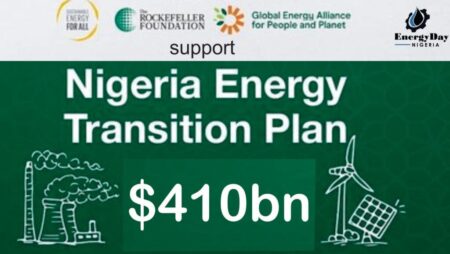
According to Vice President Shettima, Nigeria’s Energy Transition Plan (ETP) identifies an investment opportunity exceeding $410 billion between now and 2060. In the near term, about $23 billion is needed to connect millions of households that still lack reliable electricity access.
Shettima emphasized that Nigeria’s energy transition “requires more than financial investment — it demands innovation, local capacity, and long-term commitment to sustainable value chains.” The country’s new industrial strategy will anchor Africa’s energy transformation by localizing solar panel assembly, battery production, and green-tech manufacturing.
Expanding Access Through Decentralized Solutions
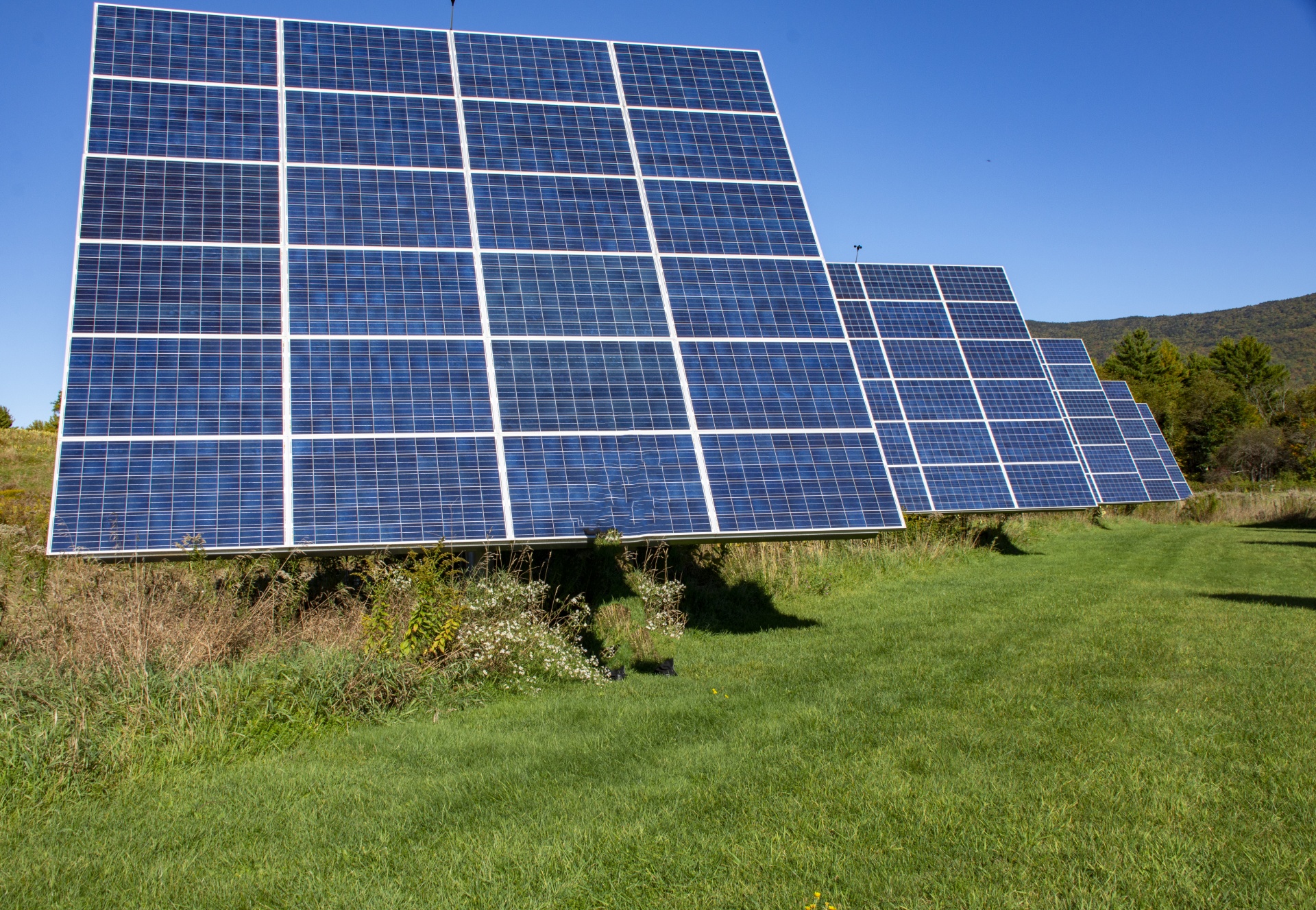
The Nigeria renewable energy investment 2025 portfolio includes both grid-connected and off-grid projects targeting rural communities, small enterprises, and industrial clusters. Through partnerships with development finance institutions and private developers, the deals will scale solar mini-grids, clean cooking solutions, and energy-efficient systems across underserved regions.
The Rural Electrification Agency (REA), which has spearheaded programs such as the Nigeria Electrification Project (NEP) and the Solar Power Naija initiative, will oversee implementation. The agency aims to deliver sustainable electricity access to 25 million people by 2030 through decentralized renewable systems.
By combining private-sector investment with public coordination, Nigeria is building a model for energy inclusion that can be replicated across sub-Saharan Africa.
Attracting Global and Local Investors
The new funding round underscores growing investor confidence in Nigeria’s renewable energy sector. Development partners including the African Development Bank (AfDB), World Bank, and International Renewable Energy Agency (IRENA) have highlighted Nigeria as a regional hub for climate finance and clean infrastructure.
The Nigeria renewable energy investment 2025 agreements are expected to create thousands of jobs through local component manufacturing, project construction, and maintenance. Investors will also benefit from the government’s tax incentives and import-duty waivers for renewable equipment under the National Renewable Energy and Energy Efficiency Policy (NREEEP).
In recent years, Nigeria has attracted record levels of green finance for solar mini-grids, electric mobility, and grid modernization projects — all crucial for diversifying the economy away from fossil fuels.
Building Local Capacity and Value Chains
Vice President Shettima emphasized that the energy transition must be homegrown. Beyond generating power, the government aims to build a full renewable-energy value chain, from production and storage to distribution and recycling.
Nigeria’s long-term goal is to localize up to 70 percent of renewable manufacturing inputs, including solar modules, inverters, batteries, and smart meters. To support this, the government is working with universities and vocational centers to expand renewable-energy training programs and technical certification schemes.
According to Shettima, “Sustainable transformation requires knowledge, not just capital. By developing local skills, we make sure Nigeria’s energy future is built by Nigerians.”
Connecting Clean Energy and Industrial Growth
The Nigeria renewable energy investment 2025 deals will directly support the country’s ambition to become Africa’s clean energy manufacturing hub. New industrial parks are being planned in Lagos, Kano, and the Federal Capital Territory to house renewable technology firms, battery producers, and electric-mobility startups.
This strategy links energy security with industrial policy — using affordable clean power to boost manufacturing, processing, and digital infrastructure. Analysts say Nigeria’s move to anchor industrialization around renewables could reduce long-term production costs, attract foreign direct investment, and stimulate regional exports.
The shift also aligns with the African Continental Free Trade Area (AfCFTA) framework, enabling Nigeria to supply clean-tech equipment to other African markets.
A Regional Catalyst for Africa’s Energy Transition
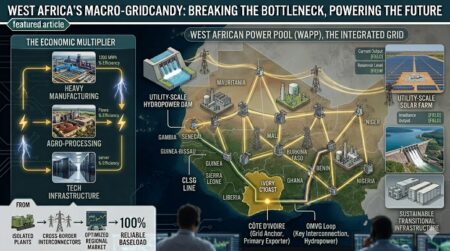
Nigeria’s leadership in renewable energy is expected to influence regional collaboration through initiatives like the West African Power Pool (WAPP) and the African Green Infrastructure Investment Bank (AfGIIB).
The government’s partnerships with pan-African financiers, startups, and research institutions could help harmonize energy standards and accelerate the continent’s clean-power integration. As Africa works to meet Agenda 2063 targets, Nigeria’s success in mobilizing $435 million in just one forum underscores the continent’s readiness to turn policy commitments into real investments.
Looking Ahead
The Nigeria renewable energy investment 2025 initiative highlights a clear message: Africa’s largest economy is moving beyond planning and toward implementation. The deals represent a shift from fragmented projects to coordinated investment pipelines capable of delivering national-scale impact.
As Nigeria mobilizes public and private resources for its clean-energy future, its progress could set a precedent for other nations seeking to align industrial growth with sustainability. The country’s next challenge lies in execution — ensuring that each dollar invested translates into power for people, jobs for youth, and resilience for the economy.
🔗 Related reading:
-
Renewable Energy in Senegal: Powering Growth Beyond Fossil Fuels
-
Renewable Energy in Ethiopia: Powering Growth Beyond the Nile
-
Lusaka Declaration 2025: How Africa’s Parliament is Legislating AI and Data Sovereignty
Stay Ahead of the Market Subscribe to our newsletter for the latest insights on African infrastructure and industrial policy.