

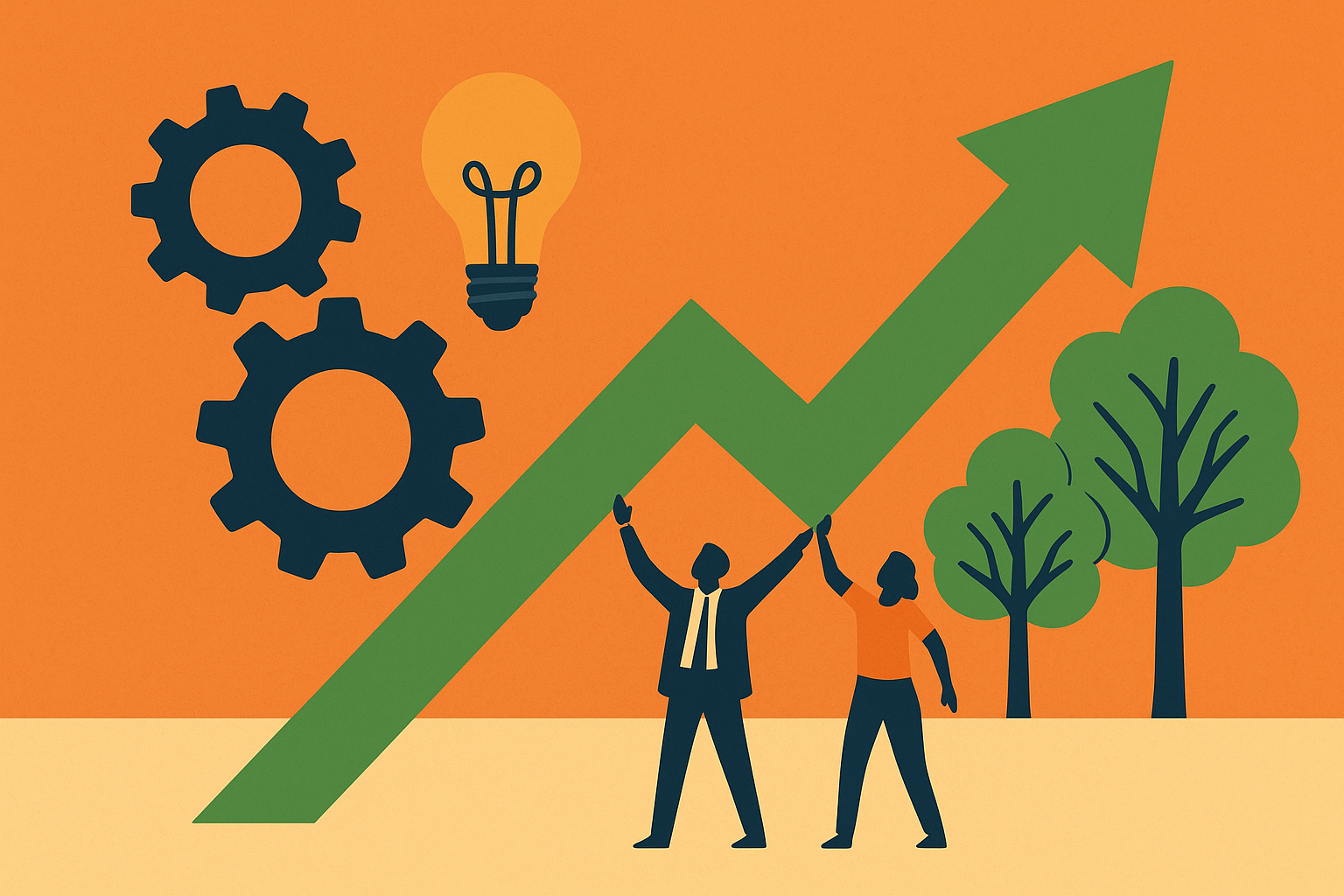
When we think about economic growth, we often focus on rising GDP. However, GDP alone doesn’t capture what truly drives a thriving economy — one that benefits everyone. True growth is not just about producing more goods and services; it’s about building a sustainable, inclusive economy that improves people’s lives.
In this article, we’ll explore what really grows the economy, highlighting the key drivers — employment, wages, investment, and productivity — and the smart policies that help nations, including those across Africa and the diaspora, achieve real prosperity rather than statistical growth.
⚙️ 1. The True Drivers of Economic Growth
1.1 Hiring More People
One of the most direct ways to grow the economy is to create more jobs. When people are employed, they earn income, which they spend on goods and services. That spending fuels demand, leading to increased production and more job creation — a virtuous cycle of growth.
Real-World Example: After the 2008 financial crisis, the U.S. economy rebounded as unemployment fell. Millions of people re-entered the workforce, driving spending and accelerating recovery.
1.2 Raising Wages
Employment alone isn’t enough — wages must reflect the real value of labor. Rising wages increase purchasing power, stimulate demand, and boost business revenues. As people earn more, they spend more, creating a multiplier effect that drives sustained growth.
Real-World Example: Denmark, with one of Europe’s highest average wages, has a thriving economy rooted in strong consumer spending and productivity. High wages have supported both economic stability and innovation.
1.3 Increasing Productivity
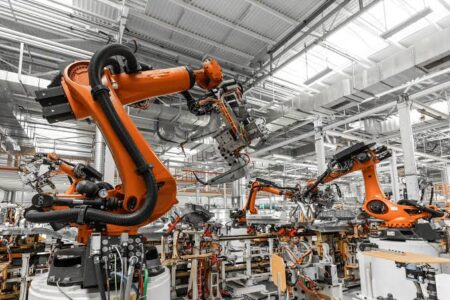
Productivity — the output produced per hour of work — is one of the most powerful long-term drivers of growth. When workers and firms become more efficient, economies can expand without simply adding more labor or resources.
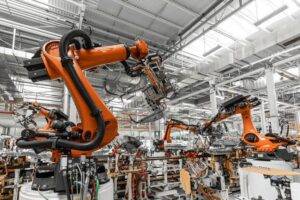
Real-World Example: Germany’s manufacturing sector is a global productivity leader. By investing in technology and worker training, Germany has maintained steady growth even with a modest labor force increase.
1.4 Investing in Innovation and Infrastructure
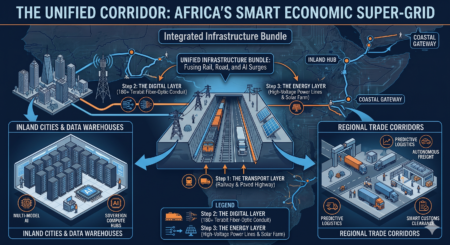
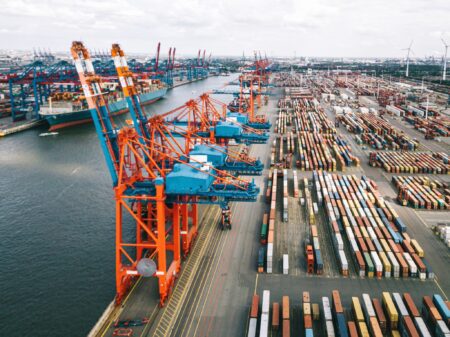
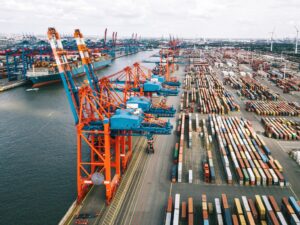
Investment fuels the future. Research and development (R&D) lead to innovation, while infrastructure investment supports every part of the economy. Roads, ports, power grids, and broadband networks enable trade, reduce costs, and connect people to opportunity.
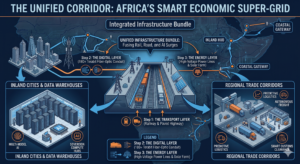
Real-World Example: China’s large-scale infrastructure programs — from high-speed rail to smart cities — have powered decades of economic expansion and job creation. Similar strategies are now emerging across Africa through initiatives like the African Union’s PIDA projects and Afreximbank infrastructure programs.
🧭 2. How Smart Policies Foster Real Growth
2.1 Creating a Business-Friendly Environment
Governments play a vital role in growth by supporting entrepreneurship and ensuring fair competition. Transparent regulations, efficient licensing, and access to credit help small businesses expand — especially across Africa’s growing digital economy.
Real-World Example: Singapore’s pro-business model — combining low taxes with strong education and innovation policies — turned it into one of the world’s most competitive economies. African economies like Rwanda and Mauritius are adopting similar frameworks.
2.2 Supporting Education and Skills Development
A productive workforce starts with education and technical skills. Nations that invest in people see stronger innovation, productivity, and competitiveness.
Real-World Example: South Korea’s investment in education and technical training transformed it into a high-tech global powerhouse. Likewise, African countries expanding TVET (Technical and Vocational Education and Training) programs are strengthening their labor markets and attracting diaspora talent.
2.3 Fostering Inclusive Growth
Inclusive growth ensures that prosperity reaches everyone — not just the wealthy few. Governments can reduce inequality through fair taxation, social programs, and universal access to healthcare and education.
Real-World Example: Norway’s high wages, progressive taxes, and social protections have built one of the world’s most inclusive economies. Its model proves that equity and growth can reinforce each other.
2.4 Green Investments for Sustainable Growth
Sustainability is the next frontier of growth. Green investments in renewable energy, sustainable agriculture, and circular economies create jobs while protecting the planet.
Real-World Example: Germany’s Energiewende (energy transition) demonstrates how climate-conscious policies can create new industries. Across Africa, nations like Morocco and Kenya are following suit — building renewable energy hubs that attract investors, including those from the African diaspora.
🌍 3. People, Productivity, and Purpose Drive Real Growth
True economic growth doesn’t just come from increasing GDP. It comes from empowering people, raising productivity, and investing wisely. Sustainable prosperity depends on inclusive policies that reward innovation, expand opportunity, and balance growth with equity.
For Africa and its global diaspora, this means channeling investment into education, infrastructure, and green innovation — building economies that grow from the ground up and leave no one behind.