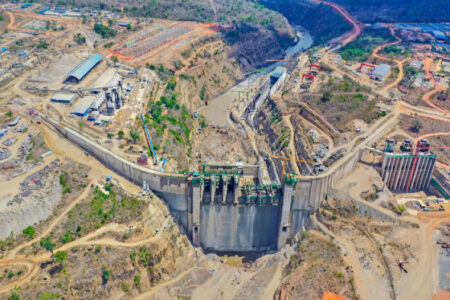


Ethiopia is often called the “water tower of Africa,” with vast hydropower potential anchoring its renewable energy ambitions. The Grand Ethiopian Renaissance Dam (GERD) alone is projected to generate over 6,000 MW, making it Africa’s largest hydropower project. Alongside existing plants like Gibe III and Koka, Ethiopia already derives over 90% of its power from renewable sources, mainly hydro. Yet power reliability remains limited: less than 50% of Ethiopians have grid access, and outages constrain industrial growth. For investors, the most promising renewable energy opportunities in Ethiopia lie in diversifying beyond hydro — into solar, wind, and off-grid solutions — while upgrading transmission and financing models to serve both cities and rural communities.
Why Ethiopia Is a Renewable Powerhouse
- Hydropower Dominance: GERD and other dams give Ethiopia some of Africa’s lowest-cost electricity when fully operational.
- Vast Solar & Wind Resources: Ethiopia’s Rift Valley and eastern lowlands enjoy high solar irradiation and strong, consistent wind speeds (IRENA).
- Government Ambition: Ethiopia aims to become a regional power exporter, already selling electricity to Sudan, Djibouti, and Kenya.
- Industrial Demand: Textile and leather factories in industrial parks like Hawassa need reliable power — a strong anchor for renewable PPAs.
- Donor & Multilateral Backing: World Bank, AfDB, and bilateral donors are heavily financing electrification and off-grid programs.
What Holds Back the Sector
- Overdependence on Hydro
Drought and climate change make Ethiopia vulnerable. Hydropower fluctuations create blackouts and undermine export commitments. - Transmission & Distribution Gaps
Grid expansion lags far behind generation capacity. High technical losses and limited rural penetration persist. - Financing & Currency Risks
Local banks cannot provide long-term project finance; foreign investors face FX shortages and repatriation challenges. - Political & Regional Risk
GERD has inflamed tensions with Egypt and Sudan, while internal instability can slow project execution. - Affordability Challenges
Rural households cannot always afford connection or solar kits without subsidy or credit models.
Where the Opportunities Lie
1. Off-Grid Solar & Mini-Grids
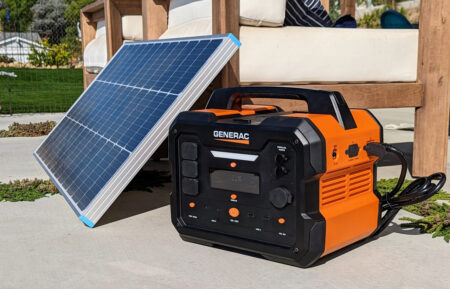
With nearly half the population unconnected, mini-grids and PAYG solar kits represent a massive opportunity. Bundling solar with productive appliances (pumps, milling machines) increases adoption.
2. Wind & Solar Farms
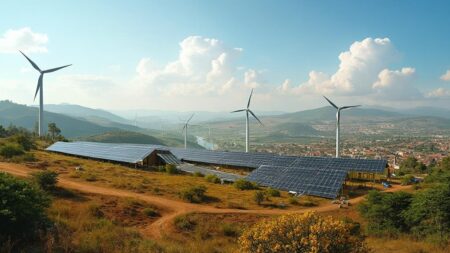
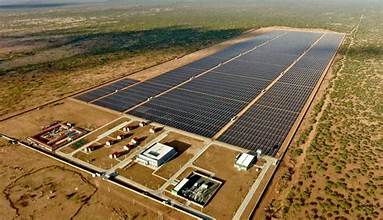
Scaling utility-scale solar and wind reduces reliance on hydro. Eastern Ethiopia (Somali and Afar regions) has some of the best wind resources on the continent.
3. Industrial & Commercial PPAs
Industrial parks (e.g., Hawassa, Bole Lemi) face outages. Independent power producers offering solar or hybrid PPAs for factories can secure long-term, dollar-backed contracts.
4. Transmission & Storage Solutions
Investors in grid infrastructure — substations, high-voltage lines, and storage batteries — can unlock stranded generation and reduce outages.
5. Regional Power Exports
Strengthening interconnectors to Kenya, Sudan, and Djibouti creates stable dollar revenue streams. Long-term export contracts are bankable when supported by multilaterals.
6. Green Hydrogen Pilots
Though early-stage, Ethiopia’s renewable resources and water potential make it a candidate for green hydrogen, especially if linked to regional industrial corridors.
Structuring for Resilience
- Diversify Away from Hydro: Hedge climate risk by balancing solar, wind, and storage.
- Blend Finance: Pair donor/DFI guarantees with diaspora capital for mini-grids and rural electrification.
- Secure Hard-Currency Contracts: Anchor large projects with export PPAs or industrial off-takers paying in dollars.
- Community Partnerships: Rural energy adoption improves when paired with cooperatives and microfinance.
- Invest in Reliability, Not Just Capacity: Back projects that reduce outages and transmission losses, not just flashy new dams.
From Hydro Dependence to Renewable Diversification
Ethiopia’s clean energy story is already impressive — more than 90% renewable on paper. But the reality is that over-reliance on hydro and underinvestment in transmission keep power unreliable and access limited. The promise — vast hydro, solar, wind, and export potential — is enormous. The pain points — climate variability, financing, and infrastructure — define the opportunities.
The most attractive renewable energy investments in Ethiopia are in off-grid solar, utility-scale wind, industrial PPAs, grid modernization, and regional exports. For investors, Ethiopia offers both a massive domestic market and a pathway to become a renewable energy hub for East Africa.