
Ghana has long been a pioneer in clean energy, with hydropower from the Akosombo Dam anchoring its power supply since the 1960s. Today, the country generates around 80–85% of its electricity from renewables, mainly hydro, with solar and biomass gradually expanding. Yet persistent blackouts, rising demand, and underinvestment in transmission expose the gaps between capacity and reliability. For investors, the real opportunity in renewable energy in Ghana lies in distributed solar, mini-grids, industrial power purchase agreements (PPAs), and innovative financing models that bring clean power to households and enterprises alike.
The Promise: Stability and Renewable Potential
- High Renewable Share Already: Ghana is among Africa’s cleanest energy producers, with hydropower as the backbone.
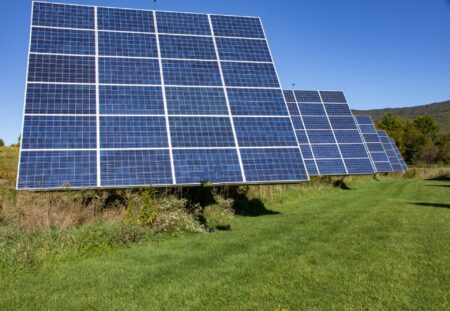
- Solar Irradiation Advantage: The country averages 5.5 kWh/m²/day, making solar highly viable in both northern and southern regions.
- Policy Commitments: Ghana targets 10% renewable penetration (beyond hydro) by 2030, supported by donor-backed financing.
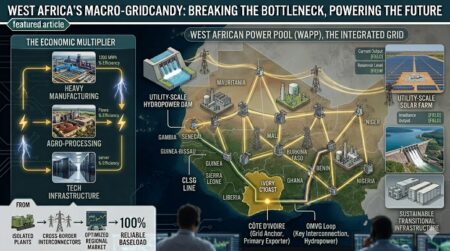
- Regional Demand: As a West African power hub, Ghana can export electricity through the West African Power Pool (WAPP), boosting revenue.
- Growing Urban & Industrial Demand: Rapid growth in Accra, Tema, and Kumasi is fueling demand for reliable, cost-effective energy solutions.
The Pain Points: Why Reliability Lags
- Hydro Dependence: Heavy reliance on Akosombo and Kpong dams makes Ghana vulnerable to rainfall variability and climate shocks.
- Transmission Gaps: Outdated grid infrastructure causes significant technical losses and regional imbalances in power delivery.
- Financing Barriers: Local banks offer limited long-term project finance; renewable projects depend heavily on donor and diaspora funding.
- Tariff and Regulatory Delays: Independent Power Producers (IPPs) face long waits for tariff approvals and contract renegotiations.
- Access Inequality: While national electrification exceeds 85%, many rural communities remain underserved.
The Business Angles: Where Opportunities Lie
1. Industrial & Commercial Solar PPAs
Factories, hospitals, and commercial centers in Accra and Tema face high tariffs and occasional outages. Developers offering long-term PPAs with rooftop or hybrid solar can deliver cost savings and hedge against grid instability.
2. Off-Grid Solar and Mini-Grids
The northern regions offer large-scale potential for donor-supported mini-grids. Pairing solar with battery storage and productive-use appliances (e.g., irrigation pumps, milling machines) drives rural income growth.
3. Diaspora-Financed Solar Projects
With billions in diaspora remittances flowing annually, investment vehicles that allow diaspora to co-finance solar farms or rural electrification schemes offer untapped potential.
4. Battery Storage & Grid Services
As solar capacity expands, storage systems become critical for balancing supply. Grid-scale batteries and distributed storage solutions will unlock more renewable integration.
5. Biomass & Waste-to-Energy
Cocoa husks, palm kernel shells, and municipal waste offer significant biomass energy potential, especially for industrial users seeking renewable baseload power.
The Investor Lens: Structuring for Success
- Blend Finance: Use donor guarantees and climate funds to reduce financing costs for mini-grids and industrial PPAs.
- Anchor Clients: Target C&I clients with stable demand and dollar-linked revenues to mitigate currency risk.
- Bundle Energy + Productivity: Pair rural mini-grids with irrigation, cold storage, or processing to enhance willingness to pay.
- Diversify Technologies: Combine hydro, solar, and biomass to reduce exposure to rainfall variability.
- Engage Diaspora Capital: Offer transparent, co-investment platforms that channel diaspora funds into renewable infrastructure.
Beyond Hydro to a Resilient Energy Mix
Ghana’s clean energy story is impressive but incomplete. Hydropower dominance provides a foundation, yet variability, grid bottlenecks, and financing hurdles limit reliability. For entrepreneurs and investors, the most promising renewable energy opportunities in Ghana are in distributed solar, industrial PPAs, rural mini-grids, storage, and biomass.
The winners will not be those who simply add capacity, but those who design models that improve reliability, integrate productive uses, and channel both donor and diaspora finance into bankable projects. With the right mix, Ghana can power its growth while maintaining its position as one of Africa’s cleanest energy economies.